


-
-
Aluminum Solar Ground Mounting System
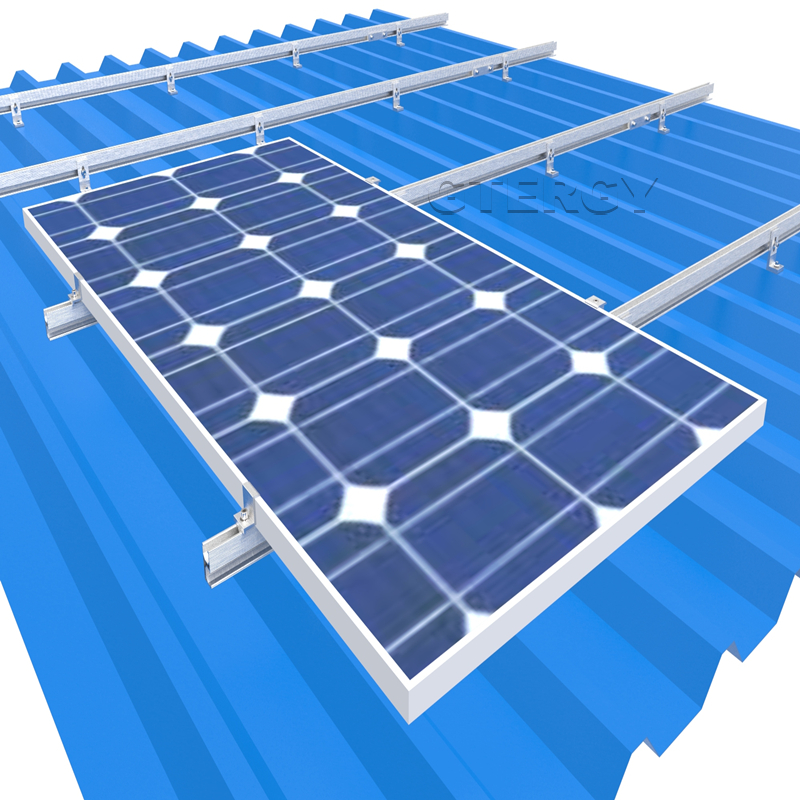
Installing solar panel on a metal roof may be the best option for a solar energy system that can make your initial investment more efficient than you think. It considered to be the most suitable type of roof for installing so
View more
Solar Adjustable Mounting System
GTERGY Solar Panel Adjustable Mounting Systems is applicable for tin rooftop and concrete flat open space mounted. It can connect with aluminum profile or directly fasten it with the solar modules. The adjustable mount kits r
View more
Solar Asphalt Roof Mounting System
GTENGY provide a range of quick install and durable mounting accessories for Pitch Tile Solar Roof Mounting Systems. The primary aim of the system is to seamlessly blend solar technology with the existing roof structure, prov
View more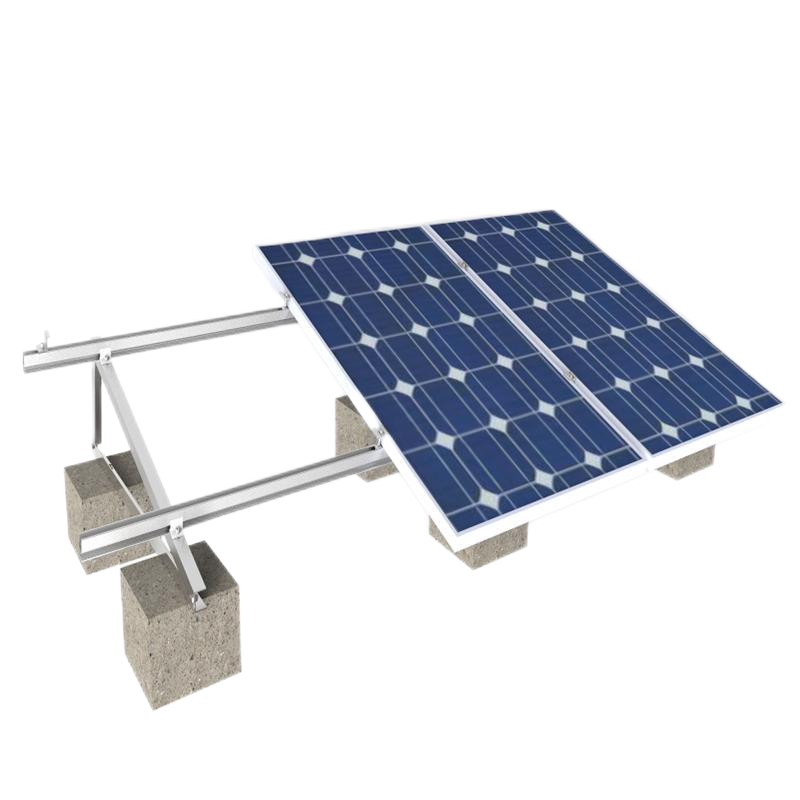
GTERGY Solar Flat Mounting Systems is applicable for concrete flat rooftop or open ground field, it can be divided into 2 kinds of solutions: one is fixed angle, we as per your project angle to custom made; the other is adjus
View more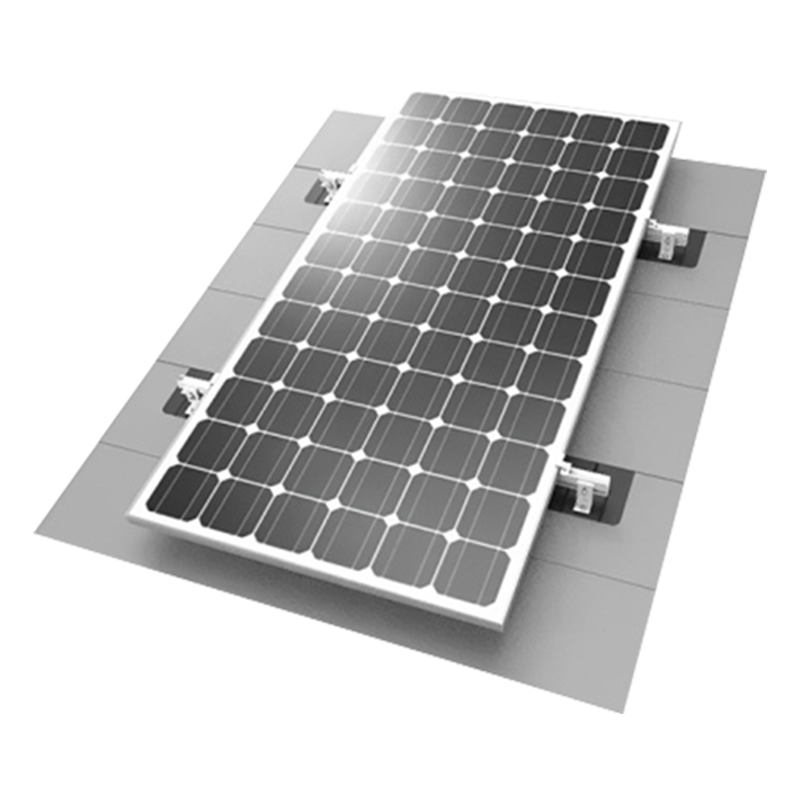
Solar Metal Roof Mounting System
The GTERGY Solar Asphalt Shingle Mounting Systems is design for the asphalt rooftop sheet. Shingle flashing well waterproof and pretend leakage. Simple install, cost effective and durable asphalt roof mount kits popular with
View more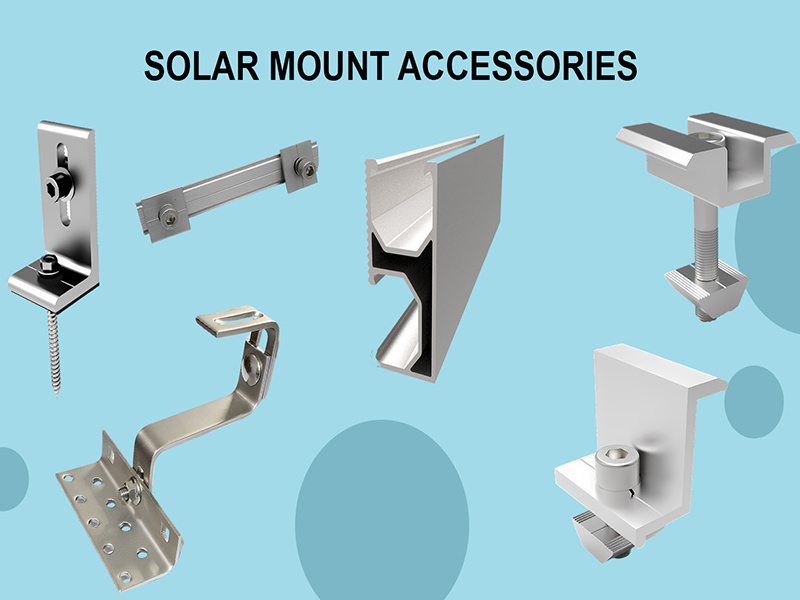
GTERGY offer a serious of Solar Mounting Accessories included solar profiles, solar rail splice, solar panel clamps, solar cable clips, solar grounding management systems clips...etc essential components that complement solar
View more
Solar Tile Roof Mounting System
GTERGY Solar Ground Mounting Bracket is applicable for open field, it can be installed for residential or large commercial scale solar projects. It is designed for quick installation and provide a safe and efficient mounting
View more -

The Ultimate Guide to Efficient PV Rail Mounting Systems
2024-08-22
The Ultimate Guide to Efficient PV Rail Mounting Systems
Table of Contents
- 1. Introduction to PV Rail Mounting Systems
- 2. Importance of Effective Mounting Solutions
- 3. Types of PV Rail Mounting Systems
- 4. Key Components of PV Rail Mounting Systems
- 5. Installation Best Practices for PV Rails
- 6. Maintenance Tips for Longevity
- 7. Common Challenges and Solutions
- 8. Future Innovations in PV Mounting Technology
- 9. Conclusion
- 10. FAQs
1. Introduction to PV Rail Mounting Systems
Photovoltaic (PV) rail mounting systems are integral to the success of solar energy installations. They provide the structural support necessary to hold solar panels in place, ensuring optimal exposure to sunlight while withstanding various environmental conditions. Understanding the nuances of these systems enables solar installers and users to maximize energy production and system longevity.
2. Importance of Effective Mounting Solutions
The effectiveness of a PV system largely depends on the mounting solutions employed. **Quality mounting systems** enhance stability, ensure proper alignment, and facilitate maintenance. By optimizing the installation site and appropriately selecting mounting systems, users can capitalize on solar energy's potential.
Efficient mounting can also reduce installation costs and improve system aesthetics, making it a critical aspect of any solar energy project.
3. Types of PV Rail Mounting Systems
PV rail mounting systems can be categorized into three primary types, each with distinct advantages and applications.
3.1 Fixed Mounting Systems
Fixed mounting systems are the most straightforward and commonly used options. They secure solar panels in a stationary position, usually mounted at a fixed angle that is optimized for the location’s latitude. These systems are cost-effective and easy to install, making them an ideal choice for residential and small commercial installations.
3.2 Adjustable Mounting Systems
Adjustable mounting systems offer flexibility by allowing users to change the angle of the solar panels. This adaptability is beneficial for optimizing energy capture throughout the year, particularly in regions with varying sun exposure. Though slightly more complex and expensive than fixed systems, the energy yield increase can justify the investment.
3.3 Tracking Mounting Systems
Tracking systems are the most advanced type of PV mounting. They automatically adjust the solar panels' orientation throughout the day to follow the sun’s path. This capability can increase energy production by up to 25% compared to fixed systems. However, they require more maintenance and are typically suited for larger installations due to their higher costs.
4. Key Components of PV Rail Mounting Systems
Understanding the components of PV rail mounting systems is essential for selecting the right solution for specific needs. Key components include:
- **Mounting Rails:** These are the primary structural components that support the solar panels. They must be made of durable materials like aluminum or stainless steel to withstand environmental stressors.
- **Clamps:** Clamps secure the solar panels to the mounting rails. They must provide a snug fit to prevent movement during harsh weather conditions.
- **Footings:** Footings anchor the mounting system to the ground or roof. Depending on the installation type, these can be concrete blocks, ground screws, or ballast systems for rooftop installations.
- **Tilt Brackets:** These are used in adjustable or tracking systems to change the angle of the panels for optimal sun exposure.
- **Wiring and Connectors:** Proper wiring ensures effective energy transfer from the solar panels to the inverter and ultimately to the electrical grid or battery storage.
5. Installation Best Practices for PV Rails
Proper installation of PV rail mounting systems is crucial for maximizing performance and durability. Here are some best practices:
- **Site Assessment:** Conduct a thorough assessment of the installation site. Consider factors like roof condition, shading, and surrounding structures.
- **Use Quality Materials:** Invest in high-quality mounting materials that can withstand environmental conditions prevalent in your area.
- **Follow Manufacturer Guidelines:** Always adhere to the manufacturer's instructions for installation to ensure safety and performance.
- **Check for Level and Alignment:** Ensure that all mounting rails are level and properly aligned to avoid uneven panel exposure.
- **Regular Inspections:** Regularly inspect the mounting system for signs of wear, corrosion, or structural issues, especially after severe weather events.
6. Maintenance Tips for Longevity
To ensure the longevity and efficiency of PV rail mounting systems, regular maintenance is crucial. Here are a few maintenance tips:
- **Clean Panels Regularly:** Dust, bird droppings, and debris can accumulate on solar panels, blocking sunlight. Clean the panels periodically for optimal performance.
- **Inspect Mounting Components:** Regularly check the integrity of clamps, rails, and footings. Look for rust, corrosion, or loose connections.
- **Monitor Performance:** Keep track of the energy output of the system. A significant drop in production could indicate a problem with the mounting system or solar panels.
- **Maintain Surrounding Vegetation:** Ensure that trees or shrubs don’t grow to obstruct sunlight from reaching the panels.
7. Common Challenges and Solutions
While PV rail mounting systems are generally reliable, they can present challenges. Here are common issues and their solutions:
- **Corrosion:** Corrosion can undermine the stability of mounting systems. Use non-corrosive materials and consider applying protective coatings.
- **Wind Uplift:** High winds can cause mounting systems to lift. Ensure appropriate anchoring methods are employed based on local wind loads.
- **Snow Accumulation:** Snow can add extra weight to solar panels. Choose a mounting system designed to handle potential snow loads and ensure panels are installed at an angle to facilitate snow sliding off.
8. Future Innovations in PV Mounting Technology
The solar energy industry is rapidly evolving, with innovations continually improving PV rail mounting systems. Emerging trends include:
- **Smart Mounting Systems:** These systems incorporate sensors and IoT technologies to monitor performance and adjust angles for optimal sun exposure automatically.
- **Integrated Solutions:** Some manufacturers are developing all-in-one systems that combine mounting, wiring, and inverters to simplify installation and reduce costs.
- **Sustainability Practices:** Growing emphasis on sustainability is leading to the use of recycled materials in mounting systems, minimizing environmental impact.
9. Conclusion
Efficient PV rail mounting systems play a pivotal role in the performance and longevity of solar energy installations. By understanding the various types of mounting systems, key components, installation best practices, and maintenance tips, users can optimize their solar setups for maximum energy production. As we advance into a more innovative era, staying abreast of emerging technologies will also be vital for enhancing the efficiency and sustainability of solar power solutions.
10. FAQs
What is the most common type of PV mounting system?
The most common type of PV mounting system is the fixed mounting system, which secures panels at a stationary angle.
How do I know which mounting system is right for my installation?
Choosing the right mounting system depends on several factors, including location, budget, and energy production goals. A site assessment is essential.
Can I install PV mounting systems myself?
While DIY installation is possible, professional installation is recommended to ensure safety and compliance with local regulations.
How often should I maintain my PV mounting system?
Regular inspections should be conducted at least twice a year, with additional checks after severe weather events.
What materials are best for PV mounting systems?
Materials like aluminum and stainless steel are preferred for their durability and resistance to corrosion, ensuring long-lasting performance.
By following the recommendations outlined in this guide, users can significantly enhance the efficiency of their PV rail mounting systems, leading to a more productive and reliable solar energy solution.
Related Information
CONTACT US
mail: info@gtergy.com
Tel:86-5926061498
Fax: 86-5926289378
Add: 399 Jinyuan West 2nd Road, Jimei
District, Xiamen, China
Copyright © 2023 Xiamen Greatest Energy Technology Co., Ltd All rights reserved. Powered by www.300.cn
SAF Coolest v1.3 设置面板 ZASSX-ZOWA-AQSDE-ZSS
无数据提示
Sorry, There Is Currently No Content In The Column!
You can view other columns or return to Home