


-
-
Aluminum Solar Ground Mounting System
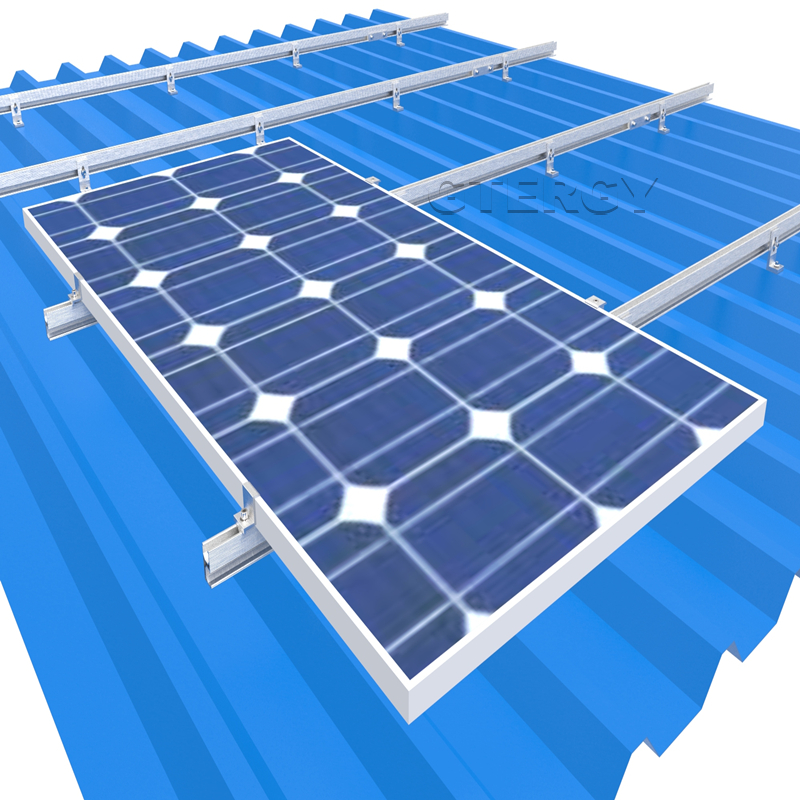
Installing solar panel on a metal roof may be the best option for a solar energy system that can make your initial investment more efficient than you think. It considered to be the most suitable type of roof for installing so
View more
Solar Adjustable Mounting System
GTERGY Solar Panel Adjustable Mounting Systems is applicable for tin rooftop and concrete flat open space mounted. It can connect with aluminum profile or directly fasten it with the solar modules. The adjustable mount kits r
View more
Solar Asphalt Roof Mounting System
GTENGY provide a range of quick install and durable mounting accessories for Pitch Tile Solar Roof Mounting Systems. The primary aim of the system is to seamlessly blend solar technology with the existing roof structure, prov
View more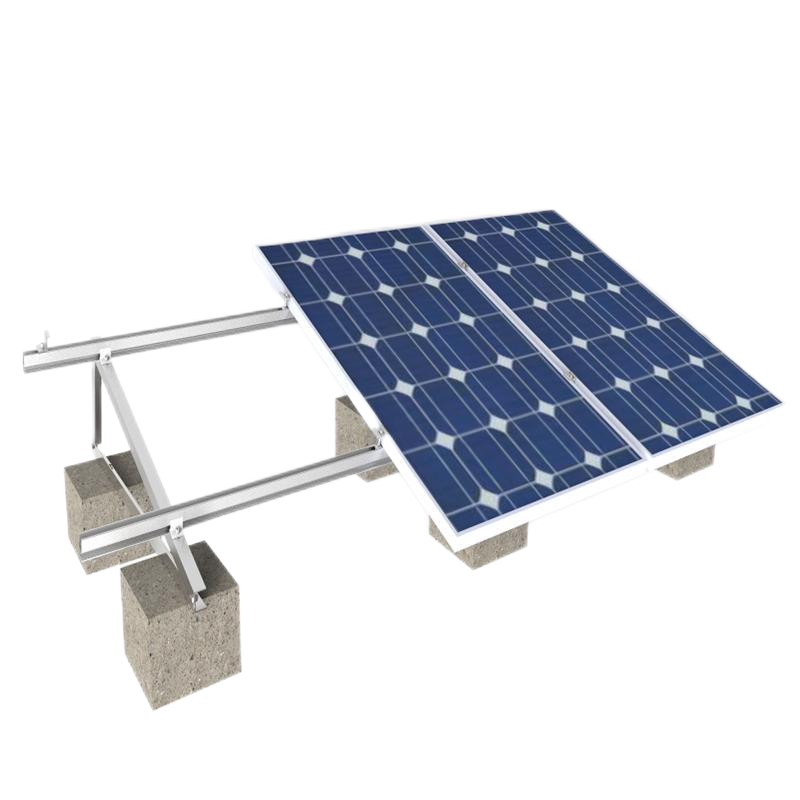
GTERGY Solar Flat Mounting Systems is applicable for concrete flat rooftop or open ground field, it can be divided into 2 kinds of solutions: one is fixed angle, we as per your project angle to custom made; the other is adjus
View more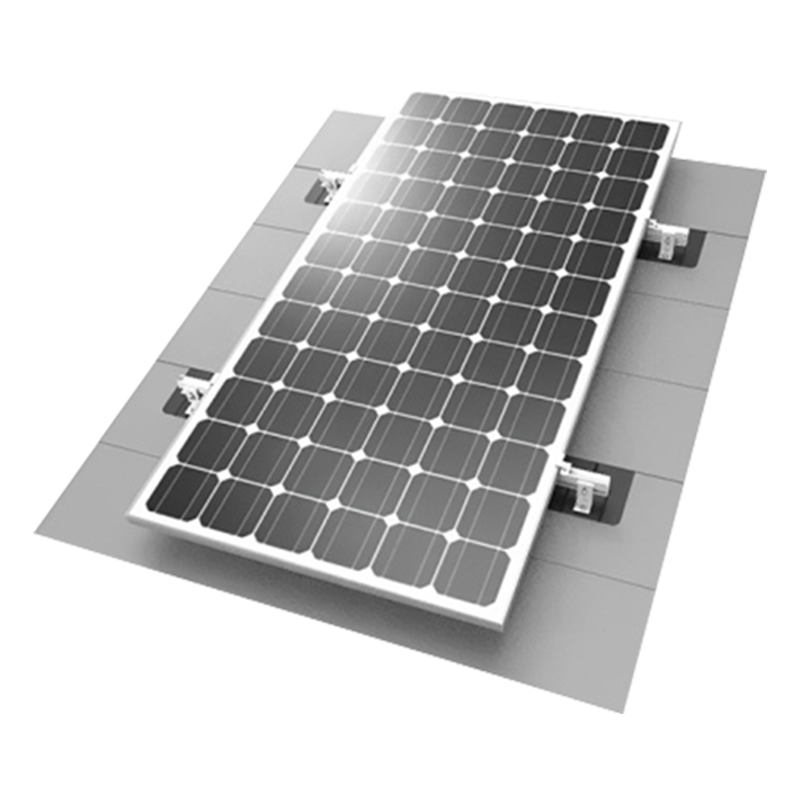
Solar Metal Roof Mounting System
The GTERGY Solar Asphalt Shingle Mounting Systems is design for the asphalt rooftop sheet. Shingle flashing well waterproof and pretend leakage. Simple install, cost effective and durable asphalt roof mount kits popular with
View more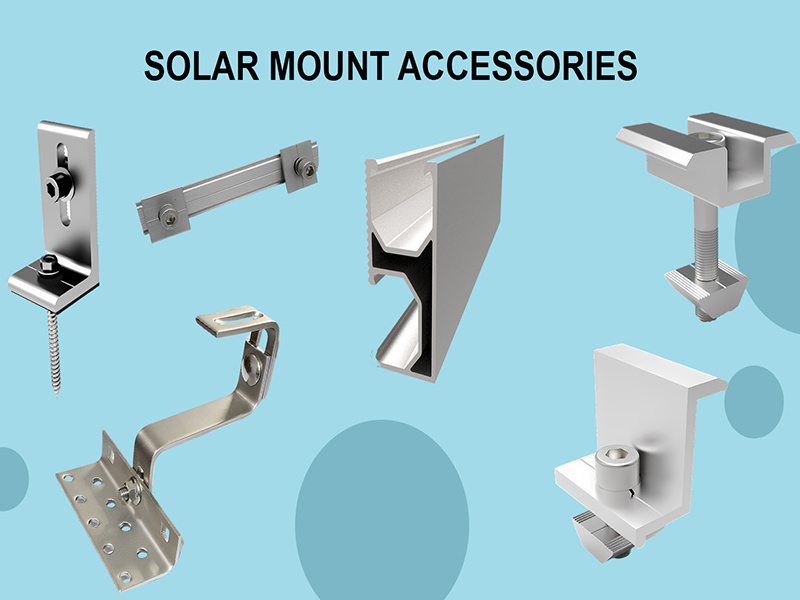
GTERGY offer a serious of Solar Mounting Accessories included solar profiles, solar rail splice, solar panel clamps, solar cable clips, solar grounding management systems clips...etc essential components that complement solar
View more
Solar Tile Roof Mounting System
GTERGY Solar Ground Mounting Bracket is applicable for open field, it can be installed for residential or large commercial scale solar projects. It is designed for quick installation and provide a safe and efficient mounting
View more -

Essential Guide to Choosing the Right Solar Panel Mounting Clamp for Your Machinery
2026-02-25
Essential Guide to Choosing the Right Solar Panel Mounting Clamp for Your Machinery
Table of Contents
- 1. Introduction to Solar Panel Mounting Clamps
- 2. Types of Solar Panel Mounting Clamps
- 3. Material Selection: Finding the Best Fit
- 4. Installation Tips for Solar Panel Mounting Clamps
- 5. Compatibility Issues with Your Machinery
- 6. Cost Considerations: Budgeting for Your Clamps
- 7. Maintenance of Solar Panel Mounting Clamps
- 8. Common Issues and How to Resolve Them
- 9. Conclusion
- 10. Frequently Asked Questions
1. Introduction to Solar Panel Mounting Clamps
When it comes to installing solar panels, the importance of selecting the right mounting clamp cannot be overstated. These clamps not only hold your solar panels in place but also play a crucial role in ensuring their longevity and efficiency. In this guide, we will explore the different aspects of solar panel mounting clamps, helping you make the best decision tailored to your machinery's requirements.
2. Types of Solar Panel Mounting Clamps
Understanding the various types of solar panel mounting clamps is essential for making an informed decision. Generally, there are two main types:
2.1. Fixed Clamps
Fixed clamps are designed to hold solar panels securely in place without allowing for any movement. They are ideal for installations where panels are positioned at a specific angle or in a fixed orientation.
2.2. Adjustable Clamps
Adjustable clamps provide flexibility in positioning solar panels, allowing for angle adjustments. This type is beneficial in instances where sunlight exposure may vary or when adjustments are needed for seasonal changes.
3. Material Selection: Finding the Best Fit
The material of your mounting clamps plays a significant role in their durability and effectiveness. Here are the most commonly used materials:
3.1. Aluminum
Lightweight and corrosion-resistant, aluminum is a popular choice for solar panel clamps. Its ability to endure various weather conditions makes it ideal for both residential and commercial applications.
3.2. Stainless Steel
For those requiring extra strength and resistance to corrosion, stainless steel clamps are the go-to option. They may be slightly heavier than aluminum but offer enhanced longevity.
3.3. Plastic
While not as strong as metal options, plastic clamps can be suitable for specific applications, particularly in lightweight setups or temporary installations.
4. Installation Tips for Solar Panel Mounting Clamps
Proper installation of solar panel mounting clamps is critical for ensuring the security and performance of your solar energy system. Here are some tips:
4.1. Follow Manufacturer Instructions
Always adhere to the instructions provided by the manufacturer. This ensures that you install the clamps correctly, minimizing the risk of future issues.
4.2. Use the Right Tools
Having the appropriate tools on hand can make the installation process smoother. Common tools needed include a wrench, drill, and level.
4.3. Check for Structural Integrity
Before installation, ensure that the surface where you will mount the clamps is structurally sound. This will prevent any failures or accidents in the future.
5. Compatibility Issues with Your Machinery
Not all clamps work well with every type of machinery. It’s crucial to ensure compatibility between your solar panels and the machinery they will be mounted on. Here are a few considerations:
5.1. Know Your Panel Size
Solar panels come in various sizes, and knowing the exact dimensions will help you choose clamps that provide a secure fit.
5.2. Check Mounting Surface
The surface type—be it metal, wood, or concrete—can influence the type of clamps you select. Ensure that your clamps are suitable for the mounting surface.
6. Cost Considerations: Budgeting for Your Clamps
When selecting solar panel mounting clamps, cost is often a determining factor. Here are some insights on budgeting appropriately:
6.1. Quality vs. Price
While it may be tempting to opt for the cheapest option, investing in higher-quality clamps can save you money in the long run by reducing maintenance and replacement costs.
6.2. Bulk Purchase Discounts
If you are outfitting multiple solar panels, consider purchasing clamps in bulk. Many suppliers offer discounts for larger orders, helping you stay within budget.
7. Maintenance of Solar Panel Mounting Clamps
Maintaining your solar panel mounting clamps is vital for ensuring their effectiveness over time. Here’s how to keep them in top condition:
7.1. Regular Inspections
Conduct periodic inspections to check for any signs of wear, rust, or damage. Early detection can prevent more significant issues down the line.
7.2. Cleaning
Keep the clamps clean to ensure they operate effectively. Remove any debris or obstructions that may hinder their performance.
8. Common Issues and How to Resolve Them
Even with proper selection and installation, issues can arise. Here are some common problems and solutions:
8.1. Rust Formation
If you notice rust on your clamps, it may be time for a replacement or a thorough cleaning with appropriate rust removers.
8.2. Loose Clamps
Over time, clamps may become loose. Regular checks and tightenings can prevent this issue, ensuring your panels remain secure.
9. Conclusion
Choosing the right solar panel mounting clamp for your machinery is a crucial step in building an efficient solar energy system. By understanding the types of clamps available, selecting the appropriate materials, and adhering to installation and maintenance guidelines, you can optimize the performance and longevity of your solar panels. With this essential guide at your fingertips, you are now better equipped to make informed decisions that will benefit you for years to come.
10. Frequently Asked Questions
What is the primary function of solar panel mounting clamps?
Solar panel mounting clamps secure panels to their mounting structure, ensuring stability and optimal angle for sunlight exposure.
How do I know which type of clamp is best for my installation?
The best clamp type depends on your panel size, installation surface, and whether you need adjustability.
Can I use plastic clamps for heavy-duty installations?
Plastic clamps are generally not recommended for heavy-duty installations due to their lower strength compared to metal options.
How often should I inspect my solar panel mounting clamps?
It is advisable to inspect your clamps at least twice a year or after severe weather events.
What should I do if I notice rust on my clamps?
If rust is detected, clean the affected areas and consider replacing the clamps if they are significantly corroded.
Related Information
CONTACT US
mail: info@gtergy.com
Tel:86-5926061498
Fax: 86-5926289378
Add: 399 Jinyuan West 2nd Road, Jimei
District, Xiamen, China
Copyright © 2023 Xiamen Greatest Energy Technology Co., Ltd All rights reserved. Powered by www.300.cn
SAF Coolest v1.3 设置面板 ZASSX-ZOWA-AQSDE-ZSS
无数据提示
Sorry, There Is Currently No Content In The Column!
You can view other columns or return to Home