


-
-
Aluminum Solar Ground Mounting System
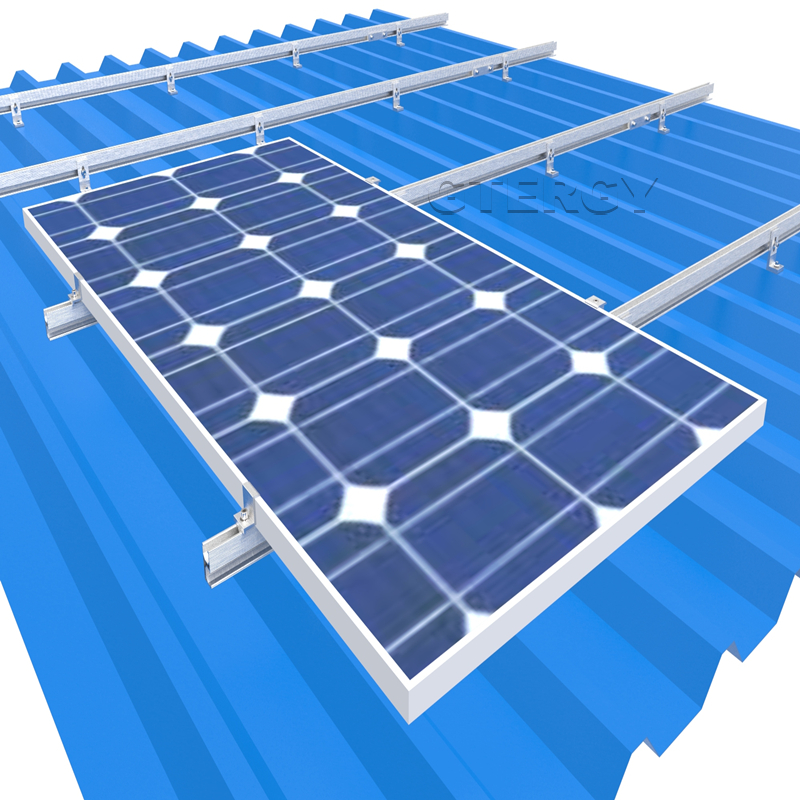
Installing solar panel on a metal roof may be the best option for a solar energy system that can make your initial investment more efficient than you think. It considered to be the most suitable type of roof for installing so
View more
Solar Adjustable Mounting System
GTERGY Solar Panel Adjustable Mounting Systems is applicable for tin rooftop and concrete flat open space mounted. It can connect with aluminum profile or directly fasten it with the solar modules. The adjustable mount kits r
View more
Solar Asphalt Roof Mounting System
GTENGY provide a range of quick install and durable mounting accessories for Pitch Tile Solar Roof Mounting Systems. The primary aim of the system is to seamlessly blend solar technology with the existing roof structure, prov
View more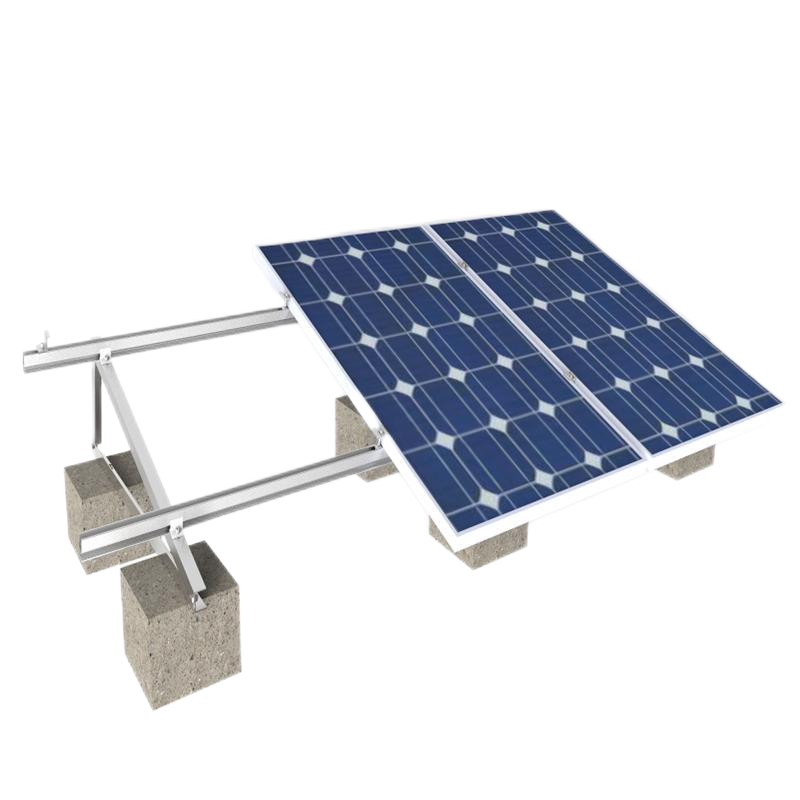
GTERGY Solar Flat Mounting Systems is applicable for concrete flat rooftop or open ground field, it can be divided into 2 kinds of solutions: one is fixed angle, we as per your project angle to custom made; the other is adjus
View more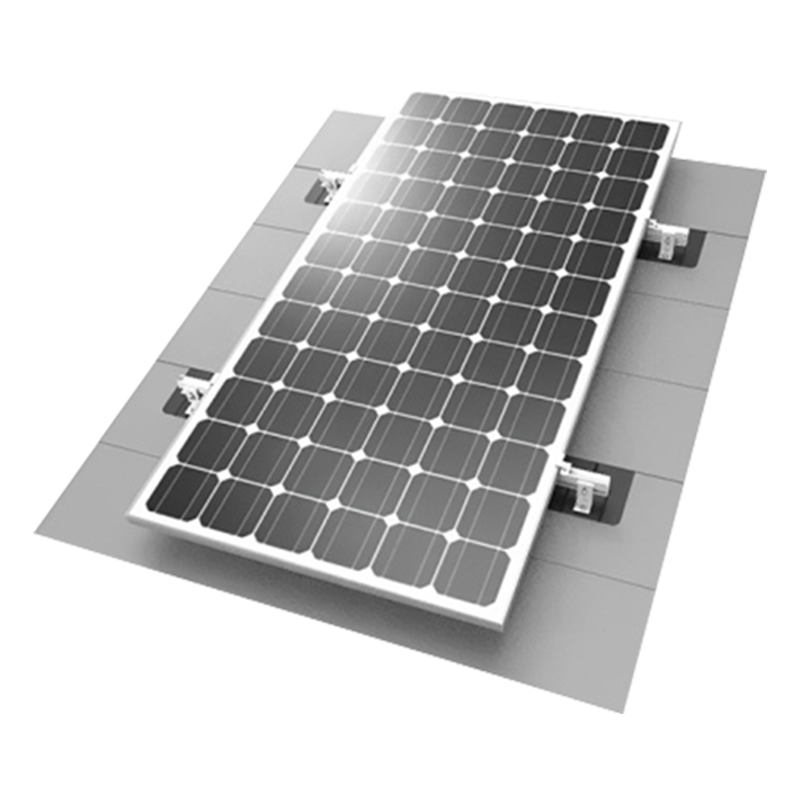
Solar Metal Roof Mounting System
The GTERGY Solar Asphalt Shingle Mounting Systems is design for the asphalt rooftop sheet. Shingle flashing well waterproof and pretend leakage. Simple install, cost effective and durable asphalt roof mount kits popular with
View more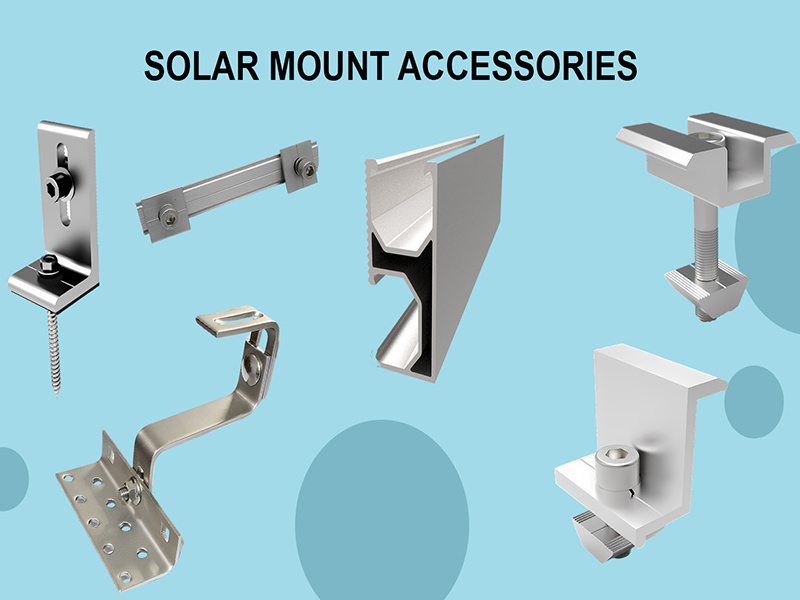
GTERGY offer a serious of Solar Mounting Accessories included solar profiles, solar rail splice, solar panel clamps, solar cable clips, solar grounding management systems clips...etc essential components that complement solar
View more
Solar Tile Roof Mounting System
GTERGY Solar Ground Mounting Bracket is applicable for open field, it can be installed for residential or large commercial scale solar projects. It is designed for quick installation and provide a safe and efficient mounting
View more -

Innovative Solutions: Advantages of Using Solar Panel Clamps in Industrial Settings
2026-02-19
Innovative Solutions: Advantages of Using Solar Panel Clamps in Industrial Settings
Table of Contents
- 1. Introduction to Solar Panel Clamps
- 2. Understanding Solar Panel Clamps
- 3. Key Benefits of Using Solar Panel Clamps in Industries
- 3.1 Enhanced Durability and Longevity
- 3.2 Cost-Effectiveness in Installation
- 3.3 Improved Safety in Industrial Settings
- 3.4 Aesthetics and Adaptability
- 4. Types of Solar Panel Clamps for Industrial Use
- 5. The Installation Process of Solar Panel Clamps
- 6. Case Studies: Successful Implementation in Various Industries
- 7. Future Trends in Solar Panel Clamping Technology
- 8. Conclusion
- 9. Frequently Asked Questions (FAQs)
1. Introduction to Solar Panel Clamps
As the world increasingly embraces renewable energy sources, solar energy has emerged as a frontrunner in sustainable power generation. Solar panel clamps play a pivotal role in this transition, providing essential support and stability to solar panels installed in various industrial settings. Understanding the advantages of these clamps is crucial for industries looking to optimize their solar energy solutions.
2. Understanding Solar Panel Clamps
Solar panel clamps are devices that secure solar panels to mounting systems, ensuring that they remain stable and properly aligned under various environmental conditions. These clamps come in various designs and materials, each tailored to meet specific installation requirements and environmental challenges. By effectively holding solar panels in place, these clamps not only enhance performance but also ensure safety and longevity.
3. Key Benefits of Using Solar Panel Clamps in Industries
Incorporating solar panel clamps into industrial solar installations offers numerous benefits that can significantly impact operational efficiency and long-term sustainability.
3.1 Enhanced Durability and Longevity
One of the standout features of high-quality solar panel clamps is their durability. Made from robust materials such as stainless steel and aluminum, these clamps can withstand extreme weather conditions, including high winds, heavy snow, and intense sunlight. By providing a secure attachment for solar panels, they prevent damage caused by environmental factors, resulting in a longer lifespan for both the panels and the mounting system.
3.2 Cost-Effectiveness in Installation
The installation process of solar panel clamps is designed to be efficient, reducing labor time and associated costs. Quick and easy to install, these clamps minimize the need for extensive tools or specialized labor. By streamlining the installation process, industries can save a significant amount on labor costs while ensuring a secure and effective solar panel setup.
3.3 Improved Safety in Industrial Settings
Safety is paramount in industrial settings, and solar panel clamps contribute significantly in this area. By securely fastening solar panels, they reduce the risk of panel detachment, which could lead to accidents or equipment damage. Furthermore, well-installed solar panels are less likely to obstruct pathways or create hazards, enhancing overall workplace safety.
3.4 Aesthetics and Adaptability
Modern solar panel clamps come in various designs that can complement the aesthetics of industrial facilities. Their sleek profiles and unobtrusive designs allow for a visually appealing solar installation that does not detract from the overall appearance of the facility. Additionally, many clamps offer adaptability in terms of mounting angles and configurations, making them suitable for diverse applications.
4. Types of Solar Panel Clamps for Industrial Use
Selecting the appropriate type of solar panel clamp is essential for maximizing the efficiency and effectiveness of solar installations. Here are some common types of clamps used in industrial settings:
4.1 Mid Clamps
Mid clamps are used to secure solar panels in place between two adjacent panels. They provide stability and ensure that panels are held tightly together to optimize space and maintain an aesthetically pleasing layout.
4.2 End Clamps
End clamps are designed to secure the outer edges of solar panels. They play a crucial role in preventing lateral movement and ensuring that panels remain aligned, even under high wind conditions.
4.3 Ground Mount Clamps
These clamps are specifically designed for solar installations on ground-mounted systems. They are built to withstand the elements and maintain the integrity of solar arrays in various terrains.
5. The Installation Process of Solar Panel Clamps
The installation of solar panel clamps involves several key steps to ensure that the setup is secure and effective.
1. **Preparation**: Before installation, it is essential to assess the mounting structure and ensure that all necessary materials are available.
2. **Positioning Panels**: Solar panels should be positioned according to the planned layout, allowing for optimal sun exposure.
3. **Securing with Clamps**: Mid clamps are installed first between panels, followed by end clamps at the edges. Each clamp should be tightened according to manufacturer specifications to ensure stability.
4. **Final Inspection**: After installation, a thorough inspection should be conducted to check for any loose fittings or misalignments.
6. Case Studies: Successful Implementation in Various Industries
Examining real-world applications of solar panel clamps can provide valuable insights into their benefits.
**Case Study: Manufacturing Facility**
A leading manufacturing company implemented a large-scale solar panel system on its rooftop. By using high-quality solar panel clamps, they observed a 20% increase in energy efficiency and significant savings on energy costs. The durability of the clamps also ensured that the system required minimal maintenance.
**Case Study: Agricultural Sector**
An agricultural business installed solar panels on its land using ground mount clamps. The robust design of these clamps allowed the solar array to endure harsh weather conditions, resulting in uninterrupted energy production and a sustainable power source for the farm's operations.
7. Future Trends in Solar Panel Clamping Technology
As technology continues to evolve, so does the design and functionality of solar panel clamps. Emerging trends include:
- **Smart Clamping Systems**: Integrating sensors into clamps to provide real-time monitoring of panel stability and performance.
- **Eco-Friendly Materials**: The development of clamps made from sustainable materials to further reduce the environmental impact of solar installations.
- **Modular Designs**: Creating clamps that allow for easy expansion or modification of solar installations, accommodating changing energy needs in the future.
8. Conclusion
Incorporating solar panel clamps into industrial solar installations offers a myriad of advantages, including enhanced durability, cost-effectiveness, safety, and aesthetic appeal. As industries continue to adopt renewable energy solutions, understanding the pivotal role of these clamps becomes increasingly important. By choosing the right solar panel clamps, businesses can secure their investments, optimize energy efficiency, and contribute to a sustainable future.
9. Frequently Asked Questions (FAQs)
1. What materials are solar panel clamps typically made from?
Solar panel clamps are commonly made from materials like stainless steel and aluminum, which provide durability and resistance to corrosion.
2. How do I choose the right type of solar panel clamp for my installation?
Choosing the right clamp depends on your specific installation type (roof-mounted, ground-mounted) and the layout of your solar panels. It’s essential to consult with a professional to determine the best option.
3. Can solar panel clamps affect the efficiency of my solar system?
Properly installed solar panel clamps do not affect the efficiency of the solar system. In fact, they help maintain optimal panel alignment, which is crucial for energy production.
4. How often should I inspect solar panel clamps after installation?
Regular inspections are recommended, especially after severe weather events. Checking clamps at least once a year can help identify any potential issues before they become serious.
5. Are there any specific regulations regarding solar panel installations in industrial settings?
Yes, regulations may vary by location and industry. It is crucial to check local building codes and safety standards when planning a solar panel installation.
Related Information
CONTACT US
mail: info@gtergy.com
Tel:86-5926061498
Fax: 86-5926289378
Add: 399 Jinyuan West 2nd Road, Jimei
District, Xiamen, China
Copyright © 2023 Xiamen Greatest Energy Technology Co., Ltd All rights reserved. Powered by www.300.cn
SAF Coolest v1.3 设置面板 ZASSX-ZOWA-AQSDE-ZSS
无数据提示
Sorry, There Is Currently No Content In The Column!
You can view other columns or return to Home