


-
-
Aluminum Solar Ground Mounting System
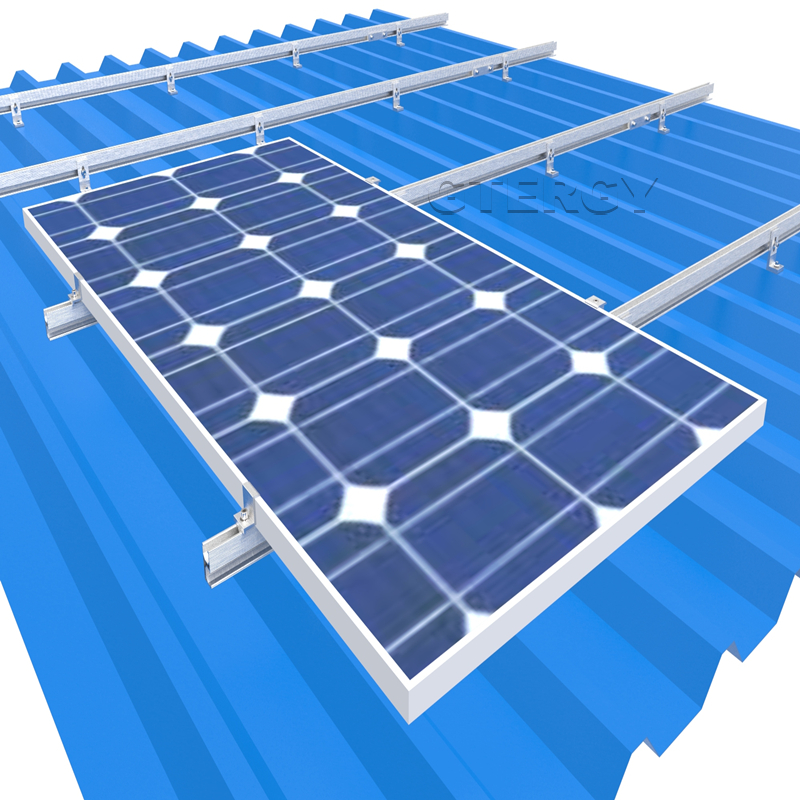
Installing solar panel on a metal roof may be the best option for a solar energy system that can make your initial investment more efficient than you think. It considered to be the most suitable type of roof for installing so
View more
Solar Adjustable Mounting System
GTERGY Solar Panel Adjustable Mounting Systems is applicable for tin rooftop and concrete flat open space mounted. It can connect with aluminum profile or directly fasten it with the solar modules. The adjustable mount kits r
View more
Solar Asphalt Roof Mounting System
GTENGY provide a range of quick install and durable mounting accessories for Pitch Tile Solar Roof Mounting Systems. The primary aim of the system is to seamlessly blend solar technology with the existing roof structure, prov
View more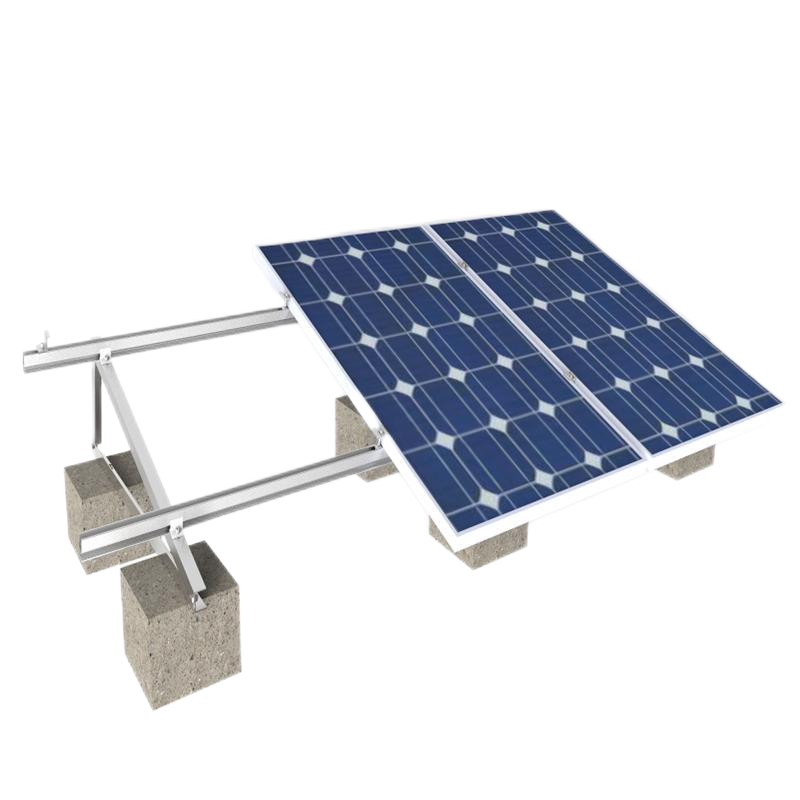
GTERGY Solar Flat Mounting Systems is applicable for concrete flat rooftop or open ground field, it can be divided into 2 kinds of solutions: one is fixed angle, we as per your project angle to custom made; the other is adjus
View more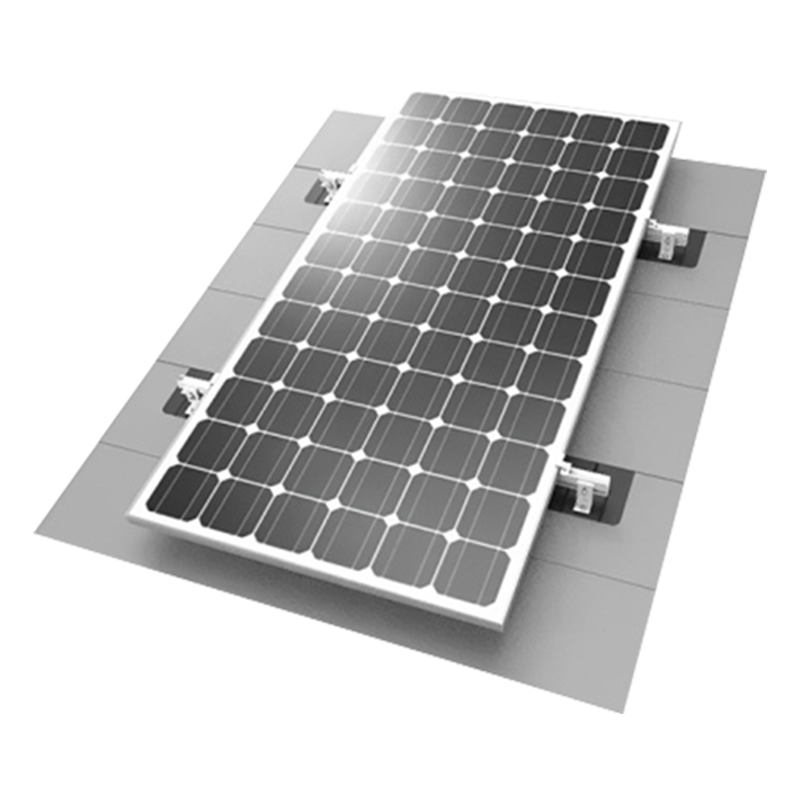
Solar Metal Roof Mounting System
The GTERGY Solar Asphalt Shingle Mounting Systems is design for the asphalt rooftop sheet. Shingle flashing well waterproof and pretend leakage. Simple install, cost effective and durable asphalt roof mount kits popular with
View more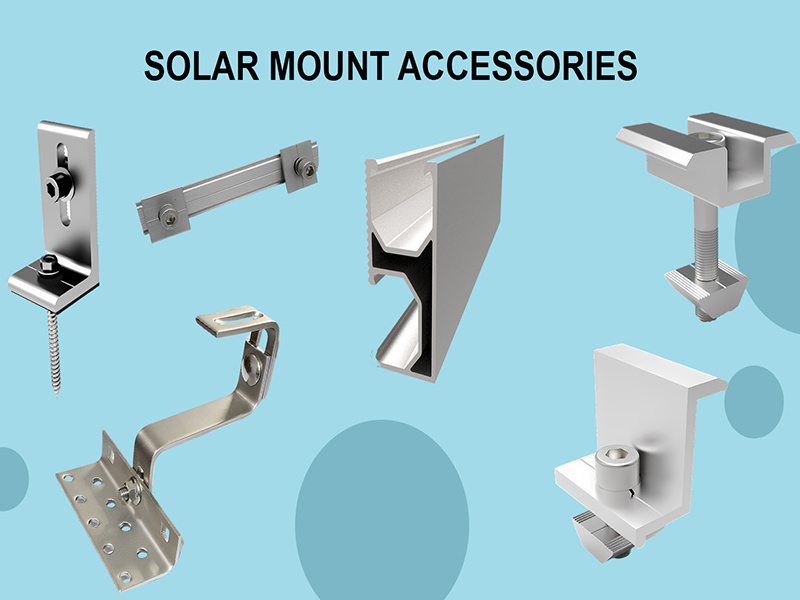
GTERGY offer a serious of Solar Mounting Accessories included solar profiles, solar rail splice, solar panel clamps, solar cable clips, solar grounding management systems clips...etc essential components that complement solar
View more
Solar Tile Roof Mounting System
GTERGY Solar Ground Mounting Bracket is applicable for open field, it can be installed for residential or large commercial scale solar projects. It is designed for quick installation and provide a safe and efficient mounting
View more -
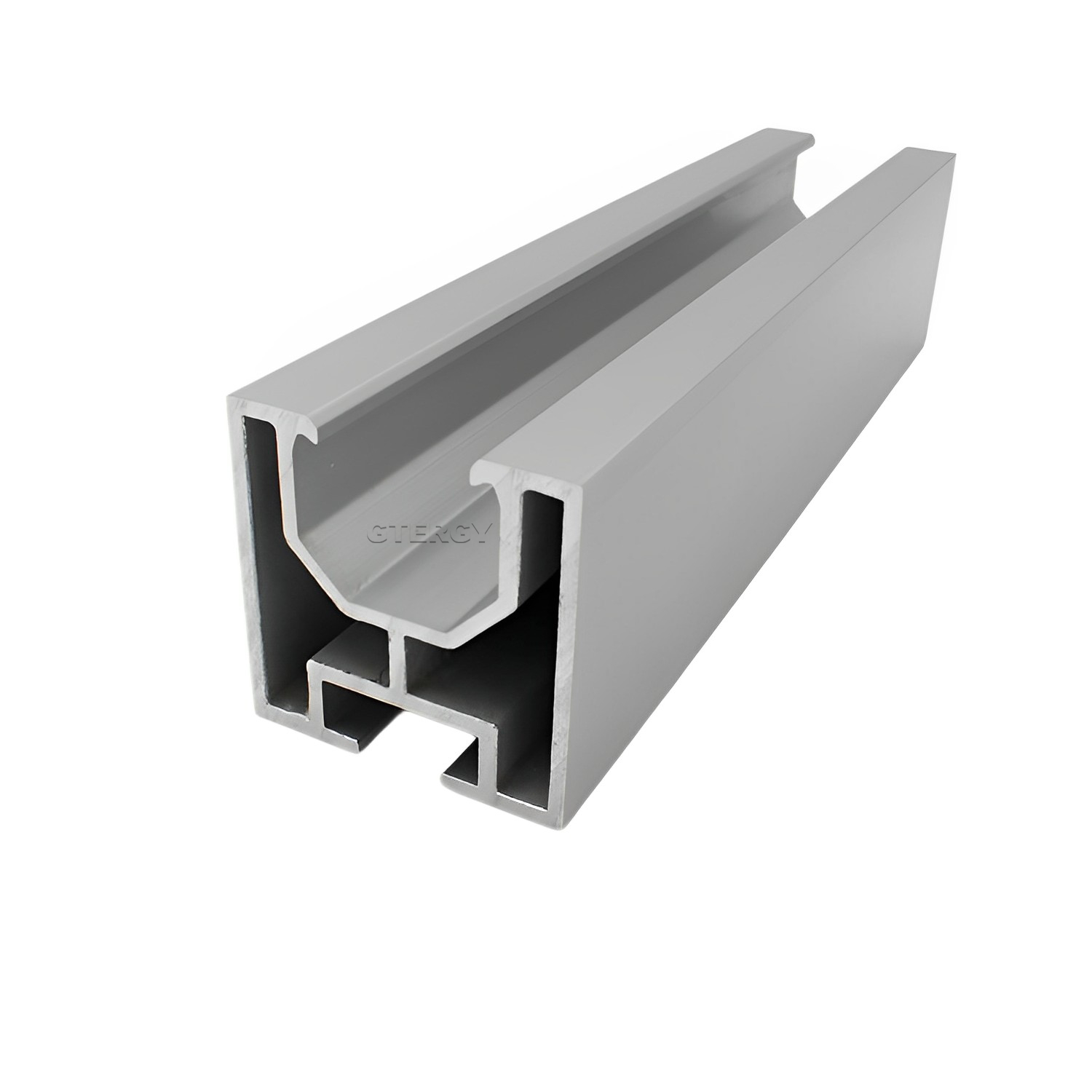
Understanding the Importance of Solar Panel Aluminium Rails in Photovoltaic Mounting Systems
2024-08-27
Another critical attribute of aluminium is its resistance to corrosion. Unlike other materials, aluminium does not rust, which is particularly beneficial in various environmental conditions. This property extends the lifespan of solar mounting systems, ensuring that they maintain their structural integrity and aesthetic appearance over time. The durability of aluminium rails means that they require less maintenance, allowing for a more hassle-free operation of solar energy systems.
Moreover, aluminium is a highly recyclable material, making it an environmentally friendly choice for solar panel mounting systems. The use of recycled aluminium can also contribute to lower energy consumption during the manufacturing process, aligning with the sustainability goals inherent in solar energy adoption. This characteristic appeals to environmentally conscious consumers and businesses looking to minimize their ecological footprint.
In the context of installation, solar panel aluminium rails are designed for flexibility and adaptability. They can be easily customized to fit different solar panel sizes and configurations, allowing for a wide range of applications. This adaptability is crucial for installations in diverse environments, from residential rooftops to large-scale solar farms.
Furthermore, the integration of solar panel aluminium rails with various mounting systems enhances the overall efficiency of solar installations. By providing an optimal angle and orientation for solar panels, these rails help maximize sunlight exposure, leading to increased energy production. This focus on efficiency not only benefits users in terms of energy generation but also contributes to the broader goal of enhancing the viability of solar power as a primary energy source.
In conclusion, solar panel aluminium rails are an integral component of photovoltaic mounting systems, offering a combination of lightweight strength, corrosion resistance, recyclability, and adaptability. As the demand for renewable energy sources continues to grow, understanding the importance of these materials will be essential for professionals in the industry, ensuring the development of effective and sustainable solar energy solutions. By prioritizing quality materials like aluminium in solar installations, stakeholders can contribute to the long-term success and reliability of solar energy projects.
Related Information
CONTACT US
mail: info@gtergy.com
Tel:86-5926061498
Fax: 86-5926289378
Add: 399 Jinyuan West 2nd Road, Jimei
District, Xiamen, China
Copyright © 2023 Xiamen Greatest Energy Technology Co., Ltd All rights reserved. Powered by www.300.cn
SAF Coolest v1.3 设置面板 ZASSX-ZOWA-AQSDE-ZSS
无数据提示
Sorry, There Is Currently No Content In The Column!
You can view other columns or return to Home