


-
-
Aluminum Solar Ground Mounting System
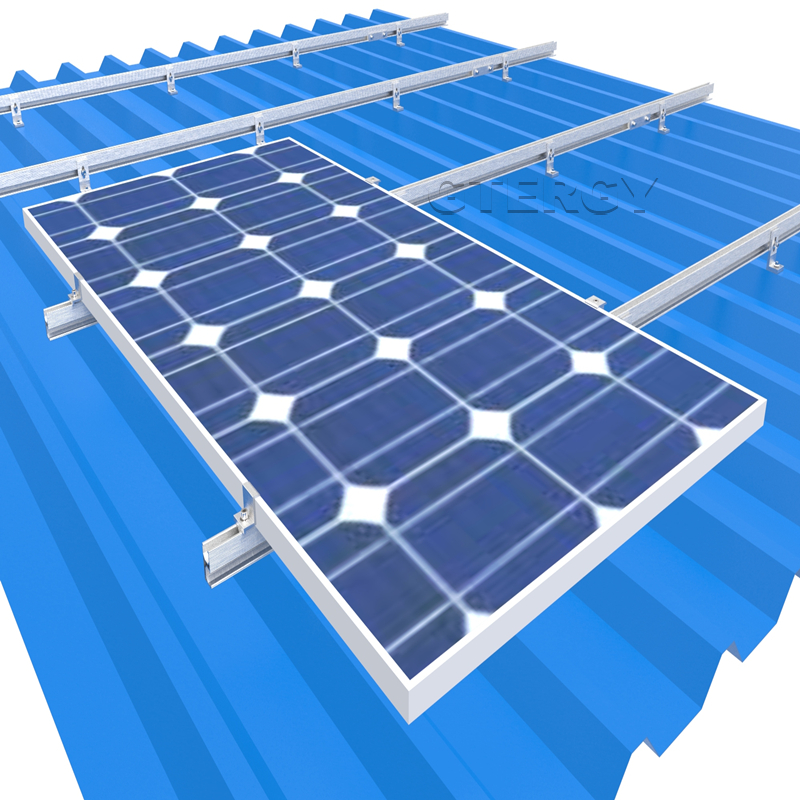
Installing solar panel on a metal roof may be the best option for a solar energy system that can make your initial investment more efficient than you think. It considered to be the most suitable type of roof for installing so
View more
Solar Adjustable Mounting System
GTERGY Solar Panel Adjustable Mounting Systems is applicable for tin rooftop and concrete flat open space mounted. It can connect with aluminum profile or directly fasten it with the solar modules. The adjustable mount kits r
View more
Solar Asphalt Roof Mounting System
GTENGY provide a range of quick install and durable mounting accessories for Pitch Tile Solar Roof Mounting Systems. The primary aim of the system is to seamlessly blend solar technology with the existing roof structure, prov
View more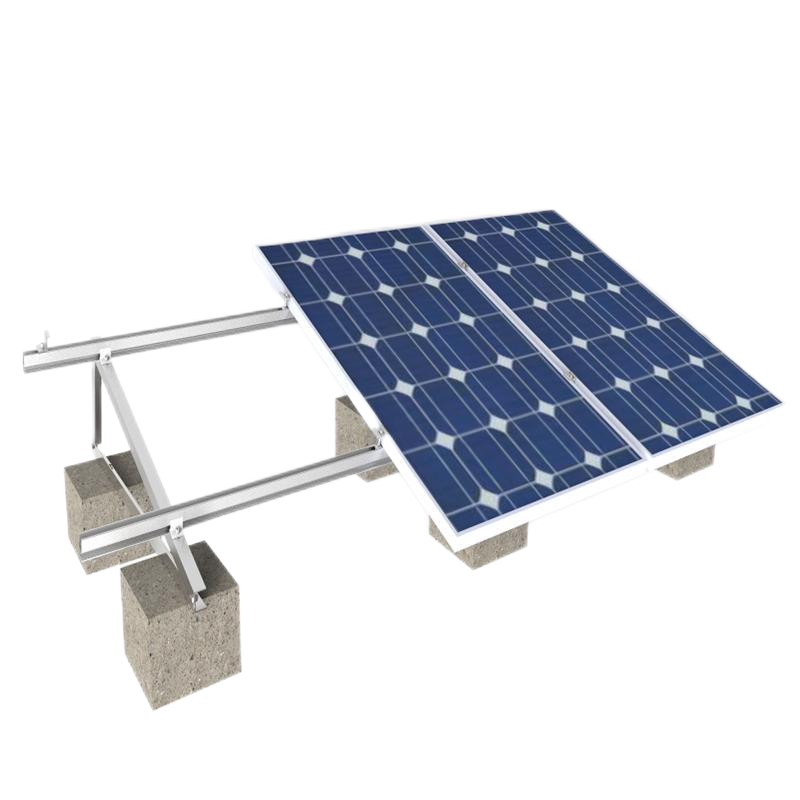
GTERGY Solar Flat Mounting Systems is applicable for concrete flat rooftop or open ground field, it can be divided into 2 kinds of solutions: one is fixed angle, we as per your project angle to custom made; the other is adjus
View more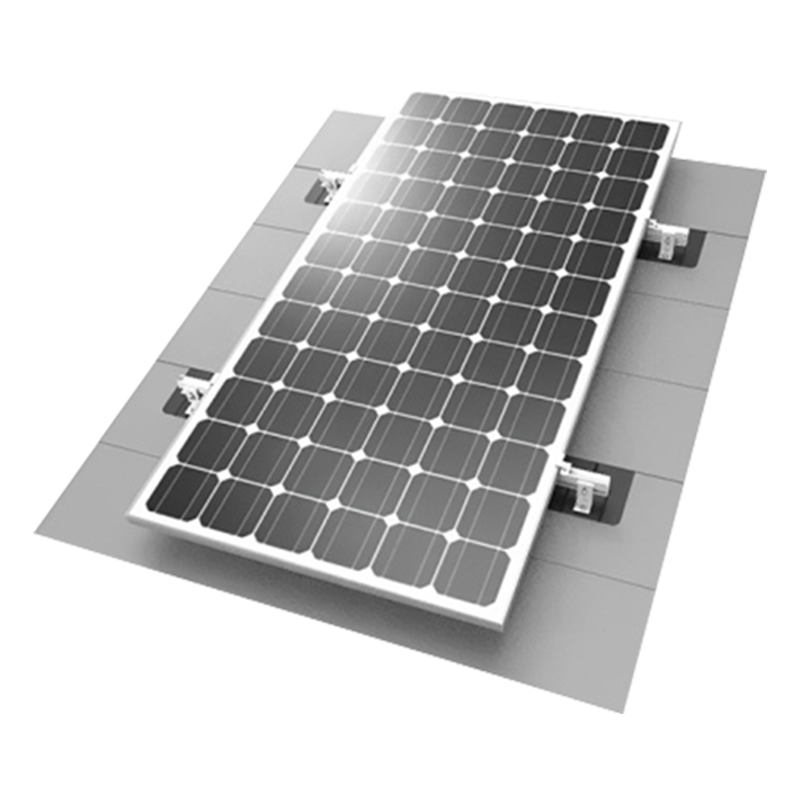
Solar Metal Roof Mounting System
The GTERGY Solar Asphalt Shingle Mounting Systems is design for the asphalt rooftop sheet. Shingle flashing well waterproof and pretend leakage. Simple install, cost effective and durable asphalt roof mount kits popular with
View more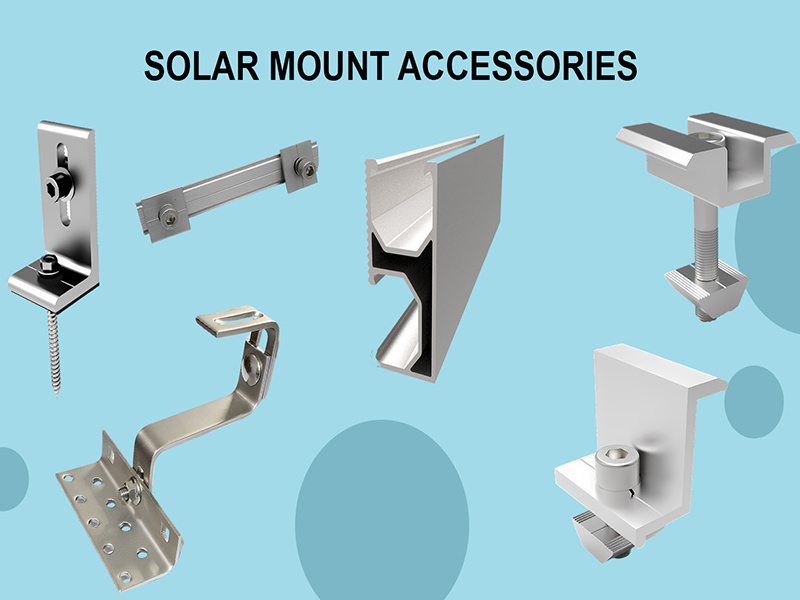
GTERGY offer a serious of Solar Mounting Accessories included solar profiles, solar rail splice, solar panel clamps, solar cable clips, solar grounding management systems clips...etc essential components that complement solar
View more
Solar Tile Roof Mounting System
GTERGY Solar Ground Mounting Bracket is applicable for open field, it can be installed for residential or large commercial scale solar projects. It is designed for quick installation and provide a safe and efficient mounting
View more -

Maximizing Solar Efficiency: Top Tips for Properly Installing Solar Panel Clamps
2024-09-21
Maximizing Solar Efficiency: Top Tips for Properly Installing Solar Panel Clamps
As the world shifts towards renewable energy sources, solar energy has emerged as a frontrunner in sustainable solutions. The efficiency of solar panels is paramount to harnessing the sun's energy effectively, and one critical component in this process is the **solar panel clamp**. In this article, we will explore how proper installation of solar panel clamps can significantly impact solar efficiency and longevity.
Table of Contents
- Understanding Solar Panel Clamps
- Importance of Correct Installation
- Types of Solar Panel Clamps
- Preparation for Installation
- Step-by-Step Installation Guide
- Common Mistakes to Avoid
- Maintenance Tips for Solar Clamps
- FAQs
- Conclusion
Understanding Solar Panel Clamps
Solar panel clamps are essential components that secure solar panels to mounting systems, ensuring that they remain stable and aligned. These clamps come in various designs and materials, serving both functional and aesthetic purposes. Understanding the types of clamps available and their specific applications can help in making informed choices that enhance solar system performance.
Importance of Correct Installation
Proper installation of solar panel clamps is vital for maximizing solar efficiency. When clamps are installed incorrectly, it can lead to a host of problems such as:
- Poor alignment of solar panels, resulting in decreased energy capture.
- Increased wear and tear on the panels, leading to early failure.
- Water leakage into the mounting system, risking electrical components.
By ensuring that solar panel clamps are installed correctly, we can significantly enhance the overall performance of solar energy systems.
Types of Solar Panel Clamps
Understanding the various types of solar panel clamps is crucial for installation:
1. Rail-mounted Clamps
These are the most common type of clamps, designed to attach solar panels to horizontal rails. They offer flexibility and ease of installation, making them popular among installers.
2. Direct Mount Clamps
These clamps are mounted directly onto the solar panel frame. They provide a more streamlined appearance and are ideal for installations with limited space.
3. Mid Clamps and End Clamps
Mid clamps are used to secure the panels in between, while end clamps are placed at the edges. Both are essential for ensuring the panels are held firm during adverse weather conditions.
Preparation for Installation
Before beginning the installation of solar panel clamps, proper preparation is essential:
1. Gather Necessary Tools and Materials
Ensure you have all tools and components required for the job, including wrenches, screwdrivers, and the clamps themselves. Having everything on hand will streamline the process.
2. Assess the Installation Site
Conduct a thorough assessment of the roof or ground where the solar panels will be installed. Check for any obstructions, structural integrity, and proper orientation towards the sun.
3. Safety Precautions
Always prioritize safety by wearing appropriate gear and ensuring that the installation area is secure. If working on a roof, use harnesses and ensure that the surface is stable.
Step-by-Step Installation Guide
Follow these steps to install solar panel clamps effectively:
Step 1: Mark the Installation Points
Use a measuring tape to measure and mark where the clamps will be installed. Accurate measurements will prevent misalignment.
Step 2: Attach the Rail System (if applicable)
If you are using rail-mounted clamps, secure the rails to the structure using appropriate fasteners. Ensure that they are level and straight.
Step 3: Install Mid and End Clamps
Once the rails are securely in place, proceed to install mid clamps between the solar panels. Ensure they fit snugly before moving on to the end clamps.
Step 4: Secure Solar Panels
Gently place the solar panels onto the clamps, ensuring they align perfectly with the mounting system. Tighten all clamps evenly to avoid any stress on the panels.
Step 5: Final Inspection
After installation, conduct a thorough inspection to ensure that all clamps are secure and positioned correctly. This step is crucial for ensuring long-term performance.
Common Mistakes to Avoid
As with any installation, common pitfalls can lead to inefficiencies:
1. Skipping Measurements
Failing to measure accurately can lead to misalignment and wasted energy. Always double-check your measurements before proceeding.
2. Over-tightening Clamps
While it's important to secure the clamps, over-tightening can damage the solar panel frames. Follow the manufacturer's guidelines for torque specifications.
3. Neglecting Maintenance
Ignoring regular maintenance checks can lead to unnoticed wear and tear. Schedule periodic inspections to ensure everything remains in top shape.
Maintenance Tips for Solar Clamps
Maintaining solar panel clamps is essential for prolonging their lifespan and efficiency:
1. Regular Inspections
Conduct inspections at least twice a year, looking for signs of corrosion, rust, or loose clamps.
2. Clean the Area
Keep the area around the clamps free of debris. Dirt and leaves can obstruct sunlight and reduce panel efficiency.
3. Address Issues Promptly
If any issues are detected during inspections, address them immediately to prevent further damage.
FAQs
1. How do solar panel clamps work?
Solar panel clamps secure panels to mounting systems, preventing movement and ensuring they are properly aligned to capture sunlight effectively.
2. What materials are used for solar panel clamps?
Solar panel clamps are typically made from aluminum or stainless steel, providing durability and resistance to weathering.
3. Can I install solar panel clamps myself?
Yes, as long as you have the right tools and follow proper installation guidelines. However, it's always recommended to consult a professional if you're unsure.
4. How often should I inspect my solar panel clamps?
It's advisable to conduct inspections at least twice a year to ensure everything is in good condition.
5. What is the lifespan of solar panel clamps?
With proper maintenance, solar panel clamps can last for over 20 years, although this can vary based on environmental conditions.
Conclusion
Proper installation of solar panel clamps is crucial for maximizing solar efficiency and ensuring the longevity of your solar energy system. By understanding the types of clamps, following a thorough installation guide, and avoiding common mistakes, you can enhance the performance of your solar panels. Regular maintenance and inspections further contribute to a reliable and efficient solar setup. By implementing these tips, you not only protect your investment but also play a part in promoting sustainable energy usage.
Related Information
CONTACT US
mail: info@gtergy.com
Tel:86-5926061498
Fax: 86-5926289378
Add: 399 Jinyuan West 2nd Road, Jimei
District, Xiamen, China
Copyright © 2023 Xiamen Greatest Energy Technology Co., Ltd All rights reserved. Powered by www.300.cn
SAF Coolest v1.3 设置面板 ZASSX-ZOWA-AQSDE-ZSS
无数据提示
Sorry, There Is Currently No Content In The Column!
You can view other columns or return to Home