


-
-
Aluminum Solar Ground Mounting System
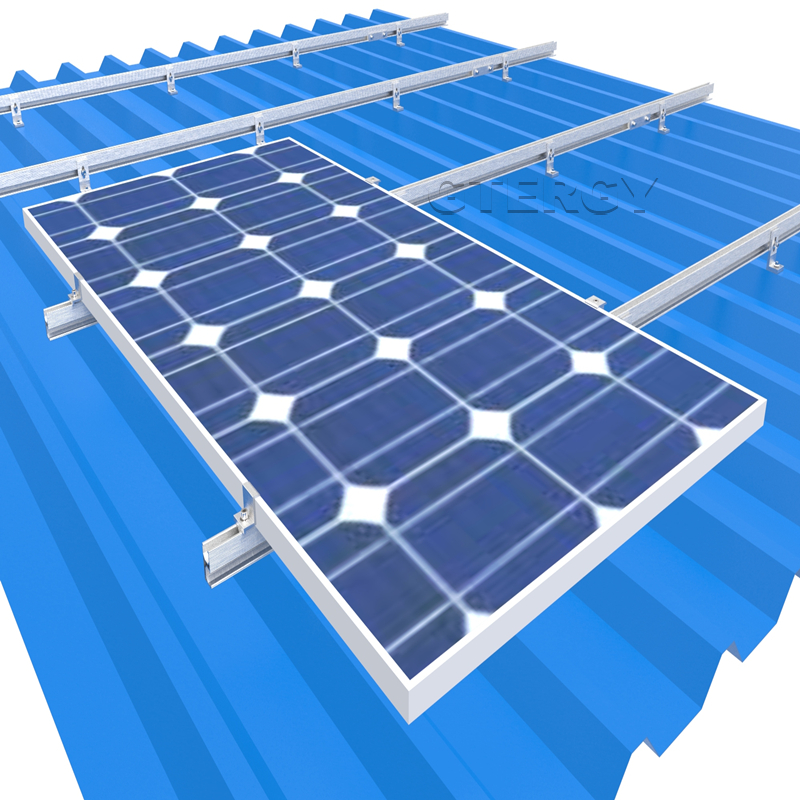
Installing solar panel on a metal roof may be the best option for a solar energy system that can make your initial investment more efficient than you think. It considered to be the most suitable type of roof for installing so
View more
Solar Adjustable Mounting System
GTERGY Solar Panel Adjustable Mounting Systems is applicable for tin rooftop and concrete flat open space mounted. It can connect with aluminum profile or directly fasten it with the solar modules. The adjustable mount kits r
View more
Solar Asphalt Roof Mounting System
GTENGY provide a range of quick install and durable mounting accessories for Pitch Tile Solar Roof Mounting Systems. The primary aim of the system is to seamlessly blend solar technology with the existing roof structure, prov
View more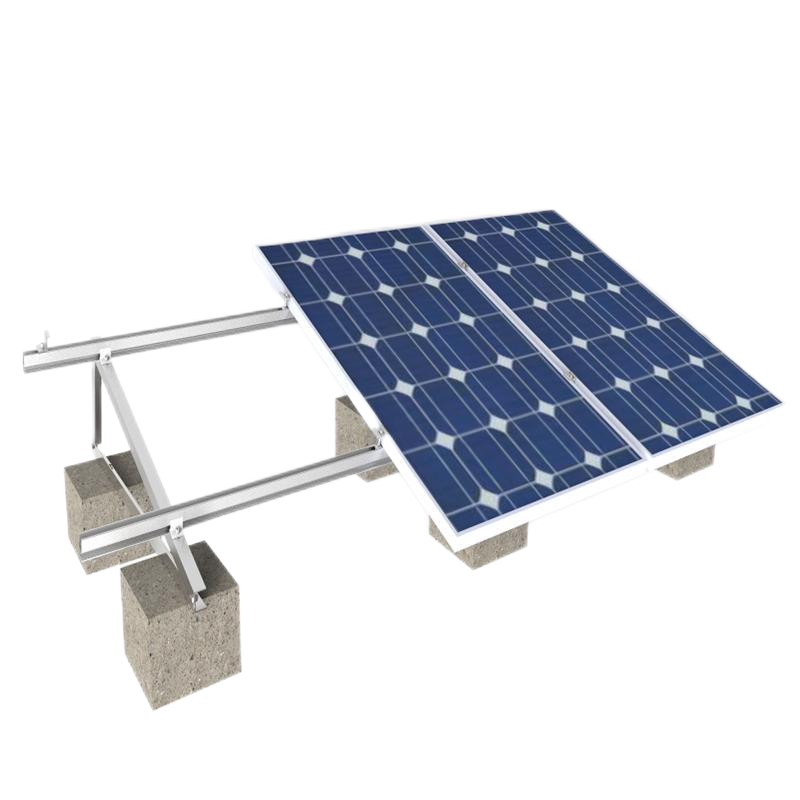
GTERGY Solar Flat Mounting Systems is applicable for concrete flat rooftop or open ground field, it can be divided into 2 kinds of solutions: one is fixed angle, we as per your project angle to custom made; the other is adjus
View more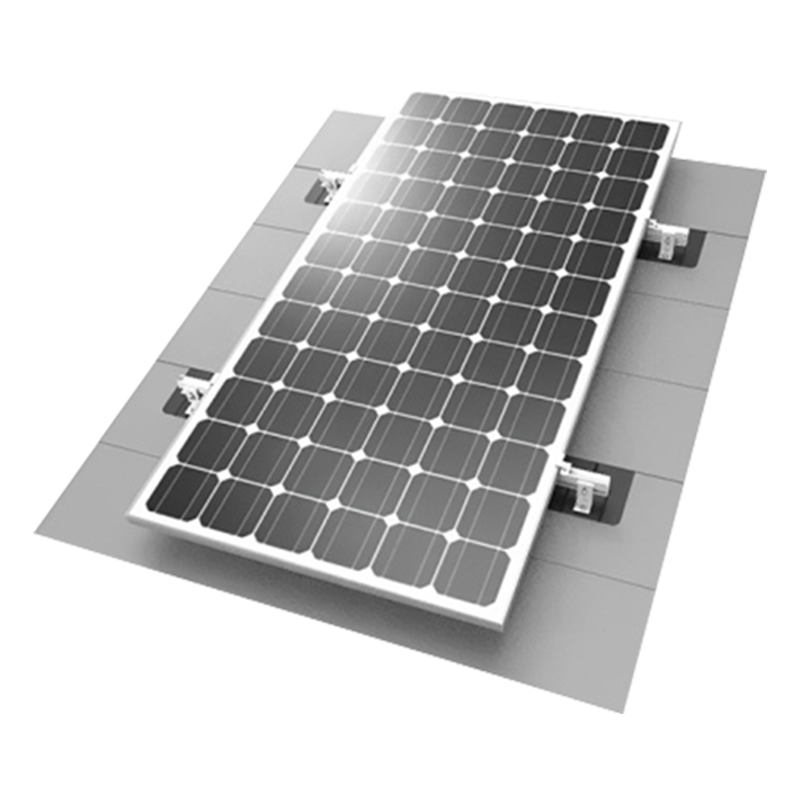
Solar Metal Roof Mounting System
The GTERGY Solar Asphalt Shingle Mounting Systems is design for the asphalt rooftop sheet. Shingle flashing well waterproof and pretend leakage. Simple install, cost effective and durable asphalt roof mount kits popular with
View more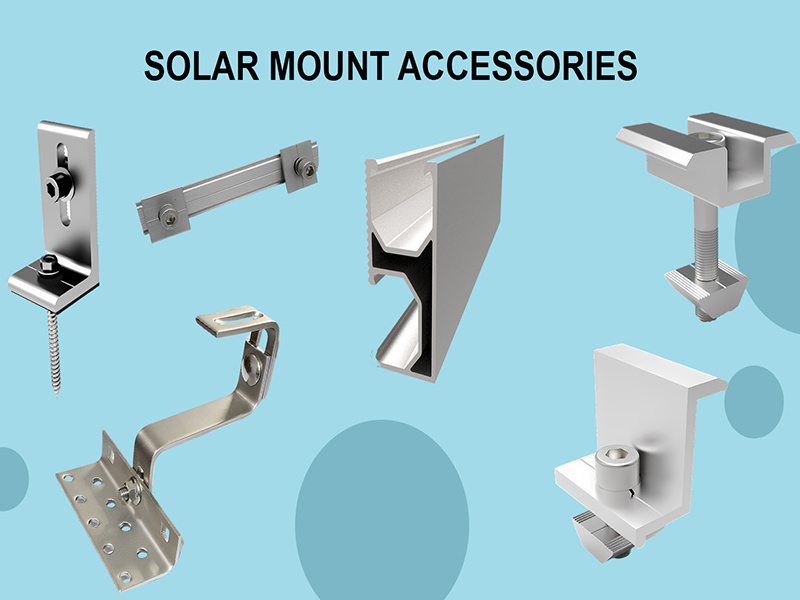
GTERGY offer a serious of Solar Mounting Accessories included solar profiles, solar rail splice, solar panel clamps, solar cable clips, solar grounding management systems clips...etc essential components that complement solar
View more
Solar Tile Roof Mounting System
GTERGY Solar Ground Mounting Bracket is applicable for open field, it can be installed for residential or large commercial scale solar projects. It is designed for quick installation and provide a safe and efficient mounting
View more -

Innovative Solutions for Securely Mounting Solar Panels: A Comprehensive Guide
2024-10-21
Innovative Solutions for Securely Mounting Solar Panels
Table of Contents
- 1. Introduction to Solar Panel Mounting Solutions
- 2. The Importance of Secure Mounting in Solar Energy Systems
- 3. Types of Solar Panel Mounting Systems
- 4. Innovative Materials for Mounting Solar Panels
- 5. Best Practices for Solar Panel Installation
- 6. Safety Standards and Regulations
- 7. Future Trends in Solar Panel Mounting
- 8. Conclusion
- 9. Frequently Asked Questions
1. Introduction to Solar Panel Mounting Solutions
In the realm of renewable energy, **solar power** has emerged as a leading source for sustainable electricity production. The effectiveness of solar panels significantly depends not only on their design and technology but also on how securely they are installed. This article delves into **innovative solutions for securely mounting solar panels**, ensuring that they remain operational and efficient throughout their lifespan.
2. The Importance of Secure Mounting in Solar Energy Systems
Secure mounting is critical for several reasons:
- **Safety**: Properly mounted solar panels minimize the risk of accidents or damage caused by falling panels.
- **Performance**: Secure installations prevent misalignment that can lead to reduced energy production.
- **Durability**: Reliable mounting systems help panels withstand harsh weather conditions, prolonging their lifespan.
Given these factors, investing in high-quality mounting solutions is essential for any solar energy project.
3. Types of Solar Panel Mounting Systems
When selecting a mounting system for solar panels, various options are available, each with its unique benefits and applications.
3.1 Fixed Mounts
Fixed mounts are the most straightforward installation systems. They keep solar panels in a stationary position, typically at a set angle. These mounts are ideal for areas that receive consistent sunlight throughout the day. They are cost-effective and require minimal maintenance.
3.2 Adjustable Mounts
Adjustable mounts allow for slight modifications in the angle of the solar panels. This feature enables users to optimize the orientation of their panels for seasonal variations in sunlight. While these systems may be more expensive than fixed mounts, the increase in energy production can offset the initial cost.
3.3 Tracking Systems
Tracking systems are sophisticated mounts that follow the sun's trajectory throughout the day. These systems can be single-axis or dual-axis, with dual-axis trackers providing the most energy production. Although they require more investment and maintenance, the potential energy gains can be substantial, making them suitable for large-scale solar projects.
4. Innovative Materials for Mounting Solar Panels
The materials used in mounting systems play a crucial role in their effectiveness and durability. Let's explore some of the most innovative materials available today.
4.1 Aluminum Frames
Aluminum has become a popular choice for solar panel frames due to its lightweight, corrosion-resistant properties. It is easy to work with, allowing for various designs and configurations. Additionally, aluminum frames can be recycled, making them an environmentally friendly option.
4.2 Stainless Steel Components
Stainless steel is known for its strength and resistance to rust, making it an ideal choice for fasteners and brackets in solar mounting systems. Its longevity ensures that installations remain secure over time, even under challenging weather conditions.
4.3 Composite Materials
Composite materials combine various substances to create a lightweight and durable option for solar mounting systems. These materials may include fiberglass or reinforced plastics, offering flexibility and strength without the added weight of metal components.
5. Best Practices for Solar Panel Installation
Proper installation is critical for maximizing the performance of solar panel systems. Here are some best practices.
5.1 Site Assessment
Before installation, conducting a thorough site assessment is crucial. Evaluating the location for potential shading, roof condition, and structural integrity can significantly affect the system's performance.
5.2 Proper Alignment and Tilt
Aligning solar panels correctly towards the sun is vital for maximizing energy capture. The optimal tilt angle can vary based on geographic location and should be carefully calculated to ensure efficiency.
5.3 Weather Considerations
Weather patterns can impact solar panel performance. It's essential to consider local conditions, such as wind and snow loads, when designing and selecting mounting systems. This ensures that the solar array can withstand environmental stresses without compromising its integrity.
6. Safety Standards and Regulations
Adhering to safety standards and local regulations is paramount in the installation of solar panels. Familiarizing oneself with the National Electrical Code (NEC) and local building codes ensures compliance and enhances the safety of the installation. Consulting with licensed professionals can provide valuable insights and help navigate the complexities of regulations.
7. Future Trends in Solar Panel Mounting
As solar technology continues to evolve, innovations in mounting systems are also on the rise. Key trends to watch for include:
- **Hybrid Mounting Systems**: Combining different mounting techniques for enhanced flexibility and performance.
- **Smart Mounting Solutions**: Integrating IoT technology to monitor and adjust panel orientation automatically.
- **Sustainable Materials**: Increased use of eco-friendly materials that reduce the carbon footprint of solar installations.
These trends indicate a bright future for solar panel mounting systems, with a focus on efficiency and sustainability.
8. Conclusion
In conclusion, securely mounting solar panels is essential for maximizing their performance and longevity. By understanding the various types of mounts, innovative materials, and best installation practices, we can ensure that solar energy systems operate at their full potential. As technology advances, we can expect to see even more innovative solutions for solar panel mounting that will further enhance the efficiency and reliability of solar energy systems.
9. Frequently Asked Questions
What is the best type of solar panel mounting system?
The best type depends on specific needs, such as available space, budget, and energy goals. Fixed mounts are cost-effective, while tracking systems offer higher energy yields but at a greater cost.
How do I choose the right mounting material?
Choose materials that balance durability and weight. Aluminum is lightweight and corrosion-resistant, while stainless steel offers strength and longevity.
Can I install solar panels myself?
While DIY installation is possible, hiring professionals is recommended. They ensure adherence to safety standards and optimize the installation process.
How often should solar panel mounts be inspected?
Regular inspections, at least once a year, are recommended to check for wear and tear, ensuring that mounts remain secure and function properly.
What are the environmental impacts of solar panel mounting systems?
Most solar mounting materials, like aluminum and stainless steel, are recyclable, minimizing environmental impact. Sustainable practices in installation can further enhance benefits.
Related Information
CONTACT US
mail: info@gtergy.com
Tel:86-5926061498
Fax: 86-5926289378
Add: 399 Jinyuan West 2nd Road, Jimei
District, Xiamen, China
Copyright © 2023 Xiamen Greatest Energy Technology Co., Ltd All rights reserved. Powered by www.300.cn
SAF Coolest v1.3 设置面板 ZASSX-ZOWA-AQSDE-ZSS
无数据提示
Sorry, There Is Currently No Content In The Column!
You can view other columns or return to Home