


-
-
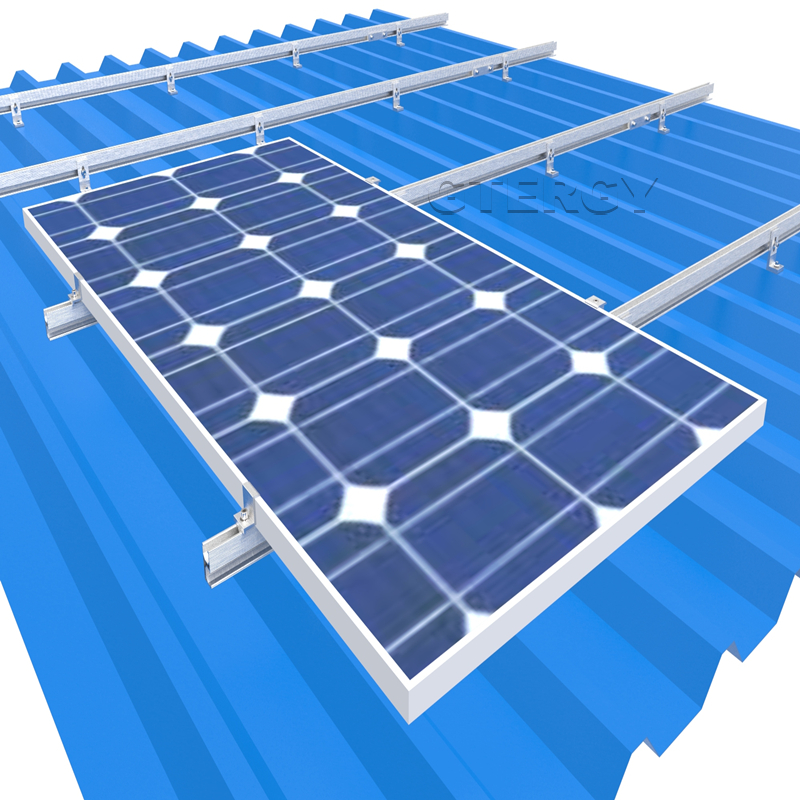
Aluminum Solar Ground Mounting System
Installing solar panel on a metal roof may be the best option for a solar energy system that can make your initial investment more efficient than you think. It considered to be the most suitable type of roof for installing so
View more
Solar Adjustable Mounting System
GTERGY Solar Panel Adjustable Mounting Systems is applicable for tin rooftop and concrete flat open space mounted. It can connect with aluminum profile or directly fasten it with the solar modules. The adjustable mount kits r
View more
Solar Asphalt Roof Mounting System
GTENGY provide a range of quick install and durable mounting accessories for Pitch Tile Solar Roof Mounting Systems. The primary aim of the system is to seamlessly blend solar technology with the existing roof structure, prov
View more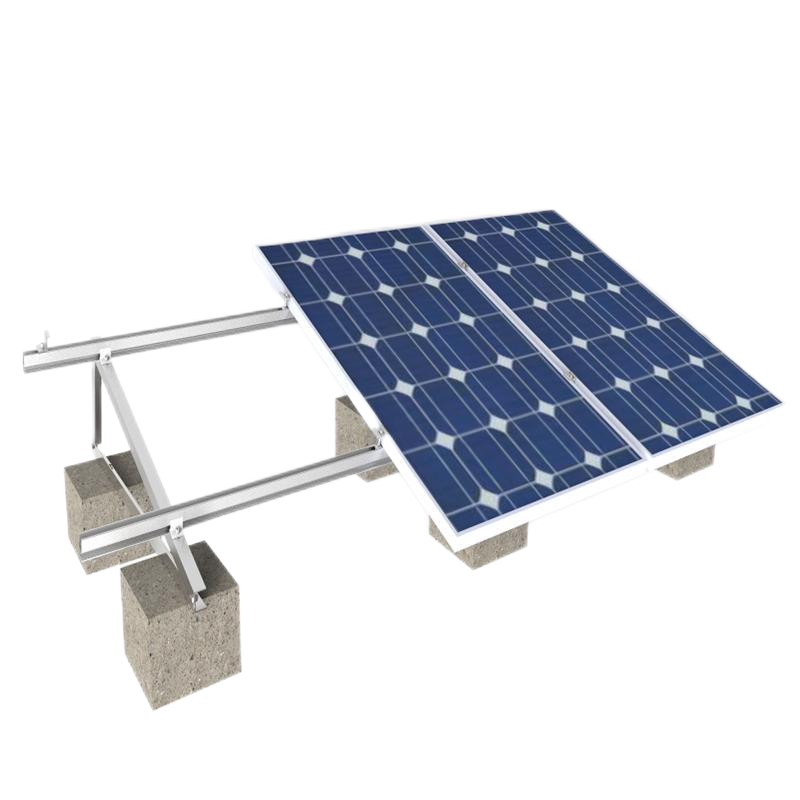
GTERGY Solar Flat Mounting Systems is applicable for concrete flat rooftop or open ground field, it can be divided into 2 kinds of solutions: one is fixed angle, we as per your project angle to custom made; the other is adjus
View more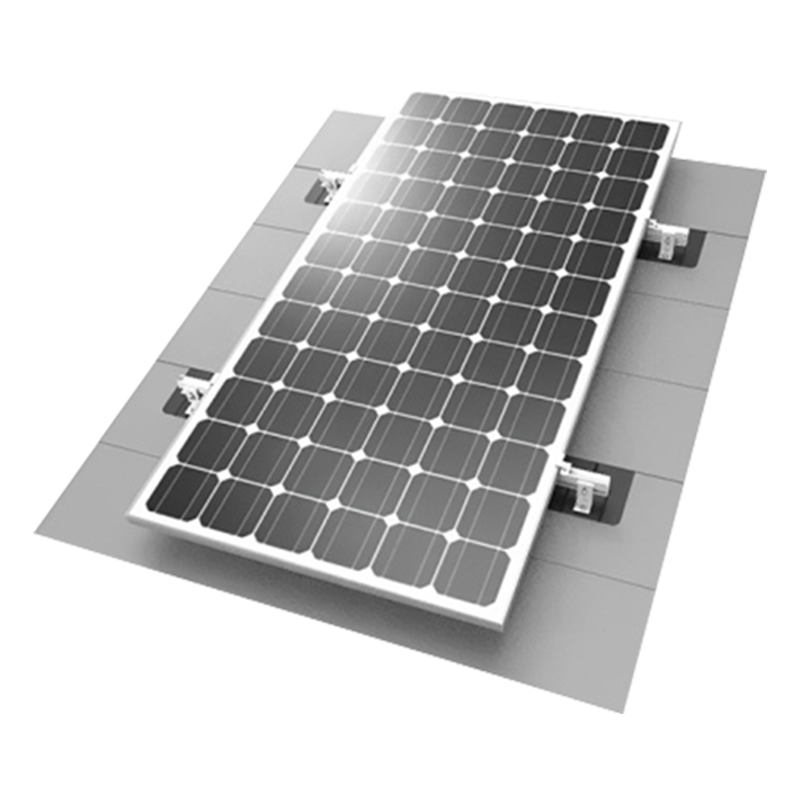
Solar Metal Roof Mounting System
The GTERGY Solar Asphalt Shingle Mounting Systems is design for the asphalt rooftop sheet. Shingle flashing well waterproof and pretend leakage. Simple install, cost effective and durable asphalt roof mount kits popular with
View more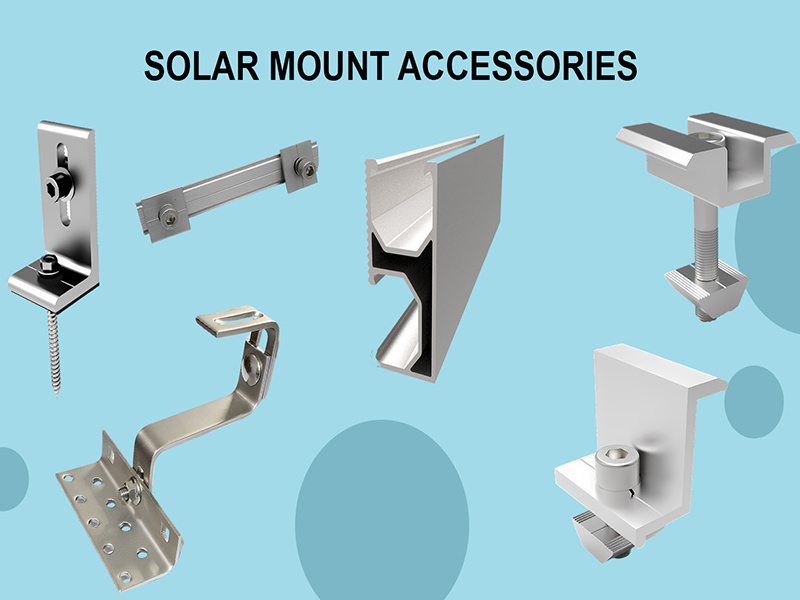
GTERGY offer a serious of Solar Mounting Accessories included solar profiles, solar rail splice, solar panel clamps, solar cable clips, solar grounding management systems clips...etc essential components that complement solar
View more
Solar Tile Roof Mounting System
GTERGY Solar Ground Mounting Bracket is applicable for open field, it can be installed for residential or large commercial scale solar projects. It is designed for quick installation and provide a safe and efficient mounting
View more -

Advancing Industrial Sustainability through Solar Power on Galvanized Grounds
2025-01-20
Advancing Industrial Sustainability through Solar Power on Galvanized Grounds
Table of Contents
- Understanding Industrial Sustainability
- The Importance of Solar Power in Industrial Settings
- What are Galvanized Grounds?
- Benefits of Solar Power on Galvanized Grounds
- Strategies for Implementing Solar Power
- Case Studies: Successful Industrial Applications
- Challenges and Solutions in Solar Implementation
- Future Trends in Industrial Sustainability
- Frequently Asked Questions
- Conclusion
Understanding Industrial Sustainability
Industrial sustainability refers to the ability of industries to operate while minimizing their environmental impact. This involves reducing waste, conserving resources, and utilizing renewable energy sources. As industries evolve, the need for sustainable practices becomes increasingly critical. With growing concerns over climate change and resource depletion, integrating eco-friendly solutions such as solar power into industrial operations can significantly enhance sustainability.
The Importance of Solar Power in Industrial Settings
Solar power is a renewable energy source that harnesses sunlight to generate electricity. Its adoption in industrial settings has surged due to its numerous benefits:
1. **Cost Efficiency**: Solar power can significantly reduce energy costs for industries. By generating their own electricity, companies can lower their reliance on the grid and decrease operational expenses.
2. **Environmental Impact**: Solar energy is clean and reduces greenhouse gas emissions. Transitioning to solar power helps industries lower their carbon footprint.
3. **Energy Independence**: By utilizing solar power, industries can achieve greater energy security. This independence from conventional energy sources mitigates risks associated with energy price volatility.
What are Galvanized Grounds?
Galvanized grounds refer to industrial structures that utilize galvanized steel components. Galvanization is a process that coats steel with zinc to protect it from corrosion, making it durable and long-lasting. These robust structures are ideal for supporting solar panels, especially in industrial settings where reliability is paramount. The combination of solar power and galvanized materials creates a synergistic relationship that enhances sustainability.
Benefits of Solar Power on Galvanized Grounds
Utilizing solar power on galvanized grounds offers several advantages:
1. **Durability and Longevity**: Galvanized structures resist corrosion, leading to extended lifespans for solar panel installations. This longevity reduces the need for frequent replacements, thereby minimizing waste.
2. **Space Efficiency**: Galvanized grounds can be designed to maximize space, allowing for more solar panels to be installed in confined areas. This is particularly beneficial for industries with limited available land.
3. **Enhanced Aesthetics**: The sleek appearance of galvanized steel can complement solar installations, creating visually appealing energy solutions.
4. **Lower Maintenance Costs**: The durability of galvanized materials means that maintenance costs for solar installations can be significantly reduced, allowing companies to focus their resources on core operations.
Strategies for Implementing Solar Power
Successfully integrating solar power into industrial settings requires careful planning and execution. Here are key strategies to consider:
1. **Conduct a Feasibility Study**: Assess the suitability of solar energy for your specific industrial environment. Evaluate factors such as energy needs, available space, and local regulations.
2. **Choose the Right Solar Technology**: Different solar technologies, such as photovoltaic (PV) panels and solar thermal systems, offer varying benefits. Select technology that aligns with your sustainability goals.
3. **Design for Efficiency**: Work with experienced engineers to design systems that optimize energy production and minimize losses. This includes proper panel orientation and shading analysis.
4. **Engage Stakeholders**: Involve all relevant stakeholders, including management, employees, and local communities, to foster support and ensure successful implementation.
5. **Monitor and Adapt**: After installation, continuously monitor energy production and system performance. Use this data to make necessary adjustments and improvements.
Case Studies: Successful Industrial Applications
Exploring real-world examples of industries that have successfully implemented solar power on galvanized grounds can provide valuable insights.
- **Case Study 1: Manufacturing Facility**: A leading manufacturing company transitioned to solar power, installing solar panels on their galvanized roofing. This move reduced their energy costs by 30% and allowed them to achieve a significant reduction in carbon emissions.
- **Case Study 2: Distribution Center**: An expansive distribution center utilized galvanized ground structures to create solar carports. These installations not only provided shade for vehicles but also generated enough electricity to power the facility’s operations during peak hours.
- **Case Study 3: Agro-Industry**: A large agricultural firm installed solar panels on galvanized structures for irrigation systems. This innovative approach ensured sustainable farming practices while reducing operational costs.
Challenges and Solutions in Solar Implementation
While integrating solar power offers significant benefits, industries may encounter challenges:
1. **Initial Costs**: The upfront costs of solar installations can be high. However, various financing options, including leases and power purchase agreements (PPAs), can alleviate these concerns.
2. **Regulatory Hurdles**: Navigating local regulations and obtaining permits can be complex. Engaging with experts who understand the regulatory landscape can streamline this process.
3. **Technical Expertise**: Some industries may lack the in-house expertise to manage solar projects. Partnering with experienced solar developers and engineers can bridge this gap.
4. **Intermittency Issues**: Solar power generation can be inconsistent due to weather conditions. Implementing energy storage solutions, such as batteries, can help mitigate these concerns.
Future Trends in Industrial Sustainability
The future of industrial sustainability looks promising with the ongoing advancements in solar technology and galvanized materials. Key trends to watch include:
1. **Increased Adoption of Smart Solar Solutions**: The rise of smart technologies, including IoT devices, will enhance the efficiency of solar systems, allowing for real-time monitoring and data analysis.
2. **Integration with Other Renewable Sources**: Industries will increasingly look to combine solar power with other renewable energy sources, such as wind and biomass, to create hybrid systems that enhance energy resilience.
3. **Focus on Circular Economy**: The emphasis on sustainability will drive industries to adopt circular economy principles, promoting recycling and responsible sourcing of materials, including galvanized components.
4. **Government Incentives**: As governments worldwide push for greener initiatives, financial incentives for solar installations will likely increase, making it easier for industries to invest in renewable energy.
Frequently Asked Questions
1. How does solar power improve industrial sustainability?
Solar power reduces reliance on fossil fuels, decreases greenhouse gas emissions, and lowers operational costs, contributing to overall industrial sustainability.
2. What are the financial benefits of switching to solar energy?
Industries can save on energy costs, benefit from tax incentives, and potentially earn revenue through selling excess energy back to the grid.
3. Are solar panels installed on galvanized structures more durable?
Yes, galvanized structures are resistant to corrosion and can extend the lifespan of solar installations, making them a reliable choice.
4. Can solar power be integrated into existing industrial operations?
Absolutely! Solar power can be retrofitted into existing operations with proper planning and engineering.
5. What are the primary challenges of implementing solar power?
Challenges include high initial costs, regulatory hurdles, technical expertise requirements, and issues related to energy intermittency.
Conclusion
Advancing industrial sustainability through solar power on galvanized grounds represents a significant opportunity for industries to reduce their environmental impact while enhancing operational efficiency. By understanding the various benefits, implementation strategies, and future trends, industries can harness the power of solar energy to build a sustainable future. Embracing these innovations not only fosters a greener planet but also creates a resilient industrial landscape that can thrive in an ever-evolving global economy.
Related Information
CONTACT US
mail: info@gtergy.com
Tel:86-5926061498
Fax: 86-5926289378
Add: 399 Jinyuan West 2nd Road, Jimei
District, Xiamen, China
Copyright © 2023 Xiamen Greatest Energy Technology Co., Ltd All rights reserved. Powered by www.300.cn
SAF Coolest v1.3 设置面板 ZASSX-ZOWA-AQSDE-ZSS
无数据提示
Sorry, There Is Currently No Content In The Column!
You can view other columns or return to Home