


-
-
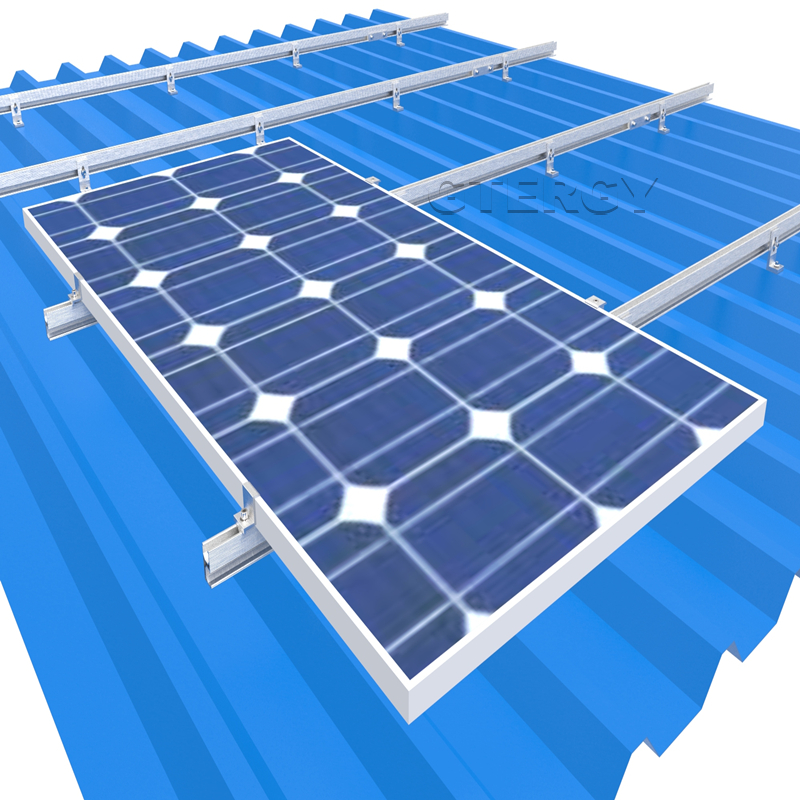
Aluminum Solar Ground Mounting System
Installing solar panel on a metal roof may be the best option for a solar energy system that can make your initial investment more efficient than you think. It considered to be the most suitable type of roof for installing so
View more
Solar Adjustable Mounting System
GTERGY Solar Panel Adjustable Mounting Systems is applicable for tin rooftop and concrete flat open space mounted. It can connect with aluminum profile or directly fasten it with the solar modules. The adjustable mount kits r
View more
Solar Asphalt Roof Mounting System
GTENGY provide a range of quick install and durable mounting accessories for Pitch Tile Solar Roof Mounting Systems. The primary aim of the system is to seamlessly blend solar technology with the existing roof structure, prov
View more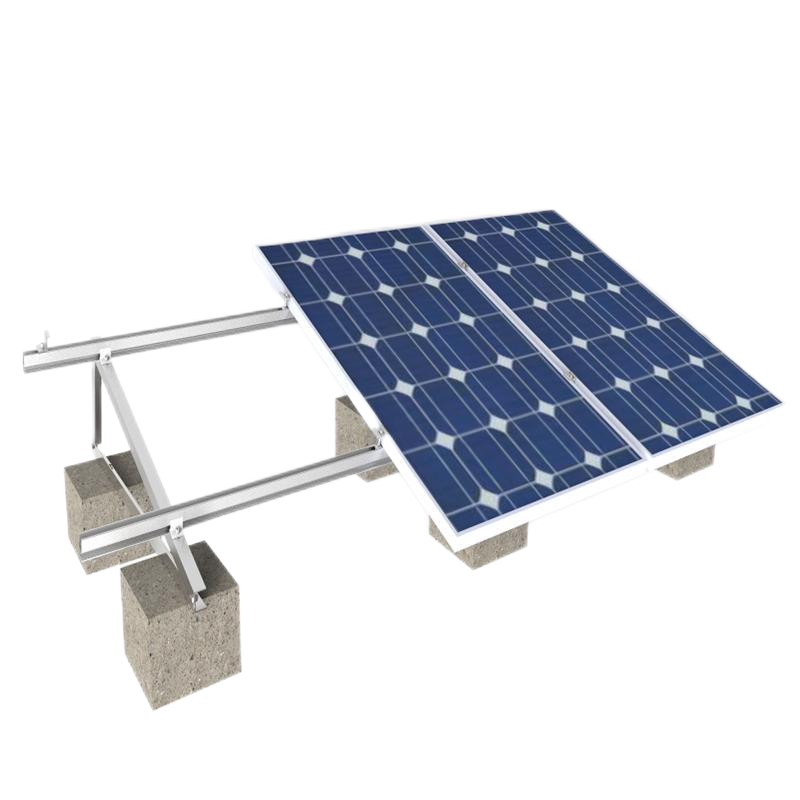
GTERGY Solar Flat Mounting Systems is applicable for concrete flat rooftop or open ground field, it can be divided into 2 kinds of solutions: one is fixed angle, we as per your project angle to custom made; the other is adjus
View more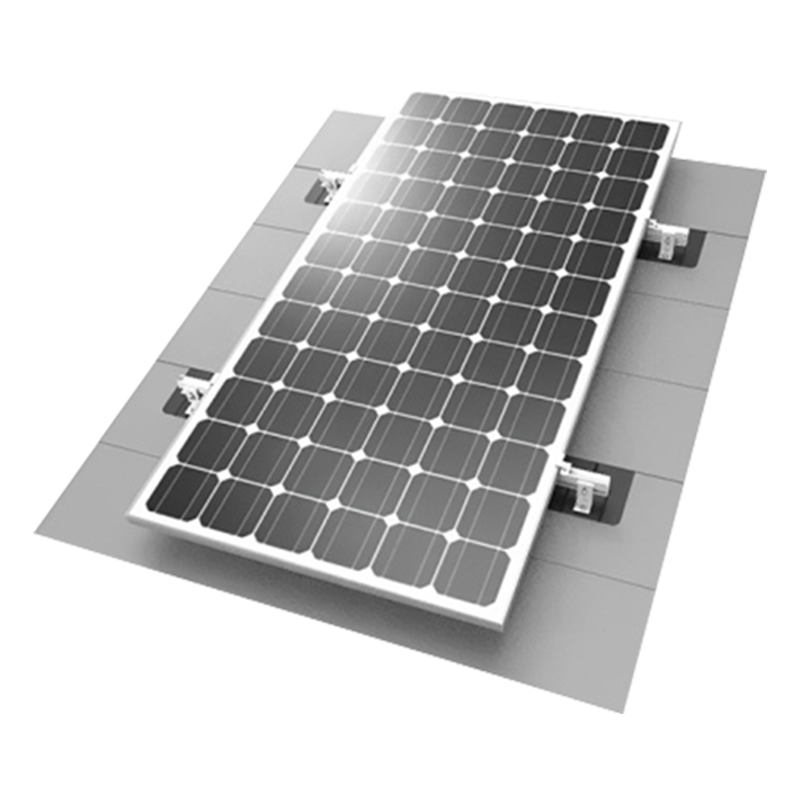
Solar Metal Roof Mounting System
The GTERGY Solar Asphalt Shingle Mounting Systems is design for the asphalt rooftop sheet. Shingle flashing well waterproof and pretend leakage. Simple install, cost effective and durable asphalt roof mount kits popular with
View more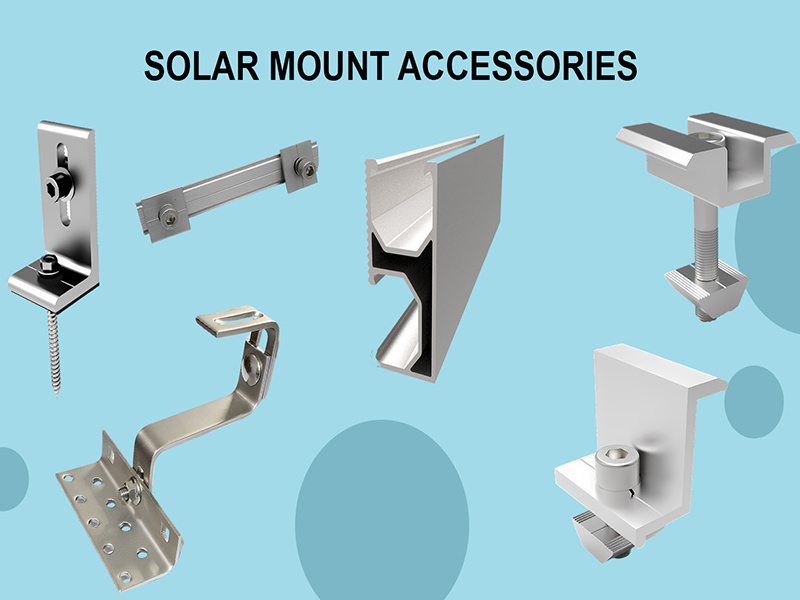
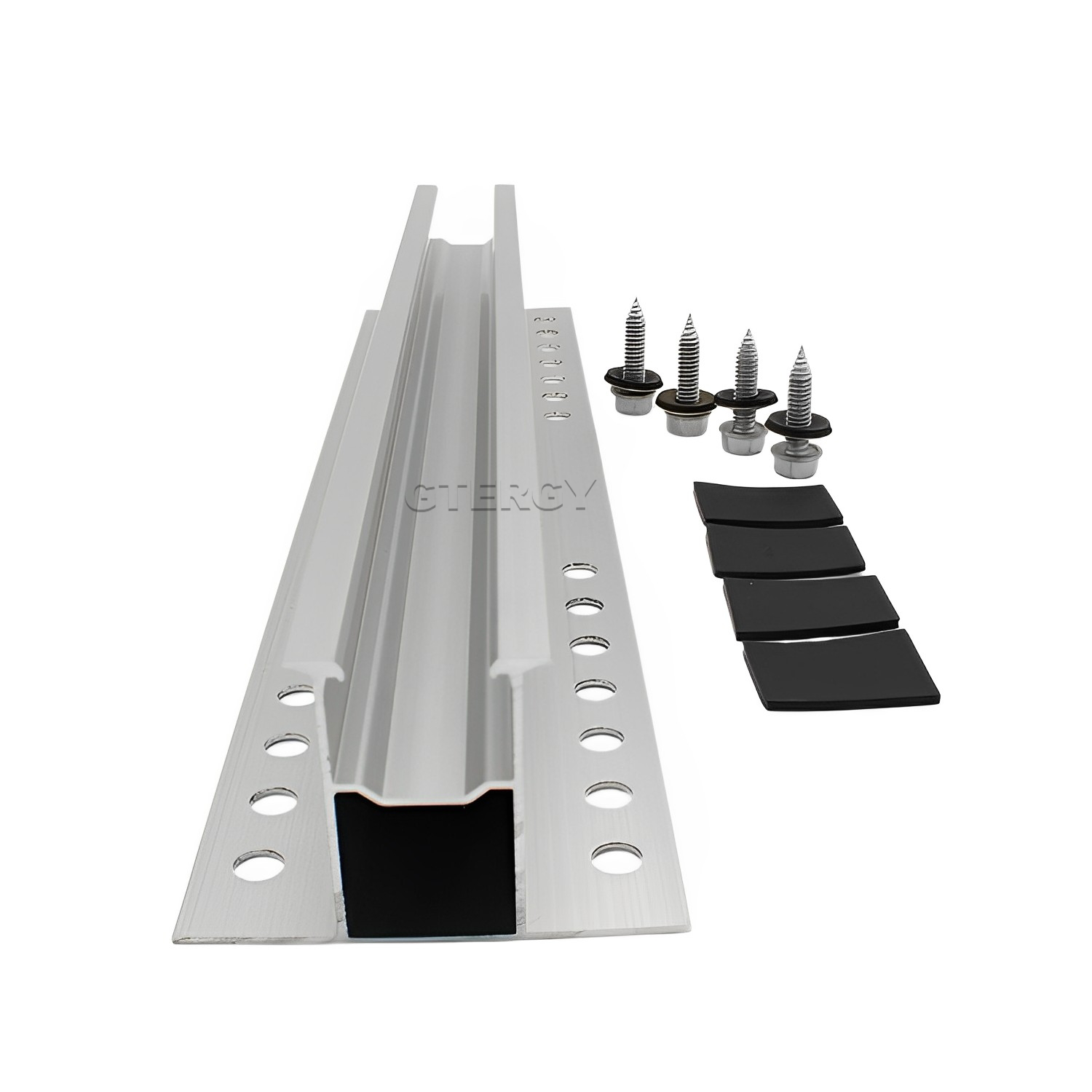
GTERGY offer a serious of Solar Mounting Accessories included solar profiles, solar rail splice, solar panel clamps, solar cable clips, solar grounding management systems clips...etc essential components that complement solar
View more
Solar Tile Roof Mounting System
GTERGY Solar Ground Mounting Bracket is applicable for open field, it can be installed for residential or large commercial scale solar projects. It is designed for quick installation and provide a safe and efficient mounting
View more -
Innovative Ways to Install Solar Roof Rails for Maximum Efficiency
2025-03-11
Innovative Ways to Install Solar Roof Rails for Maximum Efficiency
Table of Contents
- 1. Introduction to Solar Roof Rails
- 2. Importance of Proper Installation
- 3. Materials Used for Solar Roof Rails
- 4. Innovative Installation Techniques
- 4.1 Pre-Installation Planning
- 4.2 Rail Alignment for Maximum Efficiency
- 4.3 Vertical vs. Horizontal Installation
- 4.4 Essential Tools for Installation
- 5. Best Practices for Solar Roof Rail Installation
- 6. Safety Considerations During Installation
- 7. Troubleshooting Common Issues
- 8. Conclusion
1. Introduction to Solar Roof Rails
Solar roof rails serve as the backbone of solar panel systems, providing the necessary support and structure to ensure panels are securely mounted. As the demand for renewable energy grows, understanding the innovative methods for installing these rails becomes vital for maximizing efficiency and longevity. This article delves into the latest techniques and best practices for installing solar roof rails that not only enhance performance but also streamline the entire solar installation process.
2. Importance of Proper Installation
The significance of proper installation cannot be overstated. Correctly installed solar roof rails can dramatically affect the overall efficiency of solar panels. Poor installation can lead to structural problems, energy losses, and even safety hazards. Understanding the nuances of solar rail installation is essential for achieving maximum energy output and ensuring the longevity of the solar system.
3. Materials Used for Solar Roof Rails
The choice of materials for solar roof rails plays a critical role in their effectiveness and durability. Common materials include:
Aluminum
Aluminum is lightweight and resistant to corrosion, making it an ideal choice for solar rails. Its strength-to-weight ratio allows for easy handling and installation.
Stainless Steel
Although heavier, stainless steel offers superior strength and durability. It is particularly useful in areas with high wind or seismic activity.
Composite Materials
Emerging technologies have introduced composite materials that combine the benefits of various substances. These materials often provide enhanced resistance to environmental factors and reduce overall weight.
4. Innovative Installation Techniques
Innovative installation techniques can greatly simplify the mounting process and improve efficiency.
4.1 Pre-Installation Planning
Before any installation begins, thorough planning is crucial. This includes:
- Assessing roof type and pitch
- Considering local weather conditions
- Calculating optimal panel placement based on sun exposure
Utilizing advanced software tools for simulation can give insights into the best configurations for energy production.
4.2 Rail Alignment for Maximum Efficiency
Proper alignment of solar rails ensures that solar panels receive optimal sunlight. The following factors should be taken into account:
- **Orientation**: South-facing installations generally yield the best results in the Northern Hemisphere.
- **Tilt Angle**: Adjusting the tilt angle according to geographical location can significantly enhance energy capture.
Employing laser alignment tools can help achieve precise positioning during installation.
4.3 Vertical vs. Horizontal Installation
The orientation of the solar panels can also be adjusted based on specific needs. Vertical installations may be beneficial in areas with limited roof space, while horizontal placements can be more common in expansive spaces. Both methods have their advantages and should be carefully considered based on the application.
4.4 Essential Tools for Installation
Having the right tools is critical for a successful installation. Essential tools include:
- Power drills
- Leveling tools
- Torque wrenches
- Safety harnesses
Investing in quality tools will not only improve the installation process but also ensure safety and structural stability.
5. Best Practices for Solar Roof Rail Installation
Following industry best practices can help avoid common pitfalls associated with solar rail installations. Consider these guidelines:
- **Systematic Approach**: Follow a structured process for installation to ensure consistency and efficiency.
- **Regular Inspections**: After installation, regular inspections should be conducted to ensure that rails remain secure and free of debris.
- **Documentation**: Keep detailed records of installation procedures and any modifications made to the system for future reference.
6. Safety Considerations During Installation
Safety should always be a priority during any installation process. Key safety measures include:
- **Personal Protective Equipment (PPE)**: Always wear appropriate gear, including helmets, gloves, and safety glasses.
- **Fall Protection**: Use safety harnesses and ensure proper scaffolding is in place when working on rooftops.
- **Electrical Safety**: Be cautious when working with electrical components to prevent shocks and short-circuits.
7. Troubleshooting Common Issues
Even with the best practices in place, issues can arise during or after installation. Common issues include:
- **Poor Energy Output**: This can stem from improper rail alignment or shading from nearby structures. Regularly monitor energy output levels to identify discrepancies.
- **Structural Instability**: If rails are loose or misaligned, this can lead to safety hazards. Conduct routine checks to ensure all components are secure.
- **Corrosion**: Using the right materials helps minimize corrosion, but it’s still important to inspect for any signs of wear that could affect performance.
8. Conclusion
Incorporating innovative installation methods for solar roof rails significantly enhances the efficiency of solar energy systems. By understanding the materials used, following best practices, and applying the latest techniques, installers can ensure a successful and sustainable solar energy solution. Safety, thorough planning, and continuous monitoring are essential components of any installation process, leading to improved energy output and longevity of solar systems. As technology advances, staying informed about new innovations in the field will further empower installers to achieve maximum efficiency in solar energy generation.
Related Information
CONTACT US
mail: info@gtergy.com
Tel:86-5926061498
Fax: 86-5926289378
Add: 399 Jinyuan West 2nd Road, Jimei
District, Xiamen, China
Copyright © 2023 Xiamen Greatest Energy Technology Co., Ltd All rights reserved. Powered by www.300.cn
SAF Coolest v1.3 设置面板 ZASSX-ZOWA-AQSDE-ZSS
无数据提示
Sorry, There Is Currently No Content In The Column!
You can view other columns or return to Home