


-
-
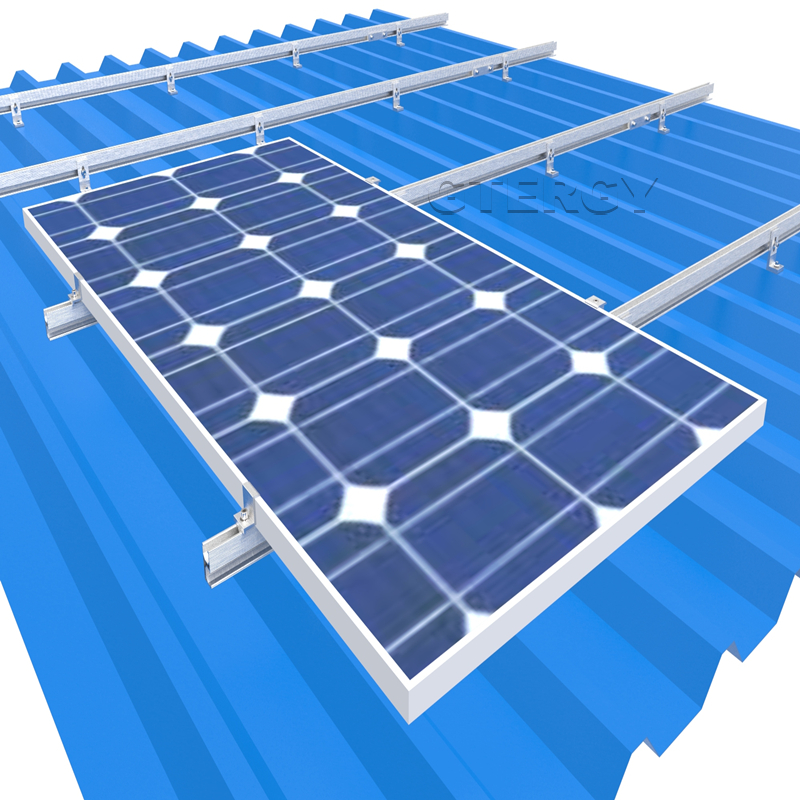
Aluminum Solar Ground Mounting System
Installing solar panel on a metal roof may be the best option for a solar energy system that can make your initial investment more efficient than you think. It considered to be the most suitable type of roof for installing so
View more
Solar Adjustable Mounting System
GTERGY Solar Panel Adjustable Mounting Systems is applicable for tin rooftop and concrete flat open space mounted. It can connect with aluminum profile or directly fasten it with the solar modules. The adjustable mount kits r
View more
Solar Asphalt Roof Mounting System
GTENGY provide a range of quick install and durable mounting accessories for Pitch Tile Solar Roof Mounting Systems. The primary aim of the system is to seamlessly blend solar technology with the existing roof structure, prov
View more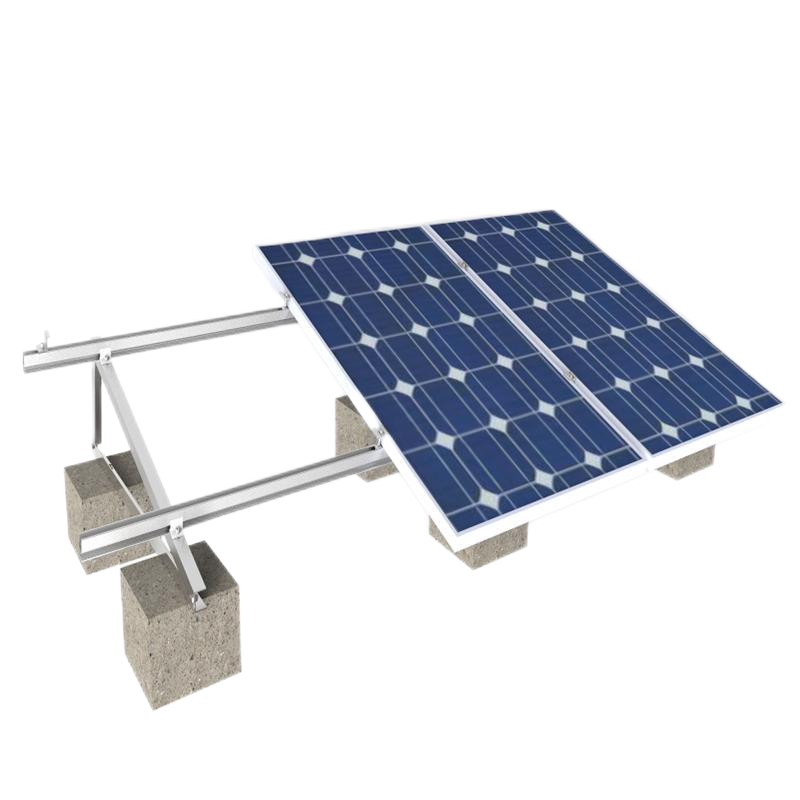
GTERGY Solar Flat Mounting Systems is applicable for concrete flat rooftop or open ground field, it can be divided into 2 kinds of solutions: one is fixed angle, we as per your project angle to custom made; the other is adjus
View more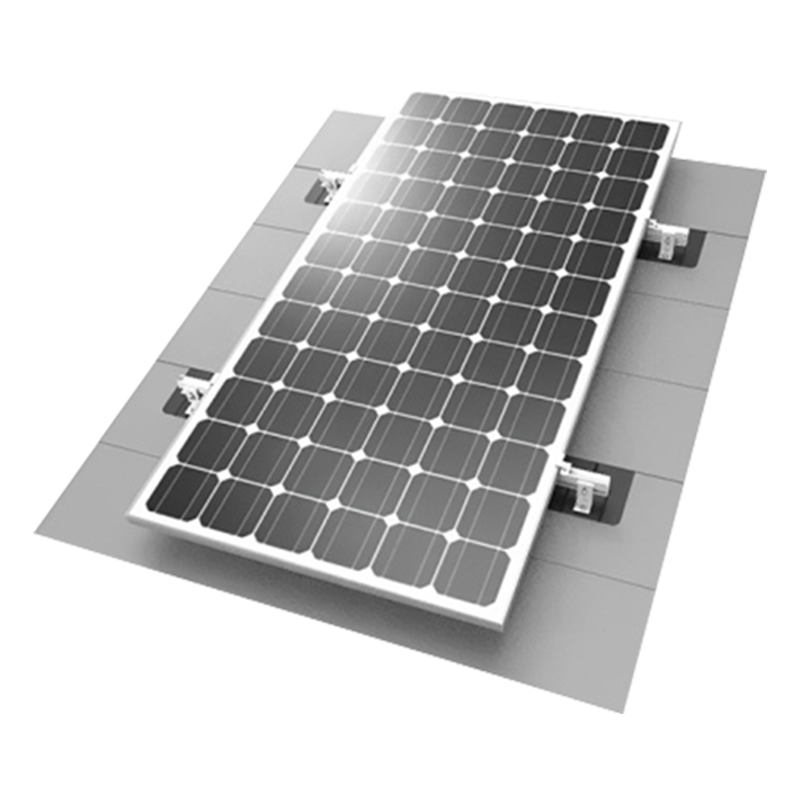
Solar Metal Roof Mounting System
The GTERGY Solar Asphalt Shingle Mounting Systems is design for the asphalt rooftop sheet. Shingle flashing well waterproof and pretend leakage. Simple install, cost effective and durable asphalt roof mount kits popular with
View more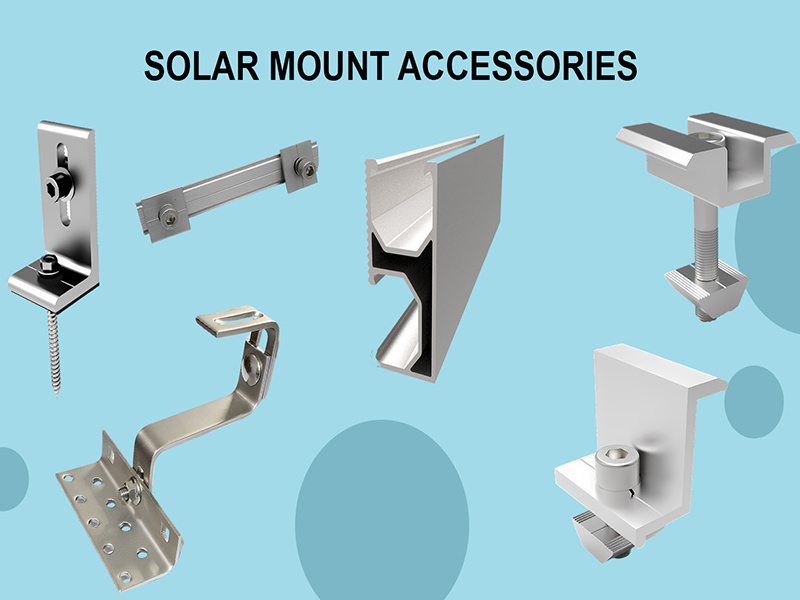
GTERGY offer a serious of Solar Mounting Accessories included solar profiles, solar rail splice, solar panel clamps, solar cable clips, solar grounding management systems clips...etc essential components that complement solar
View more
Solar Tile Roof Mounting System
GTERGY Solar Ground Mounting Bracket is applicable for open field, it can be installed for residential or large commercial scale solar projects. It is designed for quick installation and provide a safe and efficient mounting
View more -
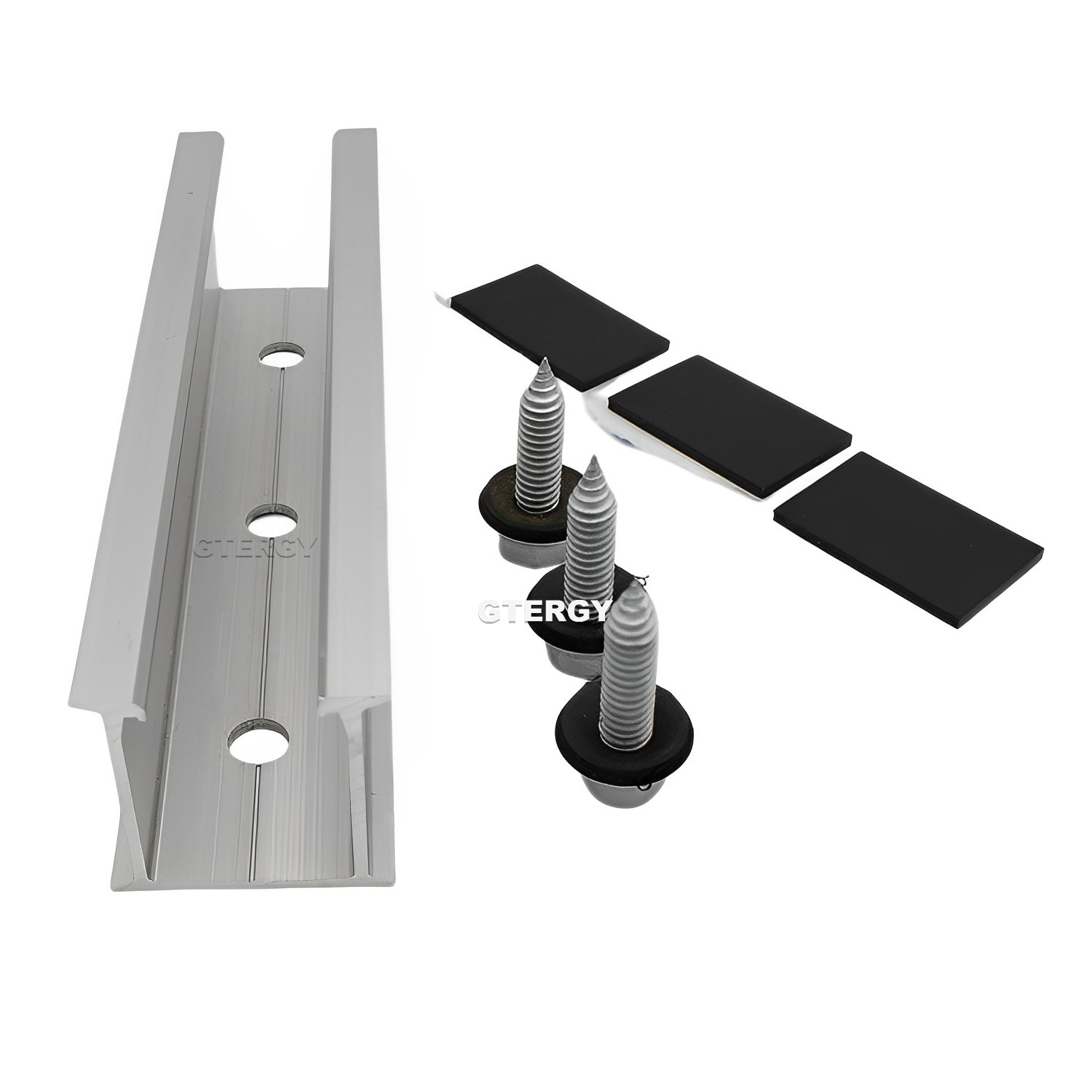
Unlocking the Power of Solar Panels: A Comprehensive Guide to Mini Rail Technology
2025-03-31
Unlocking the Power of Solar Panels: A Comprehensive Guide to Mini Rail Technology
Table of Contents
1. Introduction to Solar Energy and its Importance
2. Understanding Mini Rail Technology
2.1 What is Mini Rail Technology?
2.2 Key Components of Mini Rail Systems
3. Advantages of Mini Rail Technology in Solar Panel Installations
3.1 Efficient Space Utilization
3.2 Enhanced Durability and Longevity
4. Installation Methods for Mini Rail Systems
4.1 Roof Mounting Techniques
4.2 Ground Mounting Techniques
5. Comparing Mini Rail Systems with Traditional Mounting Options
6. Real-World Applications of Mini Rail Technology
7. FAQs about Mini Rail Technology and Solar Panels
8. Conclusion: Embracing the Future of Solar Energy
1. Introduction to Solar Energy and its Importance
Solar energy stands as one of the most promising renewable energy sources available today. With the rapid advancements in technology and growing concerns over climate change, harnessing the power of the sun has become essential. Solar panels convert sunlight into electricity, providing a sustainable energy solution for residential and commercial applications. As more people look to integrate solar technology into their lives, understanding the components and methods that optimize these installations is crucial.
2. Understanding Mini Rail Technology
Innovations in solar mounting technology have led to the emergence of mini rail systems, a vital component in maximizing solar panel efficiency. These systems provide a stable and adaptable framework for solar installations, ensuring panels are securely fastened and optimally positioned.
2.1 What is Mini Rail Technology?
Mini rail technology involves using a streamlined and lightweight rail system designed specifically for mounting solar panels. Unlike traditional mounting systems, mini rails provide flexibility in installation while maintaining robust structural integrity. This technology is particularly beneficial in areas with space constraints or variable terrain.
2.2 Key Components of Mini Rail Systems
The primary components of mini rail technology include:
- **Mini Rails**: Lightweight, durable rails that provide support for solar panels.
- **Mounting Brackets**: Adjustable brackets that secure the panels to the mini rails.
- **Fasteners**: High-strength bolts and anchors that ensure a secure fit.
- **End Caps**: Protective caps that prevent debris accumulation and enhance the system’s lifespan.
Together, these components facilitate easy installation and maintenance, making mini rail technology an attractive option for solar panel setups.
3. Advantages of Mini Rail Technology in Solar Panel Installations
Implementing mini rail systems in solar panel installations comes with numerous benefits that enhance the overall performance and longevity of solar energy systems.
3.1 Efficient Space Utilization
Mini rail technology is designed to optimize space, making it ideal for installations in restricted areas. The compact design allows for maximum solar panel placement without compromising structural support. This is especially advantageous for residential rooftops or commercial properties with limited roof space.
3.2 Enhanced Durability and Longevity
Constructed from robust materials, mini rail systems are engineered to withstand harsh weather conditions. The resistance to corrosion and environmental degradation ensures that solar panels remain securely mounted, providing long-term performance and reliability. This durability translates into lower maintenance costs and a longer lifespan for the solar installation.
4. Installation Methods for Mini Rail Systems
Proper installation is crucial for the performance of solar panel systems. Mini rail technology allows for versatile installation methods, adaptable to various environments.
4.1 Roof Mounting Techniques
When installing mini rail systems on roofs, the following steps are typically followed:
1. **Assessment**: Evaluate the roof structure to determine the best mounting locations.
2. **Preparation**: Clean the installation area and ensure it’s free from debris.
3. **Bracketing**: Attach mounting brackets securely to the roof using appropriate fasteners.
4. **Rail Installation**: Position the mini rails onto the brackets, ensuring they are level and secure.
5. **Panel Mounting**: Finally, attach the solar panels to the mini rails using specified fasteners.
This method minimizes roof penetration and enhances the system's efficiency.
4.2 Ground Mounting Techniques
For ground-mounted solar panel systems, the installation process involves:
1. **Site Selection**: Choose a suitable location with optimal sun exposure.
2. **Foundation Preparation**: Construct a stable foundation using concrete or other durable materials.
3. **Bracketing**: Install ground mounts, securing them firmly to the foundation.
4. **Rail Placement**: Attach mini rails to the ground mounts.
5. **Panel Attachment**: Install solar panels on the rails, ensuring all connections are secure.
Ground mounting allows for greater flexibility in angle adjustments, maximizing solar absorption throughout the day.
5. Comparing Mini Rail Systems with Traditional Mounting Options
When contrasting mini rail systems with traditional solar mounting options, several factors come into play, including installation time, cost, and overall efficiency.
- **Installation Time**: Mini rail systems generally require less time to install due to their simplified design. Traditional systems often involve complex assembly and more components.
- **Cost-Effectiveness**: While initial costs may vary, mini rail systems can lead to savings in labor and maintenance over time, making them an economically viable option.
- **Performance**: Mini rail systems can enhance solar panel efficiency by allowing for optimal positioning and ventilation, while traditional systems may restrict airflow and sunlight exposure.
Overall, mini rails provide a modern, efficient alternative to conventional mounting systems.
6. Real-World Applications of Mini Rail Technology
Mini rail technology is making waves across various sectors, demonstrating its versatility in real-world applications:
- **Residential Installations**: Homeowners are increasingly adopting mini rail systems for rooftop solar panels, maximizing energy output while maintaining aesthetic appeal.
- **Commercial Projects**: Businesses benefit from the efficient installation and adaptability of mini rail systems, allowing for larger arrays and better energy management.
- **Agricultural Uses**: Farmers are utilizing mini rail technology for ground-mounted solar arrays, providing renewable energy solutions while preserving land for crops.
These diverse applications illustrate the flexibility and effectiveness of mini rail technology across different environments.
7. FAQs about Mini Rail Technology and Solar Panels
7.1 What is the lifespan of mini rail systems?
Mini rail systems are designed for longevity, typically lasting 25 years or more with proper installation and maintenance.
7.2 Are mini rail systems compatible with all solar panels?
Yes, mini rail systems are versatile and compatible with various solar panel brands and types.
7.3 How do mini rail systems handle extreme weather conditions?
Mini rail systems are built from durable materials that can withstand high winds, heavy snowfall, and other extreme weather conditions.
7.4 Can mini rail systems be adjusted after installation?
While adjustments can be made, it’s best to plan the installation carefully to minimize the need for modifications later.
7.5 What maintenance is required for mini rail systems?
Regular inspections for debris, rust, and structural integrity are recommended to ensure optimal performance and longevity.
8. Conclusion: Embracing the Future of Solar Energy
As the world continues to shift towards renewable energy, understanding the technologies that enhance solar panel efficiency is crucial. Mini rail technology stands at the forefront of this evolution, providing innovative solutions that maximize space and performance. By adopting this advanced mounting system, we can unlock the full potential of solar energy, paving the way for a sustainable future. Embracing mini rail technology not only enhances solar installations but also contributes to a greener planet for generations to come.
Related Information
CONTACT US
mail: info@gtergy.com
Tel:86-5926061498
Fax: 86-5926289378
Add: 399 Jinyuan West 2nd Road, Jimei
District, Xiamen, China
Copyright © 2023 Xiamen Greatest Energy Technology Co., Ltd All rights reserved. Powered by www.300.cn
SAF Coolest v1.3 设置面板 ZASSX-ZOWA-AQSDE-ZSS
无数据提示
Sorry, There Is Currently No Content In The Column!
You can view other columns or return to Home