


-
-
Aluminum Solar Ground Mounting System
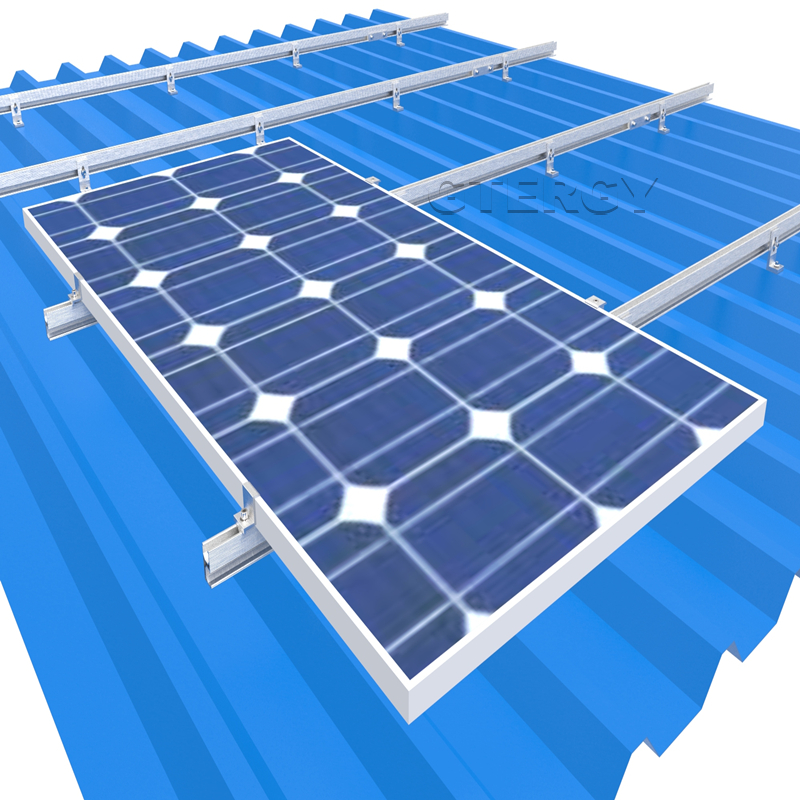
Installing solar panel on a metal roof may be the best option for a solar energy system that can make your initial investment more efficient than you think. It considered to be the most suitable type of roof for installing so
View more
Solar Adjustable Mounting System
GTERGY Solar Panel Adjustable Mounting Systems is applicable for tin rooftop and concrete flat open space mounted. It can connect with aluminum profile or directly fasten it with the solar modules. The adjustable mount kits r
View more
Solar Asphalt Roof Mounting System
GTENGY provide a range of quick install and durable mounting accessories for Pitch Tile Solar Roof Mounting Systems. The primary aim of the system is to seamlessly blend solar technology with the existing roof structure, prov
View more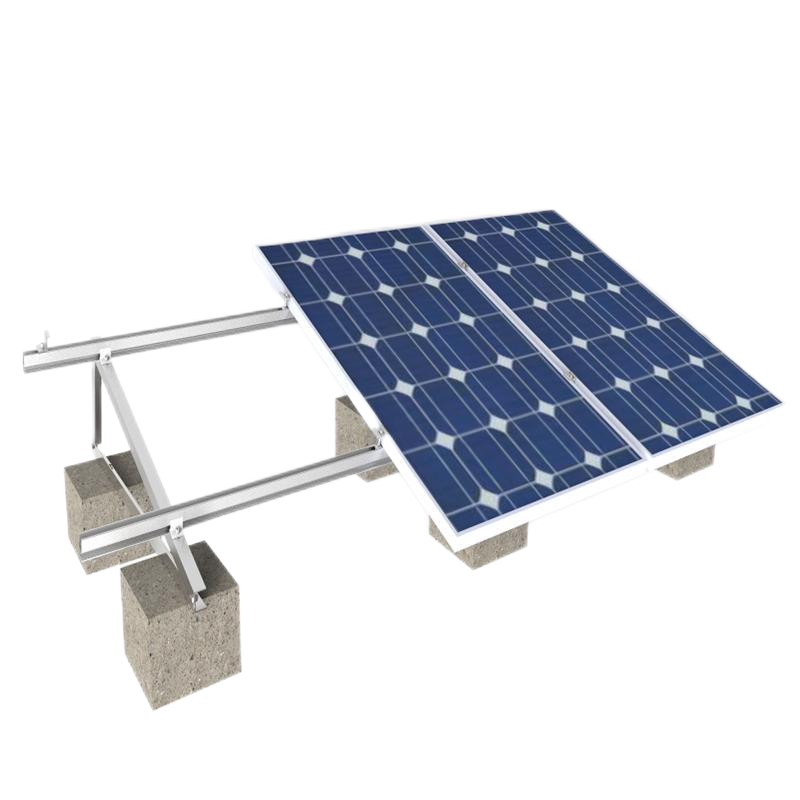
GTERGY Solar Flat Mounting Systems is applicable for concrete flat rooftop or open ground field, it can be divided into 2 kinds of solutions: one is fixed angle, we as per your project angle to custom made; the other is adjus
View more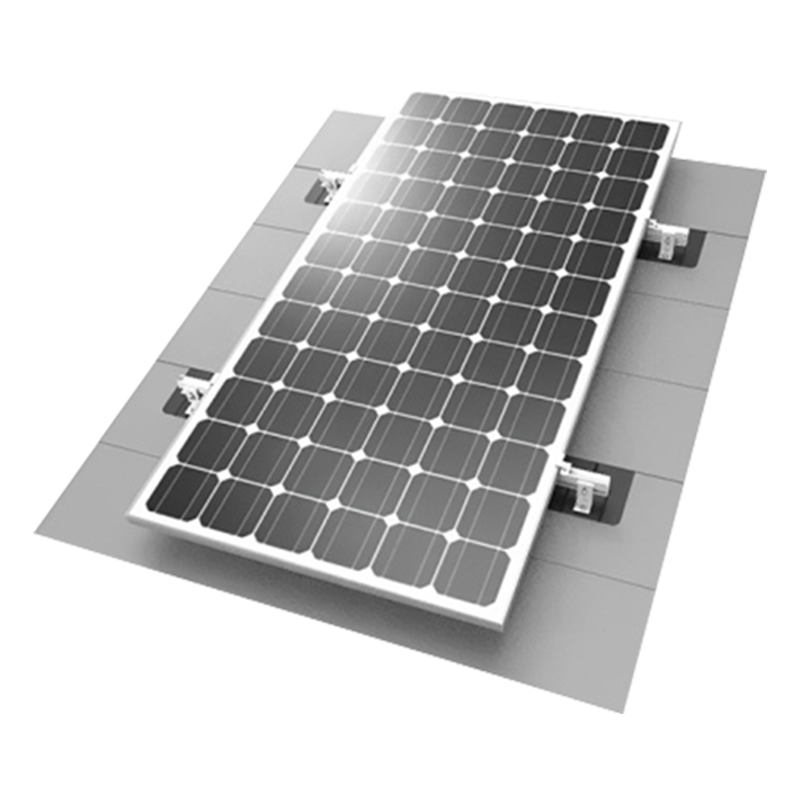
Solar Metal Roof Mounting System
The GTERGY Solar Asphalt Shingle Mounting Systems is design for the asphalt rooftop sheet. Shingle flashing well waterproof and pretend leakage. Simple install, cost effective and durable asphalt roof mount kits popular with
View more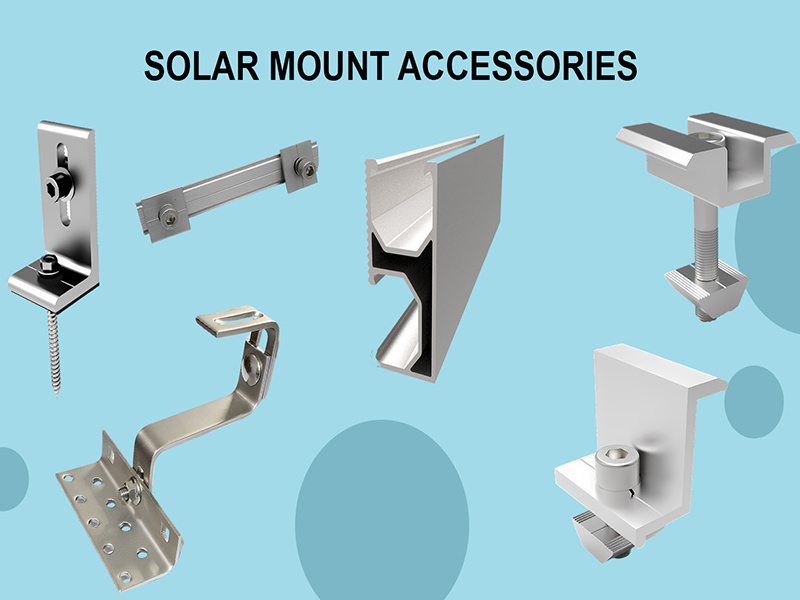
GTERGY offer a serious of Solar Mounting Accessories included solar profiles, solar rail splice, solar panel clamps, solar cable clips, solar grounding management systems clips...etc essential components that complement solar
View more
Solar Tile Roof Mounting System
GTERGY Solar Ground Mounting Bracket is applicable for open field, it can be installed for residential or large commercial scale solar projects. It is designed for quick installation and provide a safe and efficient mounting
View more -

Efficient Installation Techniques for Mini Rail Solar Solutions
2025-04-10
Efficient Installation Techniques for Mini Rail Solar Solutions
Introduction to Mini Rail Solar Solutions
In recent years, the quest for renewable energy sources has led to a surge in the popularity of solar power. **Mini rail solar solutions** have emerged as an efficient and cost-effective way to harness solar energy, particularly in residential and commercial settings. These systems allow for **flexible installation**, making them an ideal choice for a variety of roof types and orientations.
Why Choose Mini Rail Solar Systems?
Mini rail solar systems offer several advantages, including:
- Space Efficiency: Designed for smaller installations, these systems maximize solar panel output in limited spaces.
- Ease of Installation: Mini rail systems are user-friendly, allowing for quicker setup and less labor.
- Cost-Effectiveness: Lower material and labor costs make these systems an attractive option for many homeowners and businesses.
Key Components of Mini Rail Solar Solutions
To ensure a successful installation, it's important to understand the key components involved:
Solar Panels
The heart of any solar solution, the efficiency of solar panels directly impacts energy production.
Mini Rails
These lightweight rails provide structural support for solar panels while allowing for easy adjustment and alignment.
Mounting Hardware
Includes brackets, bolts, and clamps. Quality hardware is essential to ensure stability and durability.
Inverters
Convert the direct current (DC) generated by solar panels into alternating current (AC) for use in homes and businesses.
Efficient Installation Techniques for Mini Rail Solar Solutions
The installation of mini rail solar solutions requires precise techniques to ensure efficiency and longevity. Here we discuss various methods that can enhance the overall installation process.
1. Pre-Installation Assessment
Before beginning any installation, conduct a thorough assessment of the site. Examine the following:
- Roof Orientation: South-facing roofs generally yield better solar exposure.
- Shade Analysis: Identify potential obstructions that may cast shadows on the panels.
- Structural Integrity: Ensure the roof can support the weight of the solar system.
2. Selecting the Right Tools
Having the right tools can significantly streamline the installation process. Essential tools include:
- Power Drill: For securing mounting hardware.
- Level: To ensure solar panels are installed evenly.
- Tape Measure: For accurate spacing and alignment.
3. Proper Rail Placement
The placement of mini rails is critical for maximizing solar efficiency. Follow these steps:
- Determine the optimal spacing based on panel size and roof dimensions.
- Align the rails parallel to the roof slope.
- Use a level to ensure rails are adequately aligned before securing them.
4. Secure Mounting Hardware
Using high-quality mounting hardware is essential. Here’s how to secure them properly:
- Pre-drill holes to prevent roof damage.
- Use stainless steel bolts and clamps to resist corrosion.
- Tighten bolts adequately, but avoid over-tightening to prevent damage.
5. Install Solar Panels
Once rails are in place, it’s time to install the solar panels. Ensure to:
- Carefully lift panels onto the rails to avoid damage.
- Align panels according to manufacturer guidelines.
- Securely clamp panels to the rails using the provided hardware.
6. Electrical Connections
After the physical installation, focus on the electrical aspects:
- Connect solar panels to the inverter, ensuring proper polarity.
- Run wiring along the rails to keep them organized and out of sight.
- Test connections before finalizing the system.
7. Inspection and Quality Assurance
A final inspection is essential to confirm everything is installed correctly:
- Check all mounting hardware for tightness.
- Inspect electrical connections for any exposed wires.
- Test the system to ensure it’s generating power as expected.
Best Practices for Long-Term Performance
To maintain efficiency and prolong the life of mini rail solar solutions, adhere to these best practices:
Regular Maintenance
Regularly inspect the system for dirt, debris, and wear. Cleaning panels and checking hardware can prevent long-term issues.
Monitor Performance
Utilize monitoring systems to keep track of energy production. Early detection of issues can save you time and money.
Stay Updated with Technological Advances
As solar technology evolves, keep abreast of new products and techniques that could enhance your solar installation.
Conclusion
Successfully installing mini rail solar solutions hinges on efficient techniques and careful planning. By following the guidelines outlined in this article, you can ensure your solar panel installation is not only effective but also sustainable for the long term. Emphasizing proper assessment, tool selection, and quality assurance will lead to optimal performance and a reliable energy source.
FAQs
1. What is the advantage of mini rail solar systems over traditional systems?
Mini rail solar systems are designed for smaller spaces, making them more adaptable for urban environments and residential rooftops.
2. How much space do I need for a mini rail solar installation?
The space required depends on the number of panels and their size. Typically, a small roof can fit at least a couple of panels efficiently.
3. Can I install a mini rail solar system myself?
If you have basic DIY skills and the right tools, you can install a mini rail solar system. However, consulting a professional is recommended for optimal safety and efficiency.
4. How do I maintain my mini rail solar system?
Regularly check for debris, clean the panels, and inspect hardware for tightness. Periodic monitoring of energy production is also advisable.
5. What is the lifespan of a mini rail solar system?
With proper maintenance, mini rail solar solutions can last 25 years or more, similar to traditional solar panels.
By implementing these efficient installation techniques and maintaining your mini rail solar systems, you can enjoy a sustainable and cost-effective energy solution for years to come.
Related Information
CONTACT US
mail: info@gtergy.com
Tel:86-5926061498
Fax: 86-5926289378
Add: 399 Jinyuan West 2nd Road, Jimei
District, Xiamen, China
Copyright © 2023 Xiamen Greatest Energy Technology Co., Ltd All rights reserved. Powered by www.300.cn
SAF Coolest v1.3 设置面板 ZASSX-ZOWA-AQSDE-ZSS
无数据提示
Sorry, There Is Currently No Content In The Column!
You can view other columns or return to Home