


-
-
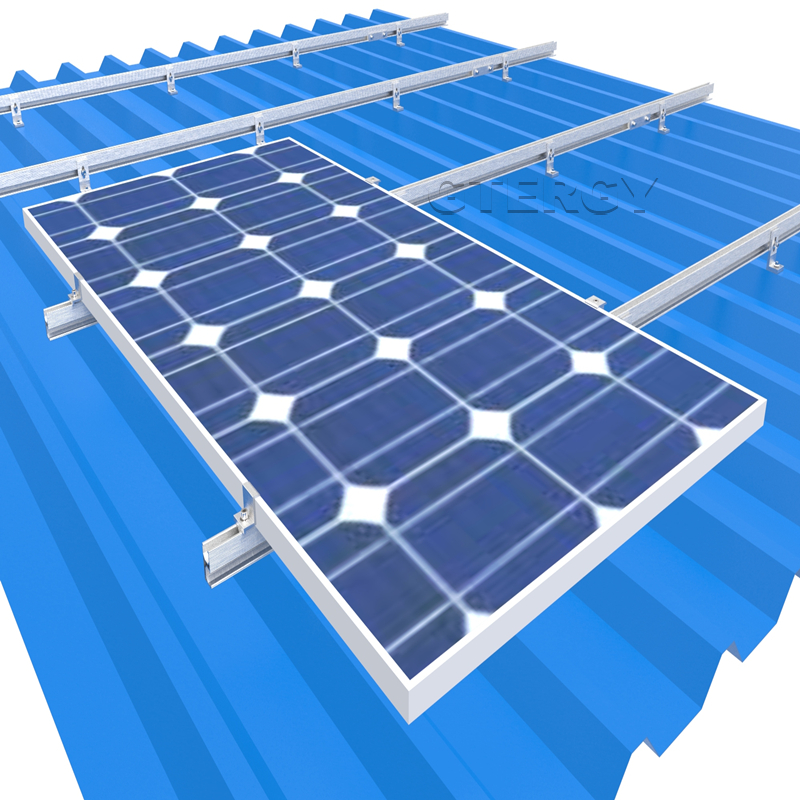
Aluminum Solar Ground Mounting System
Installing solar panel on a metal roof may be the best option for a solar energy system that can make your initial investment more efficient than you think. It considered to be the most suitable type of roof for installing so
View more
Solar Adjustable Mounting System
GTERGY Solar Panel Adjustable Mounting Systems is applicable for tin rooftop and concrete flat open space mounted. It can connect with aluminum profile or directly fasten it with the solar modules. The adjustable mount kits r
View more
Solar Asphalt Roof Mounting System
GTENGY provide a range of quick install and durable mounting accessories for Pitch Tile Solar Roof Mounting Systems. The primary aim of the system is to seamlessly blend solar technology with the existing roof structure, prov
View more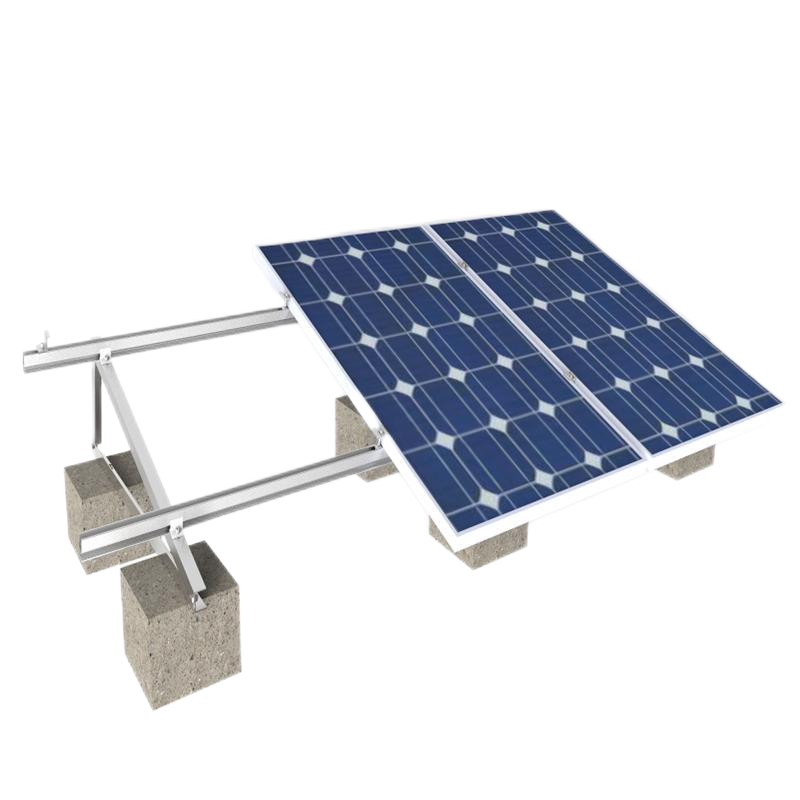
GTERGY Solar Flat Mounting Systems is applicable for concrete flat rooftop or open ground field, it can be divided into 2 kinds of solutions: one is fixed angle, we as per your project angle to custom made; the other is adjus
View more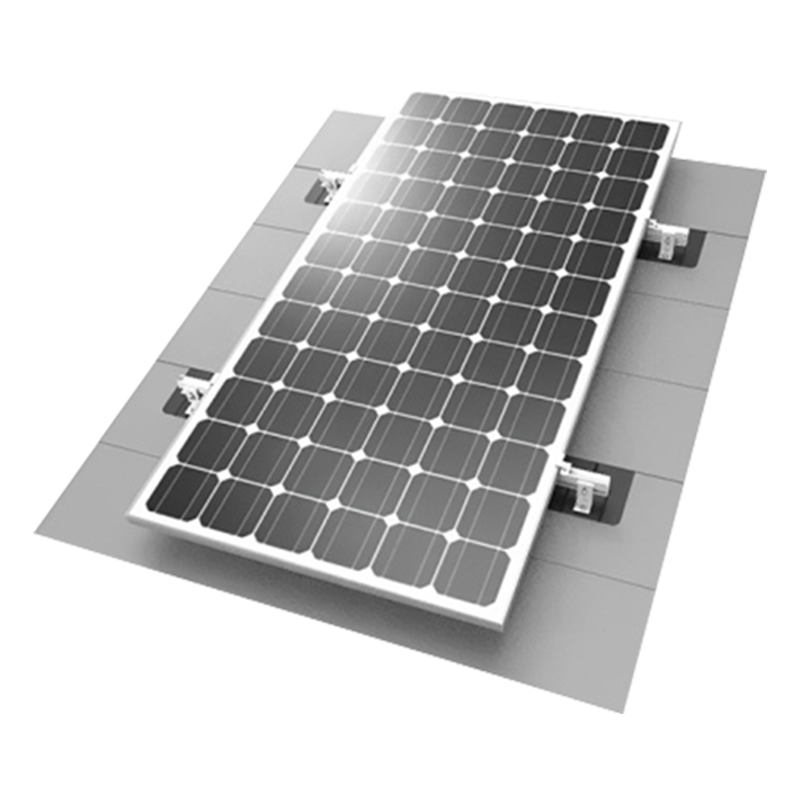
Solar Metal Roof Mounting System
The GTERGY Solar Asphalt Shingle Mounting Systems is design for the asphalt rooftop sheet. Shingle flashing well waterproof and pretend leakage. Simple install, cost effective and durable asphalt roof mount kits popular with
View more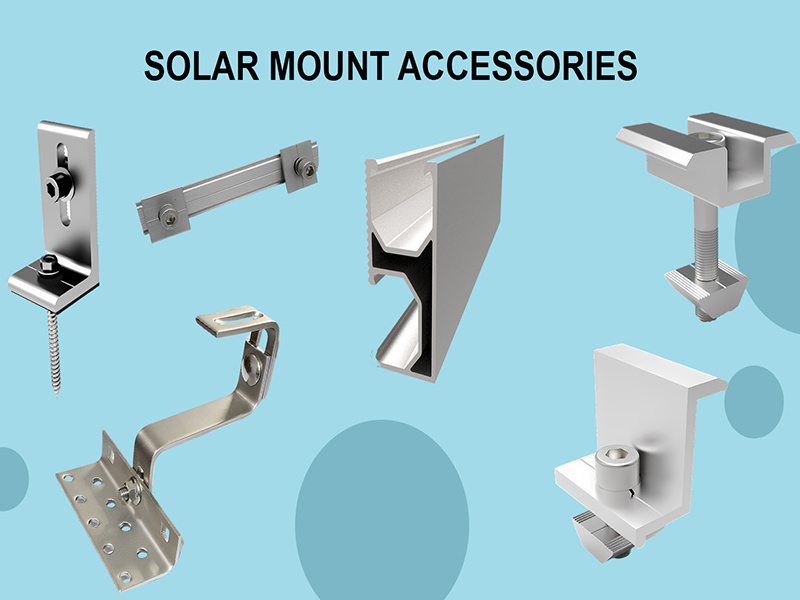
GTERGY offer a serious of Solar Mounting Accessories included solar profiles, solar rail splice, solar panel clamps, solar cable clips, solar grounding management systems clips...etc essential components that complement solar
View more
Solar Tile Roof Mounting System
GTERGY Solar Ground Mounting Bracket is applicable for open field, it can be installed for residential or large commercial scale solar projects. It is designed for quick installation and provide a safe and efficient mounting
View more -

The Ultimate Guide to Selecting the Right Solar Panel Clamp for Your System
2025-04-20
The Ultimate Guide to Selecting the Right Solar Panel Clamp for Your System
As the world shifts toward renewable energy, solar power has become a prominent choice for homeowners and businesses alike. However, ensuring that your solar panels are securely mounted is crucial for maximizing efficiency and longevity. Selecting the right solar panel clamp is a critical step in this process. In this guide, we will explore various types of solar panel clamps, their features, and how to choose the best option for your solar system.
Table of Contents
- Understanding Solar Panel Clamps
- Types of Solar Panel Clamps
- Material Selection for Solar Panel Clamps
- Installation Considerations
- Common Mistakes to Avoid
- Maintenance and Inspection
- Frequently Asked Questions
- Conclusion
Understanding Solar Panel Clamps
Solar panel clamps are essential components used to secure solar panels to their mounting systems. They help ensure that the panels remain stable and properly aligned, which is vital for optimal energy collection. Understanding their role in the solar system setup can help you make informed choices when selecting clamps.
Types of Solar Panel Clamps
Choosing the right type of solar panel clamp is crucial for ensuring the stability and efficiency of your solar installation. There are several types of clamps commonly used in solar panel systems.
Mid Clamps
Mid clamps are typically used to secure solar panels in the middle of a row. They allow for a clean and organized installation while ensuring that panels remain spaced evenly. Mid clamps are designed to accommodate different panel sizes and are generally adjustable, making them a versatile choice.
End Clamps
End clamps are designed specifically for securing the ends of solar panels. These clamps ensure that the panels do not shift or move, which is crucial for maintaining the integrity of the system. End clamps often have a simple design, allowing for easy installation and removal if necessary.
Corner Clamps
Corner clamps are used at the corners of solar panels, providing additional support and stability. They are especially useful in larger installations where panels may be subjected to higher wind loads. Corner clamps help distribute the load more evenly, reducing the risk of damage.
Specialty Clamps
There are also specialty clamps available that cater to unique installations. These may include clamps designed for specific types of mounting structures (such as flat roofs or ground mounts) or clamps that accommodate specific panel designs. Specialty clamps are essential for ensuring a secure fit in non-standard applications.
Material Selection for Solar Panel Clamps
The material of solar panel clamps plays a vital role in their performance and durability. Here are some common materials used:
Aluminum
Aluminum is a popular choice for solar panel clamps due to its lightweight properties and resistance to corrosion. It is an excellent material for both residential and commercial solar installations.
Stainless Steel
Stainless steel clamps offer superior strength and resistance to rust and corrosion. They are particularly useful in coastal areas where saltwater can negatively impact materials. While they may be more expensive than aluminum, their longevity can justify the investment.
Plastic or Polymer
Some clamps utilize high-quality plastics or polymers that can withstand UV exposure and harsh weather conditions. These materials are lightweight and can be a cost-effective solution for specific applications.
Installation Considerations
Proper installation of solar panel clamps is crucial to ensure the safety and efficiency of your solar system. Here are some key installation considerations:
Alignment
Ensure that panels are properly aligned before tightening clamps. Misalignment can lead to inefficient energy production and potential damage to the panels.
Torque Specifications
Follow the manufacturer's torque specifications when tightening clamps. Over-tightening can damage the panels or the mounting structure, while under-tightening can result in instability.
Weather Conditions
Choose a calm day for installation whenever possible. Windy or rainy conditions can complicate the installation process and increase the risk of accidents.
Common Mistakes to Avoid
When selecting and installing solar panel clamps, avoid these common pitfalls:
Ignoring Manufacturer Guidelines
Always adhere to the manufacturer's guidelines for clamp selection and installation. Failure to do so can void warranties and lead to system failures.
Overlooking Local Regulations
Ensure that your installation complies with local building codes and regulations. Neglecting this can result in fines or removal of your system.
Neglecting Maintenance
Regularly inspect clamps and connections to ensure they remain secure. Neglecting maintenance can lead to costly repairs down the line.
Maintenance and Inspection
Routine maintenance is essential for the longevity of your solar system. Here are some practices to keep in mind:
Visual Inspections
Conduct visual inspections of clamps and mounting hardware at least twice a year. Look for signs of corrosion, looseness, or damage.
Cleaning
Clean clamps and surrounding areas to prevent the buildup of debris that can hinder performance. A clean system is more efficient in energy production.
Frequently Asked Questions
1. What are the benefits of using solar panel clamps?
Solar panel clamps provide stability, prevent panel movement, and protect your solar investment by ensuring secure installation.
2. How do I know which type of clamp to choose?
The type of clamp you choose depends on the specific requirements of your installation, including panel size and mounting type.
3. Can I install solar panel clamps myself?
Yes, many homeowners can install solar panel clamps with the right tools and guidance. However, it may be beneficial to consult a professional for larger systems.
4. How often should I inspect my solar panel clamps?
It’s recommended to inspect your solar panel clamps at least twice a year and after severe weather events.
5. What should I do if I notice a problem with my clamps?
If you observe any issues with your clamps, such as looseness or corrosion, address them immediately to prevent further damage to your solar system.
Conclusion
Selecting the right solar panel clamp is a fundamental step in the installation of a solar energy system. By understanding the various types of clamps, their materials, and installation best practices, you can ensure your solar panels are securely held in place, maximizing efficiency and longevity. Regular maintenance and inspections will further enhance the durability of your solar setup. Make informed choices, and your solar investment will pay off for years to come.
Related Information
CONTACT US
mail: info@gtergy.com
Tel:86-5926061498
Fax: 86-5926289378
Add: 399 Jinyuan West 2nd Road, Jimei
District, Xiamen, China
Copyright © 2023 Xiamen Greatest Energy Technology Co., Ltd All rights reserved. Powered by www.300.cn
SAF Coolest v1.3 设置面板 ZASSX-ZOWA-AQSDE-ZSS
无数据提示
Sorry, There Is Currently No Content In The Column!
You can view other columns or return to Home