


-
-
Aluminum Solar Ground Mounting System
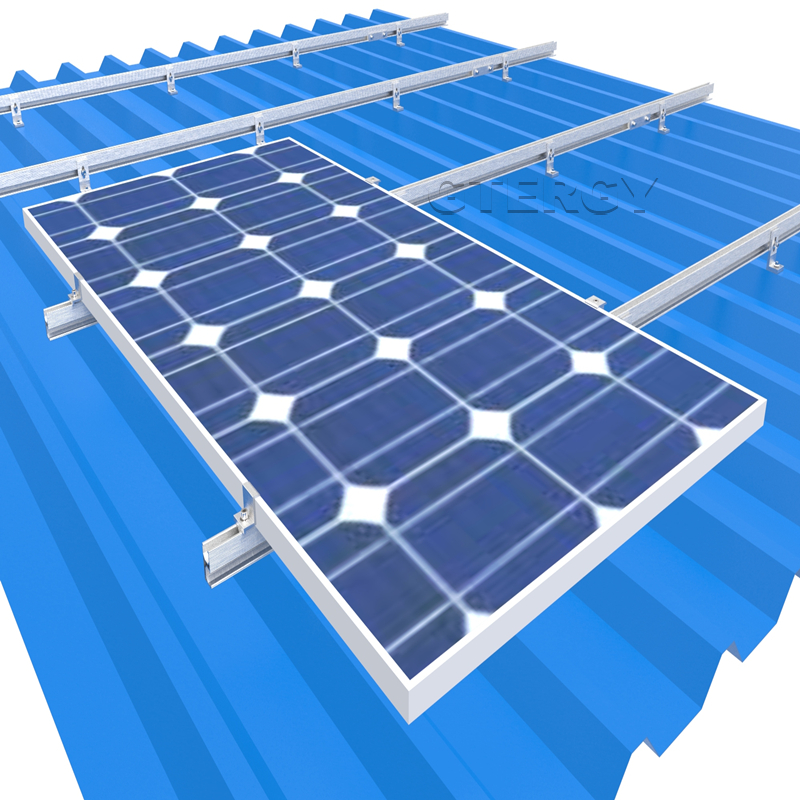
Installing solar panel on a metal roof may be the best option for a solar energy system that can make your initial investment more efficient than you think. It considered to be the most suitable type of roof for installing so
View more
Solar Adjustable Mounting System
GTERGY Solar Panel Adjustable Mounting Systems is applicable for tin rooftop and concrete flat open space mounted. It can connect with aluminum profile or directly fasten it with the solar modules. The adjustable mount kits r
View more
Solar Asphalt Roof Mounting System
GTENGY provide a range of quick install and durable mounting accessories for Pitch Tile Solar Roof Mounting Systems. The primary aim of the system is to seamlessly blend solar technology with the existing roof structure, prov
View more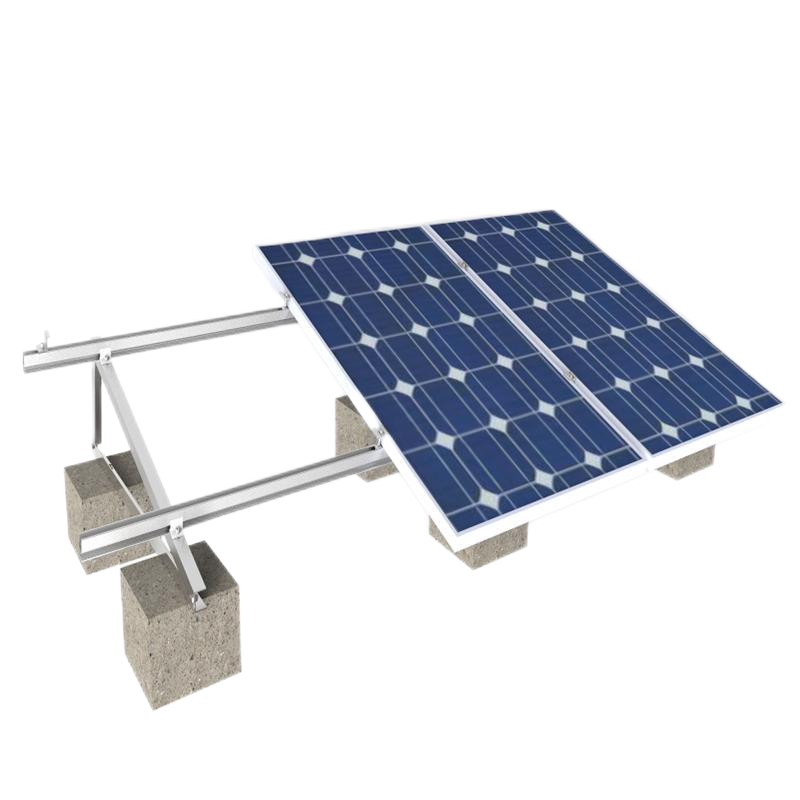
GTERGY Solar Flat Mounting Systems is applicable for concrete flat rooftop or open ground field, it can be divided into 2 kinds of solutions: one is fixed angle, we as per your project angle to custom made; the other is adjus
View more
Solar Metal Roof Mounting System
The GTERGY Solar Asphalt Shingle Mounting Systems is design for the asphalt rooftop sheet. Shingle flashing well waterproof and pretend leakage. Simple install, cost effective and durable asphalt roof mount kits popular with
View more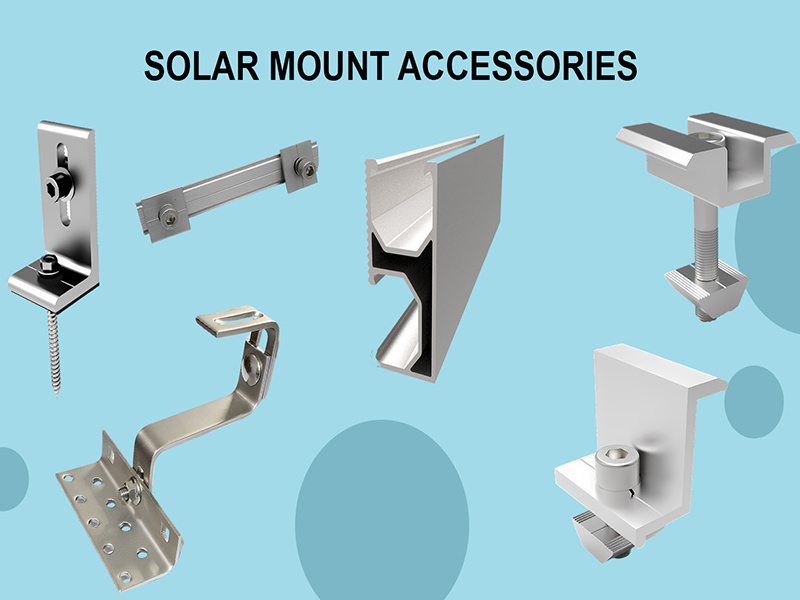
GTERGY offer a serious of Solar Mounting Accessories included solar profiles, solar rail splice, solar panel clamps, solar cable clips, solar grounding management systems clips...etc essential components that complement solar
View more
Solar Tile Roof Mounting System
GTERGY Solar Ground Mounting Bracket is applicable for open field, it can be installed for residential or large commercial scale solar projects. It is designed for quick installation and provide a safe and efficient mounting
View more -
The Ultimate Guide to Installing Rail Splice Kits for Photovoltaic Mounting Systems
2025-06-09
The Ultimate Guide to Installing Rail Splice Kits for Photovoltaic Mounting Systems
Table of Contents
- 1. Introduction to Rail Splice Kits and Photovoltaic Mounting Systems
- 2. Understanding Rail Splice Kits
- 3. Importance of Correct Installation
- 4. Essential Tools and Materials for Installation
- 5. Step-by-Step Installation Process
- 6. Common Mistakes and How to Avoid Them
- 7. Maintenance and Inspection of Rail Splice Kits
- 8. Conclusion
- 9. FAQs about Rail Splice Kits
1. Introduction to Rail Splice Kits and Photovoltaic Mounting Systems
The rapid growth of the solar energy sector has led to a surge in the demand for reliable and efficient mounting systems. Among these, **rail splice kits** play a crucial role in ensuring the structural integrity and stability of photovoltaic (PV) systems. Understanding how to install these kits correctly is vital for maximizing the performance and longevity of solar panels. This guide aims to equip you with the knowledge and skills necessary for a successful installation.
2. Understanding Rail Splice Kits
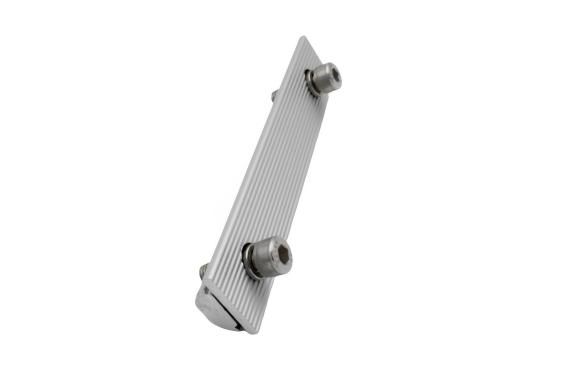
Rail splice kits are designed to connect two or more mounting rails in photovoltaic installations, providing additional support and stability. These components are critical for areas that require extended mounting lengths, enhancing the overall strength of the system. Typically made from aluminum or galvanized steel, rail splice kits are designed to withstand various environmental stresses while ensuring the PV modules remain securely in place.
3. Importance of Correct Installation
The correct installation of rail splice kits is paramount for several reasons:
- **Structural Integrity**: Properly installed splice kits ensure that the mounting system can bear the weight of solar panels and resist external forces such as wind and snow.
- **Safety**: An improper installation can lead to equipment failure, posing safety risks to personnel and damaging property.
- **System Efficiency**: A well-designed and installed mounting system maximizes solar exposure and energy generation, thus enhancing the return on investment for solar projects.
4. Essential Tools and Materials for Installation
Before starting the installation process, gather the following tools and materials:
- **Tools**:
- Torque wrench
- Drill and drill bits
- Screwdrivers (flathead and Phillips)
- Level
- Measuring tape
- Safety goggles and gloves
- **Materials**:
- Rail splice kits (ensure compatibility with your mounting system)
- Mounting rails
- Bolts, nuts, and washers (as per manufacturer specifications)
- Sealant (if required)
5. Step-by-Step Installation Process
Let’s break down the installation process into manageable steps for clarity and effectiveness.
5.1 Pre-Installation Considerations
Before beginning the installation, consider the following:
1. **Site Assessment**: Evaluate the installation site for potential obstacles, shading, or structural concerns.
2. **Manufacturer Guidelines**: Always consult the manufacturer’s instructions for specific details related to the splice kit and mounting system.
3. **Safety Measures**: Ensure all safety precautions are in place, including using PPE (personal protective equipment) and adhering to local regulations.
5.2 Actual Installation Steps
Follow these steps for the installation of rail splice kits:
1. **Prepare the Rails**: Ensure that the mounting rails are clean and free from debris. Measure the spacing for the splice installation according to the manufacturer’s specifications.
2. **Position the Splice Kit**: Align the splice kit between the two mounting rails where they connect. The splice should be centered and positioned according to the manufacturer's instructions.
3. **Secure the Splice Kit**: Using bolts, nuts, and washers, secure the splice kit to the mounting rails. Ensure that you follow the recommended torque specifications to avoid over-tightening.
4. **Check Alignment**: Use a level to verify that the splice connection is straight and properly aligned. Adjust as necessary.
5. **Sealing**: If your installation requires it, apply a sealant to prevent water ingress around the splice area.
6. **Final Inspection**: Once all components are secured, conduct a thorough inspection to ensure everything is installed correctly and securely.
6. Common Mistakes and How to Avoid Them
During installation, several common mistakes can occur:
- **Ignoring Manufacturer Instructions**: Always adhere to the manufacturer’s guidelines, as different systems may have unique requirements.
- **Improper Torque Settings**: Using incorrect torque can lead to loose connections or rail damage. Always use a torque wrench to follow specified settings.
- **Skipping Site Assessment**: Failing to assess the site beforehand can result in unforeseen challenges during installation.
- **Inadequate Sealing**: Neglecting to seal splice areas can lead to moisture infiltration, risking corrosion and structural integrity.
7. Maintenance and Inspection of Rail Splice Kits
Regular maintenance and inspections are essential for ensuring the longevity of rail splice kits:
- **Routine Checks**: Conduct inspections every six months to check for loose bolts, corrosion, and structural integrity.
- **Cleaning**: Remove any debris that may accumulate around the splice area to prevent moisture retention and corrosion.
- **Prompt Repairs**: Address any issues immediately to prevent further damage or system failure.
8. Conclusion
Installing rail splice kits for photovoltaic mounting systems is a critical aspect of ensuring the performance and safety of solar installations. By following the detailed steps and practices outlined in this guide, you can achieve a secure and efficient installation that enhances the overall effectiveness of your solar energy project. Proper preparation, attention to detail, and ongoing maintenance are key to maximizing the benefits of your photovoltaic system.
9. FAQs about Rail Splice Kits
1. What are rail splice kits used for in photovoltaic systems?
Rail splice kits connect multiple mounting rails, providing additional support and stability to solar panel installations.
2. How do I choose the right rail splice kit?
Select a splice kit that is compatible with your mounting system and meets the load requirements specified by the manufacturer.
3. Is professional installation necessary for rail splice kits?
While experienced DIYers can install these kits, professional installation may be advisable for complex systems or to ensure compliance with local codes.
4. How often should I inspect my rail splice kits?
It is recommended to inspect your rail splice kits at least twice a year to ensure they remain secure and in good condition.
5. What should I do if I find a problem during inspection?
If you encounter any issues, such as loose bolts or corrosion, address them immediately by tightening, repairing, or replacing affected components.
By adhering to the guidelines provided in this comprehensive guide, we believe you can confidently tackle the installation of rail splice kits in photovoltaic mounting systems, ensuring optimal performance and safety.
Related Information
CONTACT US
mail: info@gtergy.com
Tel:86-5926061498
Fax: 86-5926289378
Add: 399 Jinyuan West 2nd Road, Jimei
District, Xiamen, China
Copyright © 2023 Xiamen Greatest Energy Technology Co., Ltd All rights reserved. Powered by www.300.cn
SAF Coolest v1.3 设置面板 ZASSX-ZOWA-AQSDE-ZSS
无数据提示
Sorry, There Is Currently No Content In The Column!
You can view other columns or return to Home