


-
-
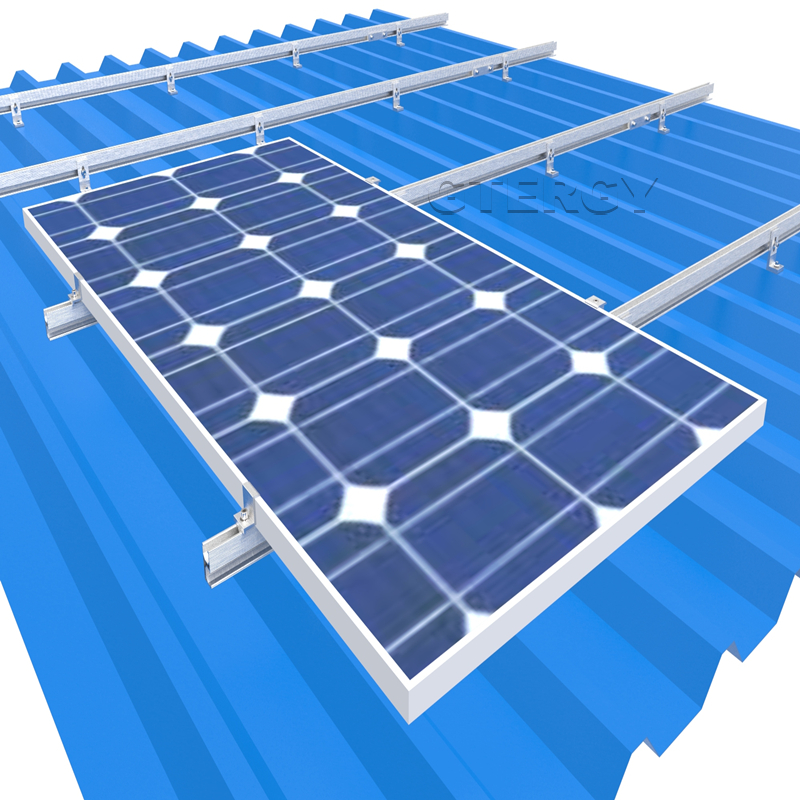
Aluminum Solar Ground Mounting System
Installing solar panel on a metal roof may be the best option for a solar energy system that can make your initial investment more efficient than you think. It considered to be the most suitable type of roof for installing so
View more
Solar Adjustable Mounting System
GTERGY Solar Panel Adjustable Mounting Systems is applicable for tin rooftop and concrete flat open space mounted. It can connect with aluminum profile or directly fasten it with the solar modules. The adjustable mount kits r
View more
Solar Asphalt Roof Mounting System
GTENGY provide a range of quick install and durable mounting accessories for Pitch Tile Solar Roof Mounting Systems. The primary aim of the system is to seamlessly blend solar technology with the existing roof structure, prov
View more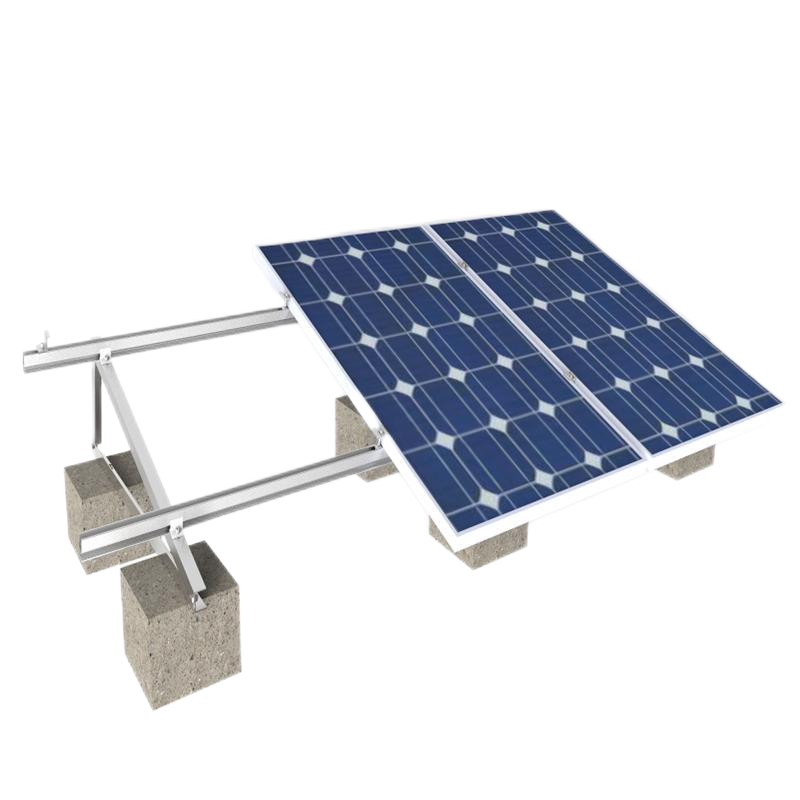
GTERGY Solar Flat Mounting Systems is applicable for concrete flat rooftop or open ground field, it can be divided into 2 kinds of solutions: one is fixed angle, we as per your project angle to custom made; the other is adjus
View more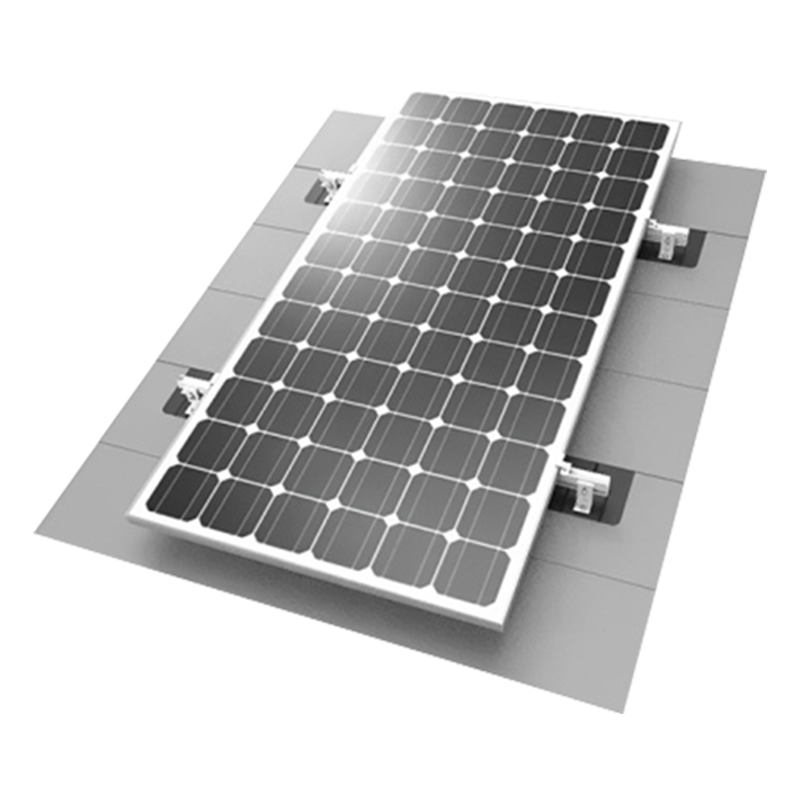
Solar Metal Roof Mounting System
The GTERGY Solar Asphalt Shingle Mounting Systems is design for the asphalt rooftop sheet. Shingle flashing well waterproof and pretend leakage. Simple install, cost effective and durable asphalt roof mount kits popular with
View more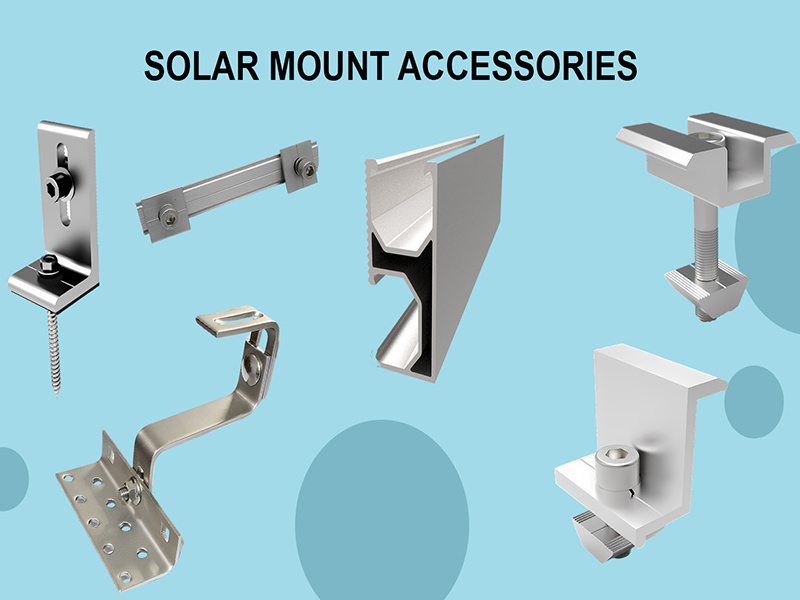
GTERGY offer a serious of Solar Mounting Accessories included solar profiles, solar rail splice, solar panel clamps, solar cable clips, solar grounding management systems clips...etc essential components that complement solar
View more
Solar Tile Roof Mounting System
GTERGY Solar Ground Mounting Bracket is applicable for open field, it can be installed for residential or large commercial scale solar projects. It is designed for quick installation and provide a safe and efficient mounting
View more -

Securing Your Investment: The Critical Role of High-Quality Solar Panel Clamps in Sustainable Energy
2025-10-11
Securing Your Investment: The Importance of High-Quality Solar Panel Clamps
Introduction to Solar Panel Clamps
In the realm of solar energy, the components that hold your investment together are often overlooked. **Solar panel clamps** are critical hardware that ensures the stability and efficiency of solar installations. These seemingly small components play a vital role in securing solar panels to their mounts, effectively safeguarding the entire solar system from environmental factors.
The Role of Solar Panel Clamps in Energy Efficiency
A robust solar panel installation does more than just capture sunlight; it needs to operate at peak efficiency. **High-quality solar panel clamps** contribute significantly to this efficiency. Here’s how:
1. Stability Against Wind and Weather Conditions
Solar panels are exposed to various weather conditions, including heavy winds, rain, and snow. Quality clamps ensure that the panels remain securely fastened to their mounts, thereby preventing any movement that could lead to misalignment and decreased energy output.
2. Prevention of Damage and Wear
Investing in quality solar panel clamps means investing in the longevity of your solar system. Inferior clamps may corrode, rust, or fail under pressure, leading to potential damage to the panels themselves. **High-quality materials** such as stainless steel or aluminum alloy are essential for ensuring durability and resistance to environmental wear.
Types of Solar Panel Clamps: What to Look For
When selecting solar panel clamps, it's crucial to understand the different types available and their specific applications.
1. Mid Clamps
Mid clamps are used to secure solar panels between other panels, providing stability and alignment. They are essential for ensuring that there are no gaps between the panels, which could reduce efficiency.
2. End Clamps
End clamps secure the outer edges of the solar panels. They play a crucial role in ensuring that the panels are firmly held in place, especially in areas exposed to high winds.
3. Ground Mount Clamps
For ground-mounted solar panels, specialized ground mount clamps are necessary. These clamps are designed to withstand the unique challenges presented by ground installations, including soil movement and dampness.
4. Adjustable Clamps
Adjustable clamps offer flexibility in installation. They allow for adjustments in panel positioning, which is particularly beneficial in cases where the mounting structure may not be perfectly level.
Key Materials for Solar Panel Clamps
The materials used in manufacturing solar panel clamps significantly influence their performance and durability. Here are some materials that stand out:
1. Aluminum
Aluminum is lightweight, corrosion-resistant, and offers excellent strength. These attributes make aluminum clamps a popular choice for many solar installations.
2. Stainless Steel
**Stainless steel clamps** provide high strength and are resistant to corrosion, making them ideal for coastal regions where salt spray could lead to rapid wear.
3. Plastic Composites
While not as common as metal options, plastic composite clamps can be effective in specific applications. They are lightweight and resistant to corrosion but may not offer the same level of strength as metal clamps.
Why Quality Matters: The Risks of Cheap Solar Panel Clamps
Opting for inexpensive, low-quality clamps can lead to significant risks, impacting not only the performance of your solar system but also its lifespan.
1. Increased Maintenance Costs
Cheap clamps may require frequent replacements or adjustments, leading to increased maintenance costs over time.
2. Reduced Energy Output
If clamps fail, panels may shift or become misaligned, resulting in reduced energy production. This lost output can take years to recover financially.
3. Damage to Panels
Subpar clamps can lead to physical damage to solar panels, including cracks or scratches, which can further diminish their efficiency and lifespan.
Installation Tips for Solar Panel Clamps
Proper installation of solar panel clamps is critical to maximizing their effectiveness. Here are some **best practices**:
1. Follow Manufacturer Guidelines
Each manufacturer provides specific guidelines for installation. Adhering to these ensures optimal performance and warranty coverage.
2. Use of Correct Tools
Utilizing the appropriate tools during installation can prevent damage to clamps and panels. Ensure that all tools are suitable for the materials and construction of the components.
3. Regular Inspections
Schedule regular inspections of your solar installation to check for signs of wear or damage in the clamps. Early detection can prevent more significant issues later.
Investing in Quality: Cost vs. Value
While it may be tempting to save money by purchasing cheaper clamps, it’s crucial to consider the long-term value. **High-quality solar panel clamps** might involve a higher initial investment, but they offer significant returns in terms of durability, efficiency, and reduced maintenance costs.
1. Long-Term Savings
Investing in quality often translates to lower long-term costs associated with repairs, replacements, and inefficiencies.
2. Enhanced Performance
Quality clamps contribute to improved energy performance, meaning your investment in solar energy pays off more quickly.
FAQs About Solar Panel Clamps
1. How do I know if my solar panel clamps are of good quality?
To assess the quality of clamps, look for certifications, material specifications, and manufacturer reputation. High-quality clamps should be made from durable materials like stainless steel or aluminum.
2. Can I use any clamps for my solar panels?
No, using the right type of clamps designed for your specific solar panel type and mounting system is crucial for safety and efficiency.
3. How often should I inspect my solar panel clamps?
It is advisable to inspect your clamps at least once a year, or more frequently if you live in an area with severe weather conditions.
4. What happens if my clamps fail?
Failure of clamps can lead to misalignment of panels, damage to the panels, and decreased energy production, which could affect your return on investment.
5. Are there warranties on solar panel clamps?
Many manufacturers offer warranties on their solar panel clamps, typically ranging from 5 to 20 years, depending on the quality and brand.
Conclusion
Investing in **high-quality solar panel clamps** is essential for anyone looking to secure their investment in solar energy. These components not only ensure stability and performance but also contribute to the longevity and efficiency of your solar installation. By understanding the different types of clamps, the materials used, and the importance of quality, you can make informed decisions that will protect your investment and maximize your energy output for years to come.
Related Information
CONTACT US
mail: info@gtergy.com
Tel:86-5926061498
Fax: 86-5926289378
Add: 399 Jinyuan West 2nd Road, Jimei
District, Xiamen, China
Copyright © 2023 Xiamen Greatest Energy Technology Co., Ltd All rights reserved. Powered by www.300.cn
SAF Coolest v1.3 设置面板 ZASSX-ZOWA-AQSDE-ZSS
无数据提示
Sorry, There Is Currently No Content In The Column!
You can view other columns or return to Home