


-
-
Aluminum Solar Ground Mounting System
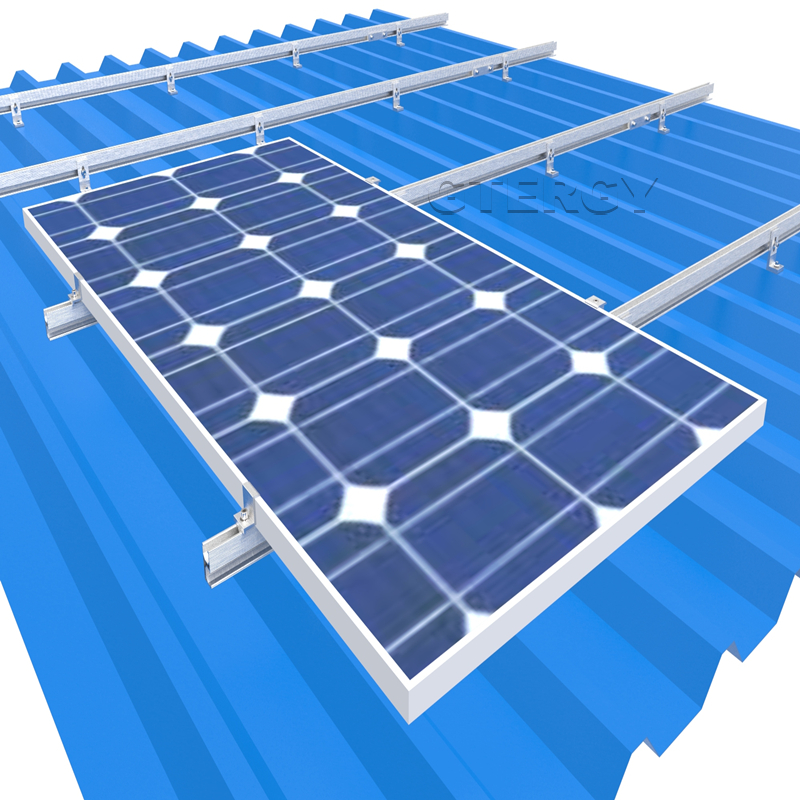
Installing solar panel on a metal roof may be the best option for a solar energy system that can make your initial investment more efficient than you think. It considered to be the most suitable type of roof for installing so
View more
Solar Adjustable Mounting System
GTERGY Solar Panel Adjustable Mounting Systems is applicable for tin rooftop and concrete flat open space mounted. It can connect with aluminum profile or directly fasten it with the solar modules. The adjustable mount kits r
View more
Solar Asphalt Roof Mounting System
GTENGY provide a range of quick install and durable mounting accessories for Pitch Tile Solar Roof Mounting Systems. The primary aim of the system is to seamlessly blend solar technology with the existing roof structure, prov
View more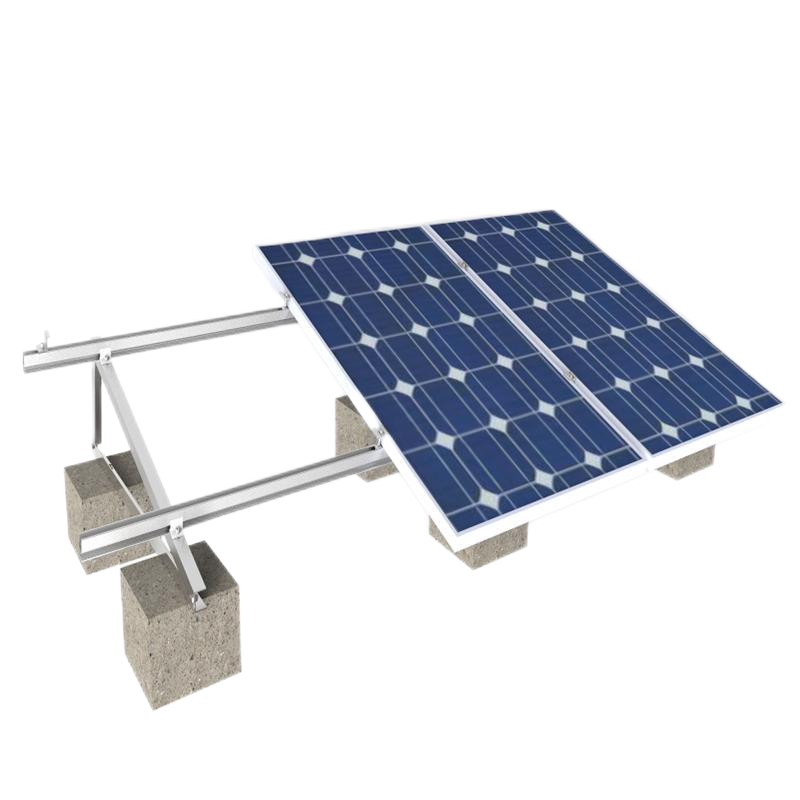
GTERGY Solar Flat Mounting Systems is applicable for concrete flat rooftop or open ground field, it can be divided into 2 kinds of solutions: one is fixed angle, we as per your project angle to custom made; the other is adjus
View more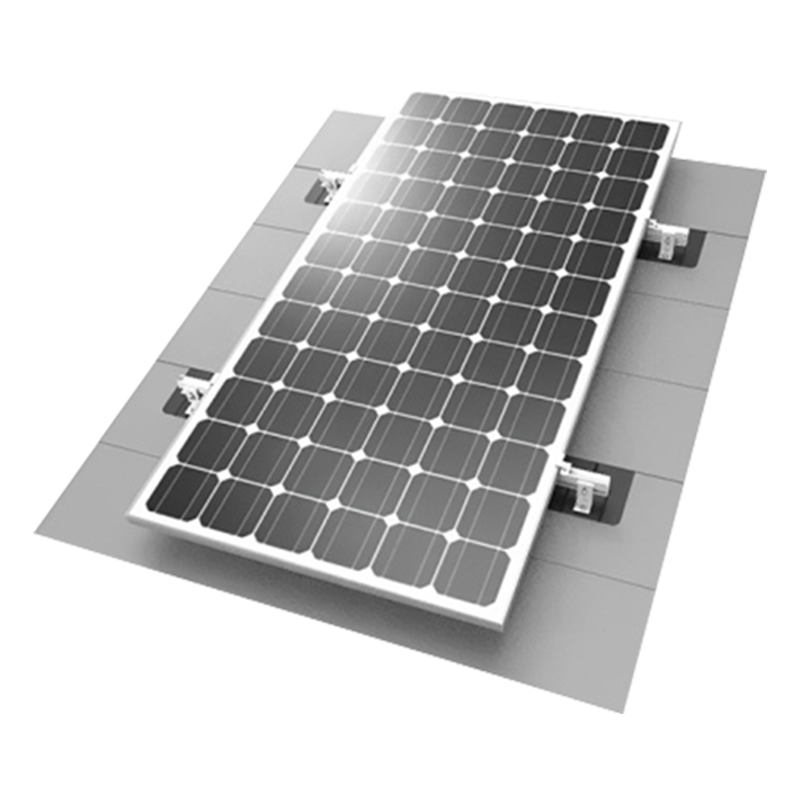
Solar Metal Roof Mounting System
The GTERGY Solar Asphalt Shingle Mounting Systems is design for the asphalt rooftop sheet. Shingle flashing well waterproof and pretend leakage. Simple install, cost effective and durable asphalt roof mount kits popular with
View more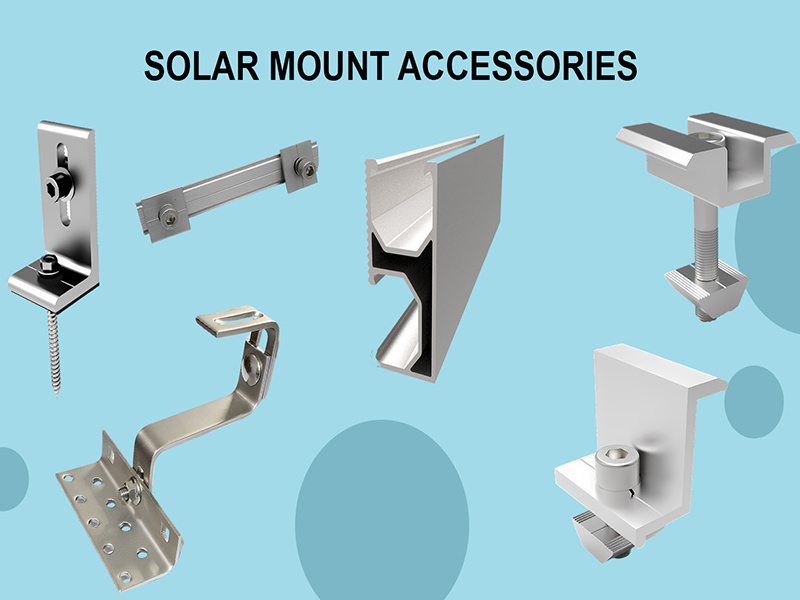
GTERGY offer a serious of Solar Mounting Accessories included solar profiles, solar rail splice, solar panel clamps, solar cable clips, solar grounding management systems clips...etc essential components that complement solar
View more
Solar Tile Roof Mounting System
GTERGY Solar Ground Mounting Bracket is applicable for open field, it can be installed for residential or large commercial scale solar projects. It is designed for quick installation and provide a safe and efficient mounting
View more -

Discover the Best Solar Panel Mounting Solutions for Your Industrial Equipment
2025-10-25
Discover the Best Solar Panel Mounting Solutions for Your Industrial Equipment
In today’s rapidly evolving energy landscape, the demand for solar energy solutions has never been higher. As industries seek to reduce their carbon footprint and lower energy costs, the need for efficient and reliable solar panel mounting systems becomes paramount. In this comprehensive guide, we delve into the various solar panel mounting solutions available for industrial equipment, exploring their benefits, installation techniques, and materials used.
Table of Contents
- Introduction to Solar Mounting Solutions
- Types of Solar Panel Mounts
- Benefits of Using Solar Mounts
- Material Considerations for Solar Mounts
- Installation Process for Solar Mounts
- Maintenance of Solar Panel Mounts
- Choosing the Right Solar Mounting Solution
- Conclusion
- FAQs
Introduction to Solar Mounting Solutions
Solar panel mounting solutions are essential components of any solar energy system. They provide the necessary support and positioning for solar panels, ensuring optimal sun exposure and energy generation. In industrial settings, these mounts must be robust and adaptable to various environmental conditions. Understanding the available mounting solutions is crucial for making informed decisions that enhance energy efficiency and system longevity.
Types of Solar Panel Mounts
Choosing the right type of solar panel mount is critical for maximizing energy production. Here, we categorize the most common types of mounts used in industrial applications:
Fixed Mounts
Fixed mounts are the simplest type of mounting solutions, securely holding solar panels at a predetermined angle. They are highly durable and require minimal maintenance. Fixed mounts work best in locations where sunlight exposure is consistent and do not necessitate frequent adjustments.
Adjustable Mounts
Adjustable mounts allow for changes in the angle of the solar panels throughout the year. This flexibility can significantly enhance energy production as the panels can be tilted towards the sun's position. These mounts are ideal for regions with varying sun angles or seasonal changes in sunlight.
Tracking Systems
Tracking systems are advanced mounting solutions that automatically follow the sun’s trajectory across the sky. These systems can increase energy capture by up to 25% compared to fixed mounts. While they are more expensive and complex to install, the return on investment can justify the initial cost, especially in large-scale industrial applications.
Benefits of Using Solar Mounts
Installing the right solar mounts offers several advantages:
- Enhanced Energy Efficiency: Properly positioned solar panels maximize sun exposure, leading to increased energy generation.
- Durability: Quality mounts withstand harsh weather conditions, ensuring long-term performance.
- Cost Savings: By lowering energy costs, solar mounts provide a return on investment over time.
- Environmental Impact: Utilizing solar energy reduces reliance on fossil fuels, contributing to sustainability efforts.
Material Considerations for Solar Mounts
The materials used in constructing solar mounts can significantly impact their durability and performance. Here are some common materials:
Aluminum
Aluminum is lightweight, corrosion-resistant, and easy to work with, making it a popular choice for solar mounts. Its durability ensures long-lasting performance in various weather conditions.
Steel
Steel mounts offer significant strength and stability. While heavier than aluminum, galvanized steel is often used for its resistance to rust and corrosion, making it suitable for harsh environments.
Plastic and Composite Materials
Plastic and composite mounts are typically lightweight and resistant to corrosion. While they may not offer the same strength as metal options, they are suitable for specific applications where weight is a consideration.
Installation Process for Solar Mounts
Installing solar mounts requires careful planning and execution. Here’s an overview of the typical installation process:
Site Assessment
Before installation, conduct a thorough site assessment to evaluate sun exposure, terrain, and any potential obstructions. This assessment will inform the selection of the appropriate mounting system.
Preparation
Prepare the site by clearing debris and leveling the ground as needed. This ensures a solid foundation for the mounts and solar panels.
Mount Assembly
Follow the manufacturer’s instructions to assemble the solar mounts. Ensure that all components are securely fastened and aligned.
Panel Installation
Once the mounts are in place, carefully install the solar panels. Secure them according to the system specifications, ensuring proper wiring and connections.
Final Inspection
After installation, conduct a final inspection to ensure everything is correctly set up. Test the system to verify that it functions as intended.
Maintenance of Solar Panel Mounts
Regular maintenance is crucial for ensuring the longevity and efficiency of solar panel mounts. Here are key maintenance tasks to consider:
Cleaning
Keep solar panels and mounts clean and free from debris. Dust, leaves, and snow can obstruct sunlight and reduce energy efficiency.
Inspection
Conduct periodic inspections of the mounting systems for any signs of wear or damage. Look for loose bolts, corrosion, or structural integrity issues.
Repairs
Address any maintenance issues promptly to prevent further damage. Replace worn-out components and ensure that the mounting systems remain secure.
Choosing the Right Solar Mounting Solution
Selecting the right solar mounting solution for your industrial equipment involves considering several factors:
Site Characteristics
Assess the specific characteristics of your installation site, including geographical location, roof type, and available space. These factors will influence the type of mount that is most appropriate.
Budget
Evaluate your budget for solar installation, including the costs associated with different mounting solutions. Consider the long-term savings versus the initial investment.
Energy Goals
Define your energy goals and requirements. Understanding your energy needs will help determine the number of solar panels required and the most efficient mounting system for your objectives.
Conclusion
In conclusion, selecting the best solar panel mounting solutions for your industrial equipment is essential for maximizing energy efficiency and ensuring the longevity of your solar installations. By understanding the different types of mounts, their benefits, and the materials used, you can make informed decisions that align with your energy goals. Regular maintenance and proper installation are crucial for maintaining optimal performance over time. Embrace the power of solar energy and invest in a sustainable future for your industrial operations.
FAQs
1. What are the best types of solar panel mounts for industrial use?
The best types of solar panel mounts for industrial use include fixed mounts, adjustable mounts, and tracking systems, depending on your energy needs and site conditions.
2. How do I maintain solar panel mounts?
Regular maintenance involves cleaning the solar panels, inspecting for wear and tear, and promptly addressing any issues to maintain efficiency.
3. Can I install solar mounts myself?
While some may choose to install solar mounts themselves, it is advisable to hire professionals to ensure proper installation and compliance with local codes.
4. What materials are commonly used for solar mounts?
Common materials for solar mounts include aluminum, galvanized steel, and composite materials, each offering different benefits regarding weight, durability, and cost.
5. How do solar tracking systems work?
Solar tracking systems automatically adjust the angle of solar panels throughout the day to follow the sun’s path, maximizing energy collection.
Related Information
CONTACT US
mail: info@gtergy.com
Tel:86-5926061498
Fax: 86-5926289378
Add: 399 Jinyuan West 2nd Road, Jimei
District, Xiamen, China
Copyright © 2023 Xiamen Greatest Energy Technology Co., Ltd All rights reserved. Powered by www.300.cn
SAF Coolest v1.3 设置面板 ZASSX-ZOWA-AQSDE-ZSS
无数据提示
Sorry, There Is Currently No Content In The Column!
You can view other columns or return to Home