


-
-
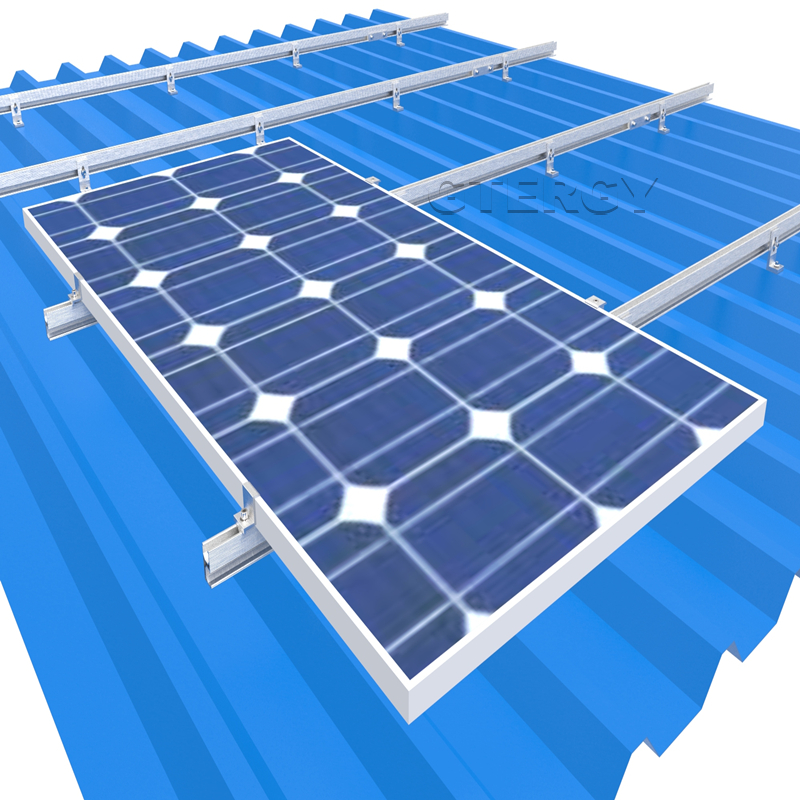
Aluminum Solar Ground Mounting System
Installing solar panel on a metal roof may be the best option for a solar energy system that can make your initial investment more efficient than you think. It considered to be the most suitable type of roof for installing so
View more
Solar Adjustable Mounting System
GTERGY Solar Panel Adjustable Mounting Systems is applicable for tin rooftop and concrete flat open space mounted. It can connect with aluminum profile or directly fasten it with the solar modules. The adjustable mount kits r
View more
Solar Asphalt Roof Mounting System
GTENGY provide a range of quick install and durable mounting accessories for Pitch Tile Solar Roof Mounting Systems. The primary aim of the system is to seamlessly blend solar technology with the existing roof structure, prov
View more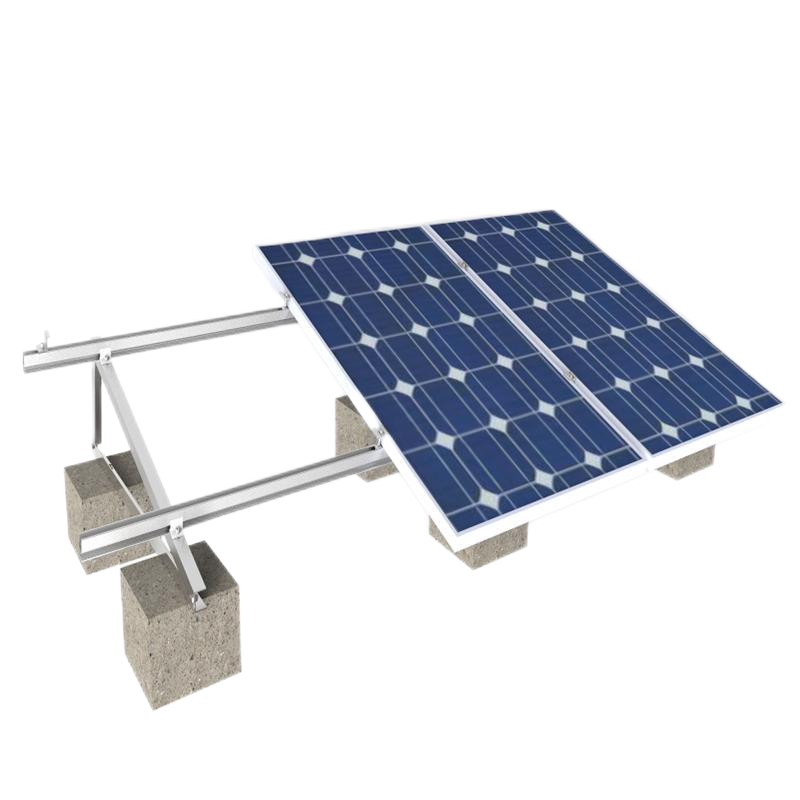
GTERGY Solar Flat Mounting Systems is applicable for concrete flat rooftop or open ground field, it can be divided into 2 kinds of solutions: one is fixed angle, we as per your project angle to custom made; the other is adjus
View more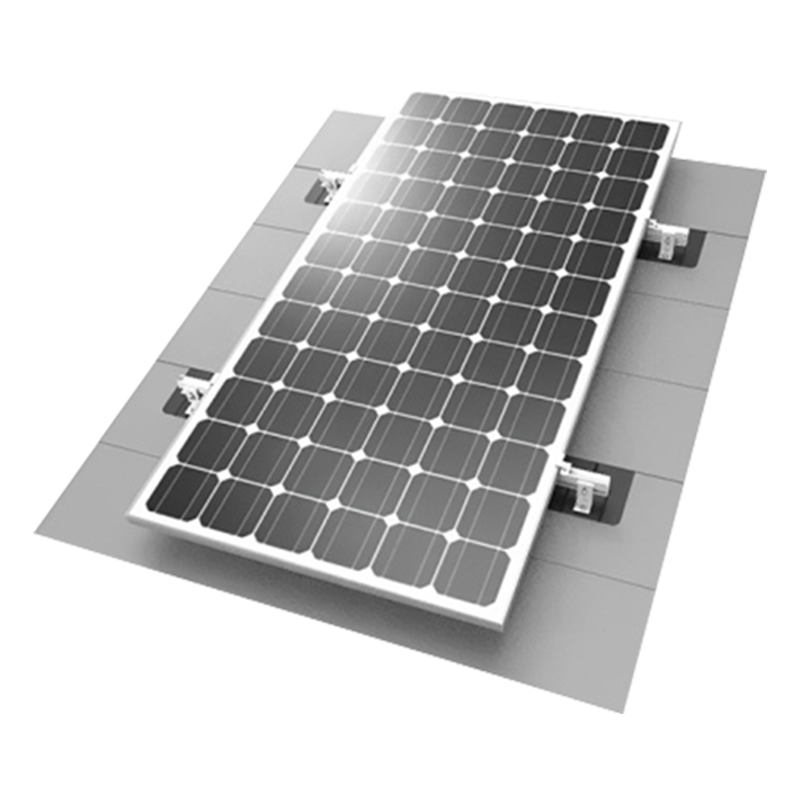
Solar Metal Roof Mounting System
The GTERGY Solar Asphalt Shingle Mounting Systems is design for the asphalt rooftop sheet. Shingle flashing well waterproof and pretend leakage. Simple install, cost effective and durable asphalt roof mount kits popular with
View more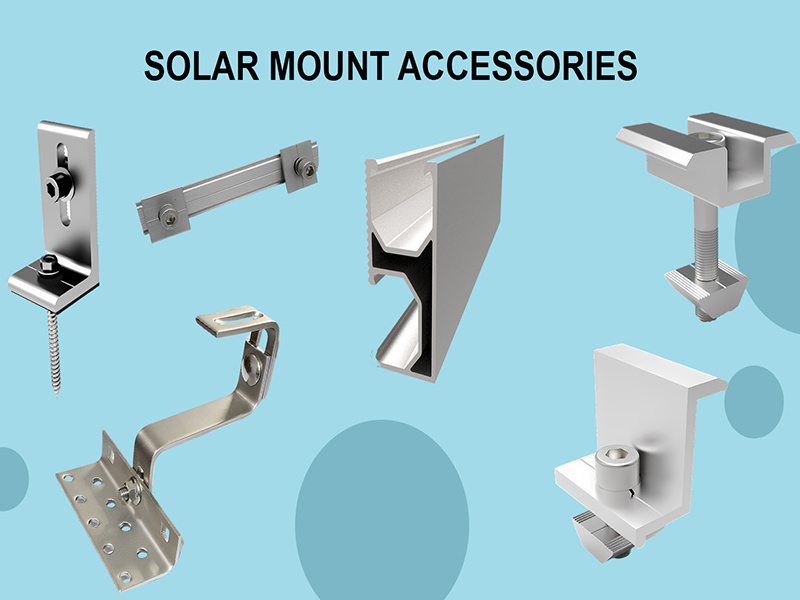
GTERGY offer a serious of Solar Mounting Accessories included solar profiles, solar rail splice, solar panel clamps, solar cable clips, solar grounding management systems clips...etc essential components that complement solar
View more
Solar Tile Roof Mounting System
GTERGY Solar Ground Mounting Bracket is applicable for open field, it can be installed for residential or large commercial scale solar projects. It is designed for quick installation and provide a safe and efficient mounting
View more -

Quality Assurance: Selecting Certified PV Mounting Rails for Reliability
2025-11-16
Quality Assurance: Selecting Certified PV Mounting Rails for Reliability
Introduction to PV Mounting Rails
In the realm of renewable energy, **photovoltaic (PV) mounting rails** play an essential role in the effectiveness and longevity of solar energy systems. These critical components support solar panels and ensure that they are securely affixed to rooftops or ground installations. The reliability of these mounting systems is paramount; therefore, choosing **certified PV mounting rails** is a key factor in ensuring overall system performance. This article will guide you through the intricacies of selecting mounting rails while emphasizing quality assurance and certification.
Why Quality Assurance Matters in PV Mounting Rails
Quality assurance (QA) is a systematic process that guarantees the integrity and performance of a product throughout its lifecycle. In the context of PV mounting rails, QA involves various testing and certification standards that these components must meet. Selecting certified products helps mitigate risks associated with structural failure, weather-related issues, and ultimately, ensures the reliability of solar energy systems.
Key Benefits of Quality Assurance in Solar Installation
1. **Enhanced Durability**: Certified mounting rails are designed to withstand extreme weather conditions such as heavy winds, snow, and rain.
2. **Improved Performance**: Quality assurance processes ensure that the mounting rails support optimal solar panel positioning and stability, improving energy efficiency.
3. **Safety Compliance**: Certified products comply with industry safety standards, reducing the risk of accidents or injuries associated with solar installations.
4. **Long-Term Cost Savings**: Investing in quality assured materials reduces maintenance costs and increases the lifespan of the solar system.
Understanding Certification Standards for PV Mounting Rails
When selecting PV mounting rails, it is vital to understand the various certification standards in the industry. These certifications not only serve as a quality benchmark but also indicate a product's reliability and performance capabilities.
Common Certification Standards
- **UL Certification**: Underwriters Laboratories (UL) provides rigorous tests to ensure that mounting rails can withstand environmental stresses.
- **ISO Certification**: The International Organization for Standardization (ISO) sets standards that focus on quality management systems and product reliability.
- **IEC Standards**: The International Electrotechnical Commission (IEC) offers standards that assess the performance and safety of solar components.
Understanding these certifications will help you make informed decisions when choosing mounting rails.
Factors to Consider When Selecting PV Mounting Rails
Selecting the right PV mounting rails involves various factors. Careful consideration of these aspects can significantly enhance the performance and reliability of your solar installations.
1. Material Quality
Materials used in mounting rails significantly affect their performance. Common materials include aluminum, stainless steel, and galvanized steel. Each comes with its own set of benefits:
- **Aluminum**: Lightweight, corrosion-resistant, and cost-effective.
- **Stainless Steel**: High strength and durability, ideal for harsh environments.
- **Galvanized Steel**: Provides corrosion resistance and robust structural integrity.
2. Load Capacity and Structural Integrity
Understanding the load capacity of mounting rails is crucial. They must support the weight of the solar panels and withstand environmental loads (e.g., wind, snow). Consult manufacturer specifications and testing results to ensure the chosen rails meet local building codes.
3. Installation Ease
The ease of installation can significantly affect project timelines and costs. Look for systems that offer straightforward installation processes, including clear instructions and compatible hardware.
4. Compatibility with Solar Panels
Not all mounting rails are compatible with every type of solar panel. Ensure that the selected rails are suitable for your specific solar panel model.
5. Warranty and Support
Reputable manufacturers typically offer warranties on their products. A robust warranty signifies confidence in the product's quality. Additionally, consider the level of customer support available from the manufacturer.
Evaluating Manufacturers: Key Considerations
The reputation and reliability of the manufacturer are crucial when selecting certified PV mounting rails.
1. Industry Experience
Choose manufacturers with a proven track record in the solar industry. Experienced companies are more likely to produce reliable products with established QA processes.
2. Customer Reviews and Testimonials
Check online reviews and testimonials from previous customers. Positive feedback can indicate product reliability and customer satisfaction.
3. Test Results and Documentation
Request test results and documentation showcasing the product's compliance with relevant standards. This evidence is critical in ensuring that the mounting rails are of high quality.
Installation Best Practices for Certified PV Mounting Rails
Proper installation of PV mounting rails is essential for the overall performance of solar energy systems.
1. Follow Manufacturer Guidelines
Always adhere to the installation guidelines provided by the manufacturer. These instructions are based on extensive testing and industry standards.
2. Ensure Structural Assessment
Before installation, conduct a thorough structural assessment of the site. This evaluation helps determine the best mounting strategy and ensures the integrity of the installation.
3. Regular Maintenance Checks
Schedule regular maintenance checks to ensure the mounting rails remain secure and in good condition. Inspect for signs of wear or corrosion and take appropriate action.
FAQs About Selecting Certified PV Mounting Rails
1. What are PV mounting rails?
PV mounting rails are structural components that support solar panels, ensuring they are securely anchored to rooftops or ground installations.
2. Why is certification important for PV mounting rails?
Certification ensures that the mounting rails meet specific safety and performance standards, providing reliability and durability in solar installations.
3. What materials are commonly used for PV mounting rails?
Common materials include aluminum, stainless steel, and galvanized steel, each offering distinct advantages in terms of strength and corrosion resistance.
4. How can I determine the right load capacity for mounting rails?
Review manufacturer specifications and consult local building codes to understand the weight and environmental loads that your mounting rails need to support.
5. What should I look for in a manufacturer of PV mounting rails?
Consider factors such as industry experience, customer reviews, test results, and warranty offerings when selecting a manufacturer.
Conclusion
Selecting certified PV mounting rails is an integral part of ensuring the reliability and effectiveness of solar energy systems. By understanding the importance of quality assurance, familiarizing yourself with certification standards, and considering key factors in your selection process, you can make informed decisions that enhance the durability and performance of your installations. Prioritizing quality not only protects your investment but also contributes to the overall success of your renewable energy initiatives. In the ever-evolving landscape of solar energy, choosing the right components is crucial for long-term sustainability and efficiency.
Related Information
CONTACT US
mail: info@gtergy.com
Tel:86-5926061498
Fax: 86-5926289378
Add: 399 Jinyuan West 2nd Road, Jimei
District, Xiamen, China
Copyright © 2023 Xiamen Greatest Energy Technology Co., Ltd All rights reserved. Powered by www.300.cn
SAF Coolest v1.3 设置面板 ZASSX-ZOWA-AQSDE-ZSS
无数据提示
Sorry, There Is Currently No Content In The Column!
You can view other columns or return to Home