


-
-
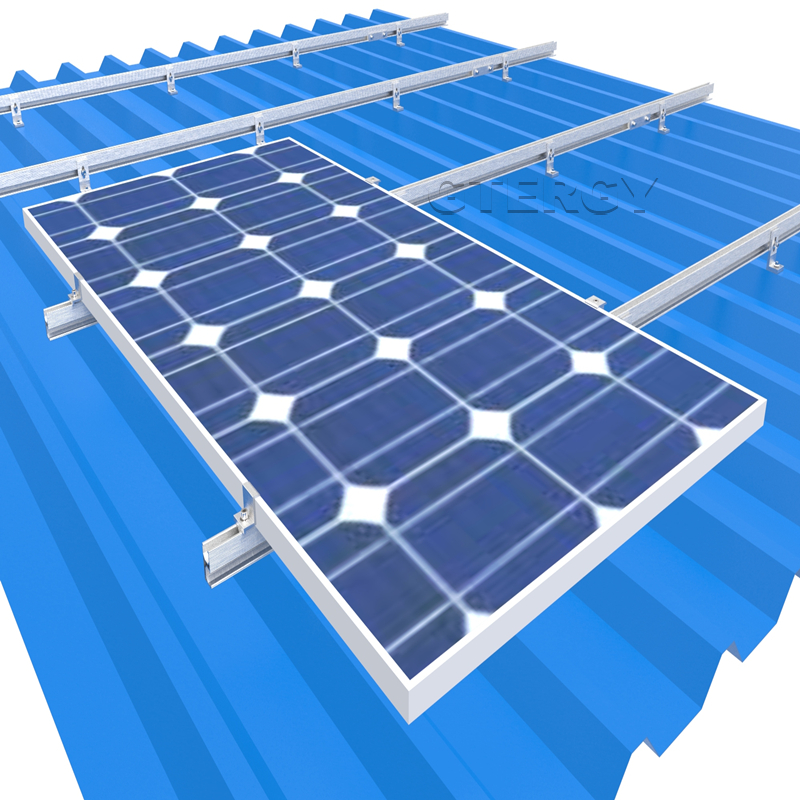
Aluminum Solar Ground Mounting System
Installing solar panel on a metal roof may be the best option for a solar energy system that can make your initial investment more efficient than you think. It considered to be the most suitable type of roof for installing so
View more
Solar Adjustable Mounting System
GTERGY Solar Panel Adjustable Mounting Systems is applicable for tin rooftop and concrete flat open space mounted. It can connect with aluminum profile or directly fasten it with the solar modules. The adjustable mount kits r
View more
Solar Asphalt Roof Mounting System
GTENGY provide a range of quick install and durable mounting accessories for Pitch Tile Solar Roof Mounting Systems. The primary aim of the system is to seamlessly blend solar technology with the existing roof structure, prov
View more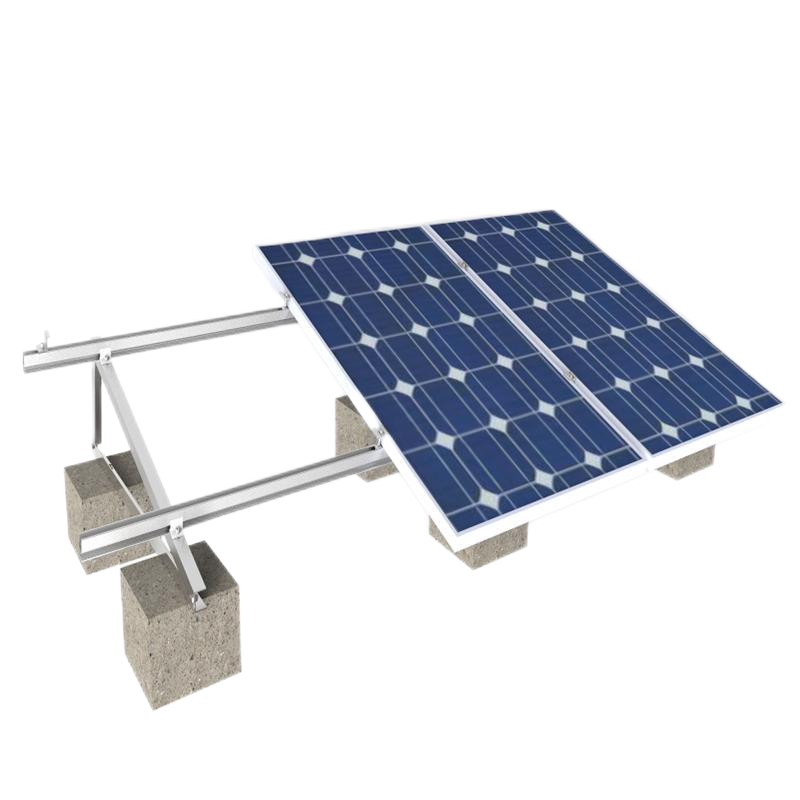
GTERGY Solar Flat Mounting Systems is applicable for concrete flat rooftop or open ground field, it can be divided into 2 kinds of solutions: one is fixed angle, we as per your project angle to custom made; the other is adjus
View more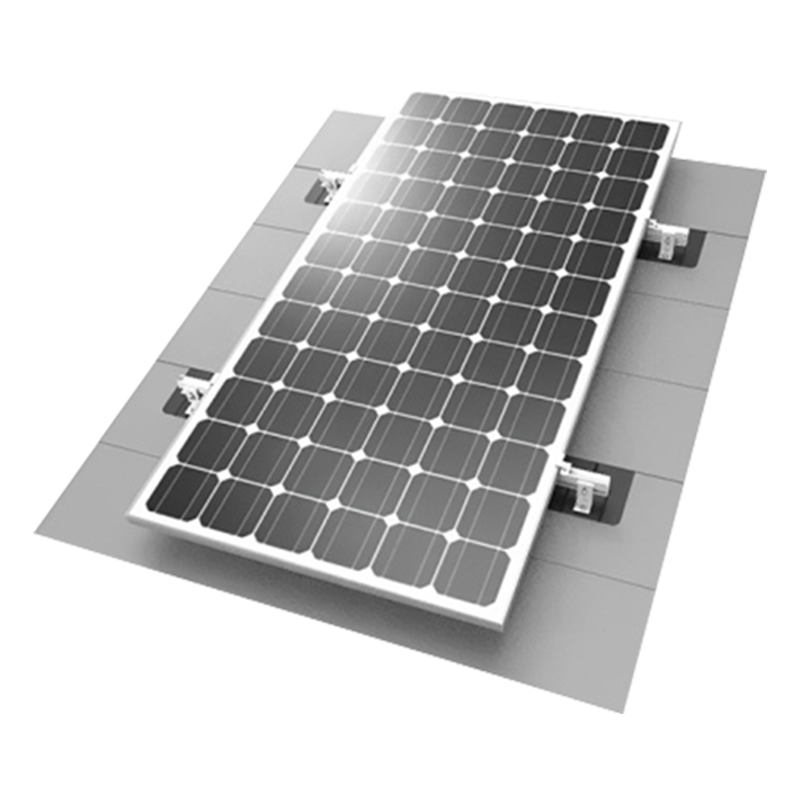
Solar Metal Roof Mounting System
The GTERGY Solar Asphalt Shingle Mounting Systems is design for the asphalt rooftop sheet. Shingle flashing well waterproof and pretend leakage. Simple install, cost effective and durable asphalt roof mount kits popular with
View more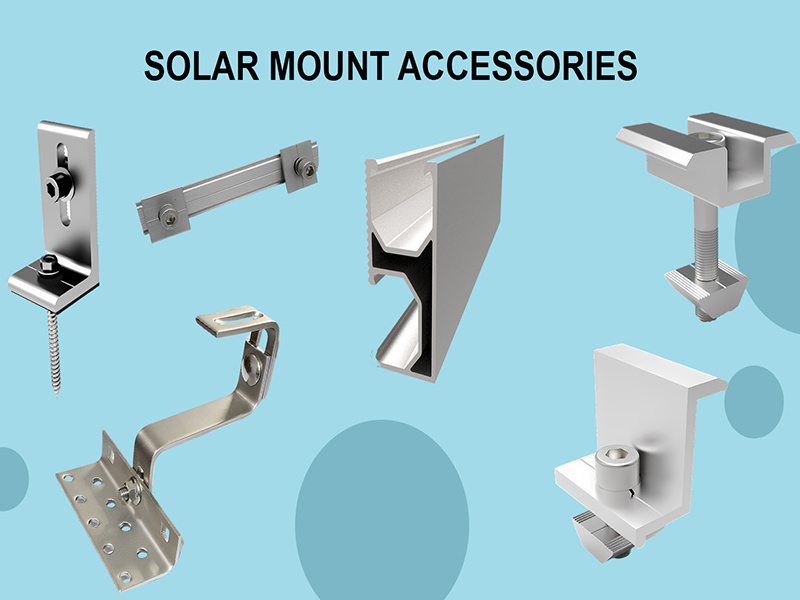
GTERGY offer a serious of Solar Mounting Accessories included solar profiles, solar rail splice, solar panel clamps, solar cable clips, solar grounding management systems clips...etc essential components that complement solar
View more
Solar Tile Roof Mounting System
GTERGY Solar Ground Mounting Bracket is applicable for open field, it can be installed for residential or large commercial scale solar projects. It is designed for quick installation and provide a safe and efficient mounting
View more -

Efficient Engineering: Designing Solar Systems with PV Mounting Rails in Mind
2025-11-22
Efficient Engineering: Designing Solar Systems with PV Mounting Rails in Mind
Table of Contents
- 1. Introduction to Solar System Design
- 2. Importance of PV Mounting Rails in Solar Systems
- 3. Types of PV Mounting Rails
- 4. Key Design Considerations for PV Mounting Rails
- 5. Installation Techniques for PV Mounting Rails
- 6. Maintenance and Inspections
- 7. Common Mistakes in Solar System Design
- 8. Future Trends in Solar Mounting Technology
- 9. FAQs
- 10. Conclusion
1. Introduction to Solar System Design
As the demand for renewable energy sources continues to rise, solar energy has emerged as a frontrunner in the quest for sustainable power solutions. Designing solar systems requires a meticulous approach, ensuring that all components work in harmony to optimize performance. At the heart of effective solar system design lies the crucial role of PV (photovoltaic) mounting rails. These components serve as the foundation for solar panels, providing stability and alignment to capture sunlight efficiently.
2. Importance of PV Mounting Rails in Solar Systems
PV mounting rails are not merely accessories; they are essential for the overall integrity and effectiveness of solar installations. Understanding their significance can greatly influence the success of solar projects.
2.1 Stability and Durability
**Stability** is paramount when it comes to solar installations. PV mounting rails anchor solar panels securely, preventing unwanted movement caused by wind, rain, or seismic activity. A well-designed mounting system minimizes the risk of panel detachment, ensuring long-term durability.
Materials used in mounting rails, such as aluminum and stainless steel, are known for their strength and resistance to corrosion. This longevity is essential for maintaining the efficiency of solar systems over decades, as poorly anchored panels can lead to costly repairs and replacements.
2.2 Maximizing Energy Output
The alignment of solar panels directly affects energy production. PV mounting rails facilitate precise positioning, allowing for optimal angles that capture maximum sunlight. When panels are correctly aligned, they can significantly enhance energy output, making efficient engineering crucial for solar system design.
Furthermore, adjustable mounting systems provide the flexibility to change the angle of the panels seasonally, ensuring that solar energy capture is maximized throughout the year. This adaptability can lead to increased energy yield, making the initial investment in quality mounting rails worthwhile.
3. Types of PV Mounting Rails
Understanding the different types of PV mounting rails available is essential for selecting the right option for your solar system. Each type has its own advantages and is suitable for varying installation environments.
3.1 Fixed Mounts
Fixed mounts are the simplest and most common type of PV mounting rails. They are designed to hold solar panels at a predetermined angle, typically fixed to the ground or a roof. **Advantages** of fixed mounts include lower costs and simpler installation processes, making them an attractive option for many residential and commercial projects.
3.2 Adjustable Mounts
Adjustable mounts allow for changes in the angle of solar panels, enabling users to optimize sunlight exposure throughout the year. While they require a more complex installation process, the potential increase in energy production can justify the investment, especially for large-scale solar farms.
3.3 Tracking Systems
Tracking systems represent the most advanced type of PV mounting rail. These systems automatically adjust the position of solar panels to follow the sun’s path across the sky. While they are the most expensive option, the increased energy output can be substantial, making them worthwhile for extensive solar installations.
4. Key Design Considerations for PV Mounting Rails
When designing solar systems with PV mounting rails, several critical factors need to be considered to ensure optimal performance and longevity.
4.1 Site Assessment
Conducting a thorough site assessment is the first step in effective solar system design. Factors such as shading from trees or buildings, geographical location, and local climate can all impact solar energy production.
Understanding these variables allows engineers to select the most suitable mounting system and determine the optimal positioning of solar panels.
4.2 Load Calculation
**Load calculation** is a crucial aspect of solar system design. Engineers must evaluate the weight of solar panels and the potential effects of environmental factors such as wind and snow loads on the mounting system.
This calculation ensures that the selected PV mounting rails can support the panels adequately, preventing structural failure and enhancing safety.
4.3 Wind and Snow Loads
Different geographic locations experience varying wind and snow loads, which directly affect the design and selection of PV mounting rails. Engineers must account for these loads during the design phase to ensure that the mounting system can withstand harsh weather conditions, thus maintaining the integrity and functionality of the solar installation.
5. Installation Techniques for PV Mounting Rails
Proper installation of PV mounting rails is vital for the effectiveness of solar systems. Following best practices during installation can significantly enhance performance and longevity.
**1. Pre-Installation Planning**: Thoroughly review the installation site and plan the layout before beginning. Mark the locations of mounting rails to ensure accurate placement.
**2. Use Quality Materials**: Invest in high-quality mounting rails made from durable materials to withstand environmental stressors.
**3. Follow Manufacturer Guidelines**: Adhere to the installation instructions provided by manufacturers to ensure proper assembly and anchoring.
**4. Regular Inspections**: Regularly inspect the installation for any signs of wear, corrosion, or damage, making necessary adjustments promptly.
6. Maintenance and Inspections
Routine maintenance of PV mounting rails is essential for long-term functionality. Regular inspections can identify issues before they escalate, ensuring consistent energy production.
**Key maintenance tasks include**:
- **Cleaning**: Remove debris and dirt from mounting rails and solar panels to maximize sunlight exposure.
- **Tightening Connections**: Periodically check and tighten all connections to prevent loosening over time.
- **Corrosion Checks**: Inspect for any signs of corrosion, particularly in coastal areas where salt can accelerate deterioration.
7. Common Mistakes in Solar System Design
Even seasoned engineers can make mistakes during solar system design. Being aware of common pitfalls can save time and resources.
**1. Overlooking Site Assessment**: Failing to conduct a comprehensive site assessment can lead to suboptimal panel positioning and reduced energy output.
**2. Ignoring Load Calculations**: Underestimating the weight and environmental loads can compromise the structural integrity of the installation.
**3. Skipping Maintenance**: Neglecting regular maintenance can lead to long-term performance issues and increased repair costs.
**4. Poor Material Selection**: Using low-quality materials can result in premature failure and increased long-term costs.
8. Future Trends in Solar Mounting Technology
As technology evolves, so does the field of solar mounting systems. Staying informed about upcoming trends can help engineers and designers adapt to new challenges and opportunities.
**1. Lightweight Materials**: The development of lighter and stronger materials will enhance the efficiency of PV mounting rails, making them easier to install and transport.
**2. Smart Mounting Systems**: The integration of sensors and smart technology will allow for real-time adjustments to optimize solar energy capture.
**3. Modular Designs**: Future designs may focus on modularity, enabling easier upgrades and scalability for growing solar farms.
9. FAQs
**Q1: What are the main benefits of using PV mounting rails?**
A1: PV mounting rails provide stability, enhance energy output, and extend the lifespan of solar panels by securely anchoring them in place.
**Q2: How do I choose the right type of PV mounting rail?**
A2: Consider the installation environment, budget, and energy output goals. Fixed mounts are cost-effective, while tracking systems maximize energy capture.
**Q3: What maintenance is required for PV mounting rails?**
A3: Regular inspections for wear and corrosion, cleaning panels, and ensuring tight connections are essential maintenance tasks.
**Q4: Can I install PV mounting rails myself?**
A4: While DIY installation is possible, hiring a professional ensures optimal installation and adherence to safety standards.
**Q5: How do weather conditions affect PV mounting systems?**
A5: Weather conditions, such as wind and snow, can impact the stability of mounting systems. Proper load calculations and material selection can mitigate these effects.
10. Conclusion
In conclusion, the design of solar systems with PV mounting rails in mind is a critical aspect of maximizing energy production and ensuring the longevity of solar installations. By understanding the importance of mounting rails, the types available, and key design considerations, engineers can create robust and efficient solar systems. Incorporating proper installation techniques and routine maintenance can further enhance the effectiveness of these systems. As technology continues to advance, staying informed about emerging trends will enable professionals to lead the way in solar energy innovation, ultimately contributing to a more sustainable future.
Related Information
CONTACT US
mail: info@gtergy.com
Tel:86-5926061498
Fax: 86-5926289378
Add: 399 Jinyuan West 2nd Road, Jimei
District, Xiamen, China
Copyright © 2023 Xiamen Greatest Energy Technology Co., Ltd All rights reserved. Powered by www.300.cn
SAF Coolest v1.3 设置面板 ZASSX-ZOWA-AQSDE-ZSS
无数据提示
Sorry, There Is Currently No Content In The Column!
You can view other columns or return to Home