


-
-
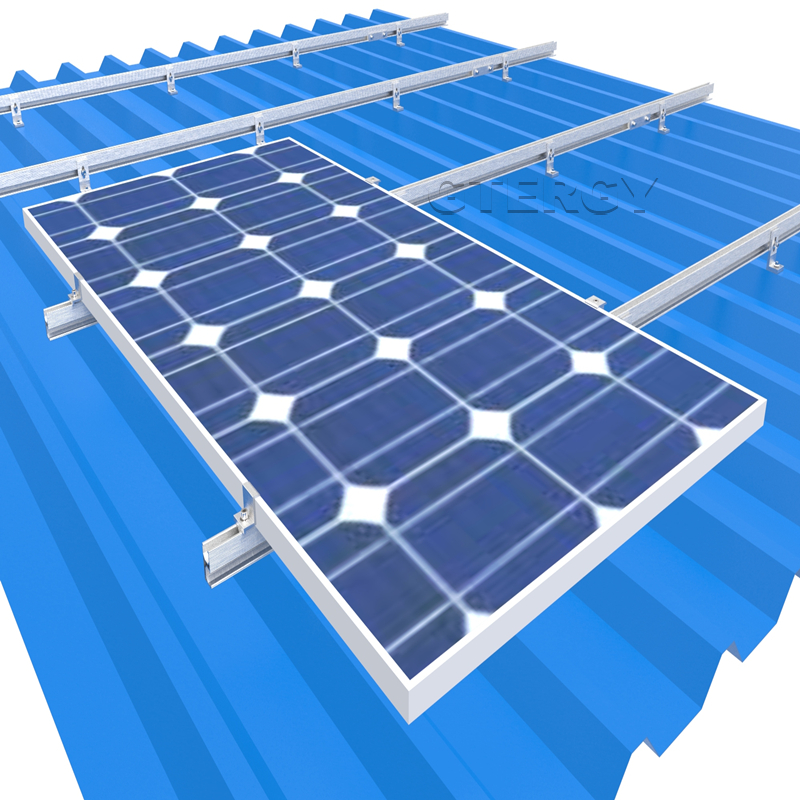
Aluminum Solar Ground Mounting System
Installing solar panel on a metal roof may be the best option for a solar energy system that can make your initial investment more efficient than you think. It considered to be the most suitable type of roof for installing so
View more
Solar Adjustable Mounting System
GTERGY Solar Panel Adjustable Mounting Systems is applicable for tin rooftop and concrete flat open space mounted. It can connect with aluminum profile or directly fasten it with the solar modules. The adjustable mount kits r
View more
Solar Asphalt Roof Mounting System
GTENGY provide a range of quick install and durable mounting accessories for Pitch Tile Solar Roof Mounting Systems. The primary aim of the system is to seamlessly blend solar technology with the existing roof structure, prov
View more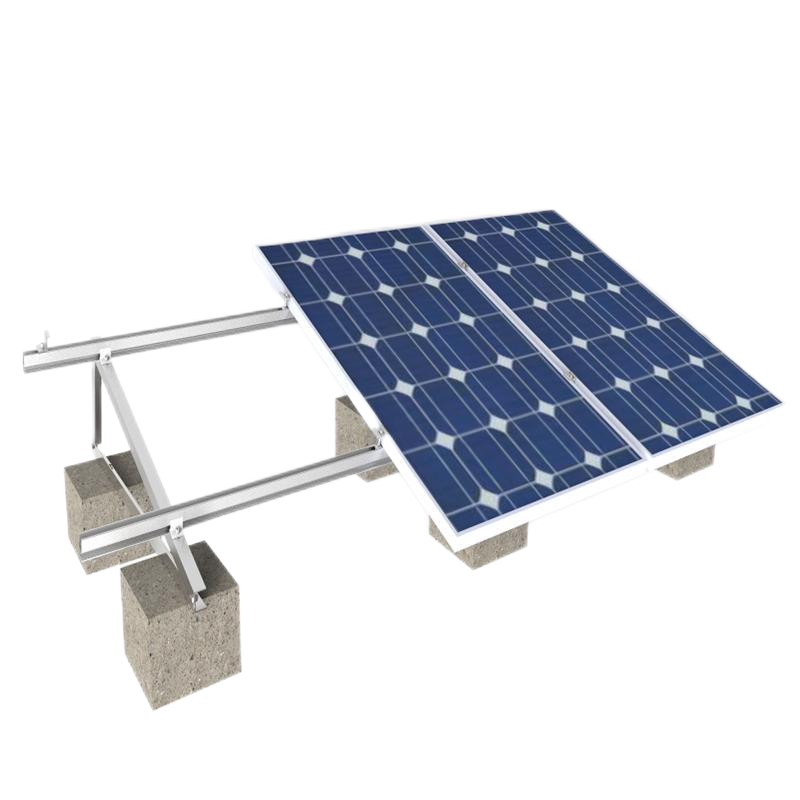
GTERGY Solar Flat Mounting Systems is applicable for concrete flat rooftop or open ground field, it can be divided into 2 kinds of solutions: one is fixed angle, we as per your project angle to custom made; the other is adjus
View more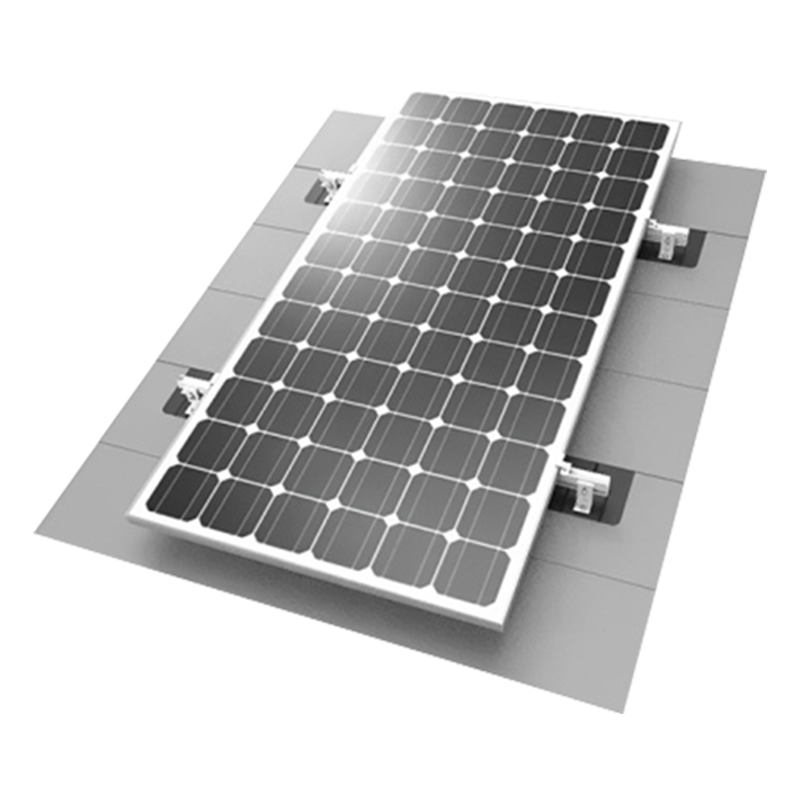
Solar Metal Roof Mounting System
The GTERGY Solar Asphalt Shingle Mounting Systems is design for the asphalt rooftop sheet. Shingle flashing well waterproof and pretend leakage. Simple install, cost effective and durable asphalt roof mount kits popular with
View more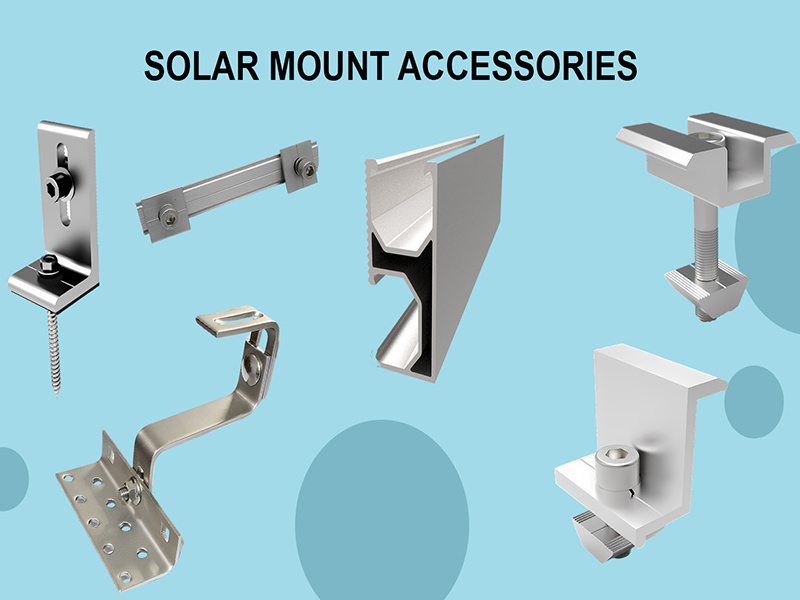
GTERGY offer a serious of Solar Mounting Accessories included solar profiles, solar rail splice, solar panel clamps, solar cable clips, solar grounding management systems clips...etc essential components that complement solar
View more
Solar Tile Roof Mounting System
GTERGY Solar Ground Mounting Bracket is applicable for open field, it can be installed for residential or large commercial scale solar projects. It is designed for quick installation and provide a safe and efficient mounting
View more -

Maximizing Durability: Key Considerations for PV Rail Mounting
2025-12-04
Maximizing Durability: Key Considerations for PV Rail Mounting
Table of Contents
- Introduction to PV Rail Mounting
- The Importance of Durability in PV Systems
- Key Materials for PV Rail Mounts
- Design Considerations for PV Rails
- Installation Techniques for Maximum Durability
- Weather Resistance and Environmental Factors
- Maintenance and Inspection of PV Rails
- Conclusion
- FAQs
Introduction to PV Rail Mounting
As the adoption of solar energy continues to rise, ensuring the **durability** of photovoltaic (PV) systems is paramount. PV rail mounting serves as the backbone of solar installations, securing solar panels to rooftops or ground mounts. A durable rail mounting system not only enhances performance but also extends the life of solar arrays. In this article, we will explore the key considerations to maximize the durability of PV rail mounting systems.
The Importance of Durability in PV Systems
The durability of PV rail mounting systems is crucial for several reasons. First and foremost, these systems must withstand various environmental conditions, including wind, rain, snow, and temperature fluctuations. A robust mounting system ensures stability, reducing the risk of panel misalignment or damage.
Moreover, a durable rail mounting system minimizes the chances of costly repairs and replacements. Investing in high-quality materials and installation techniques leads to **long-term savings** and improved energy efficiency, contributing to a more sustainable energy future.
Key Materials for PV Rails
Selecting the right materials for PV rail mounts plays a vital role in maximizing durability. Here are some key materials to consider:
1. Aluminum
Aluminum is a popular choice for PV rail mounts due to its lightweight properties, resistance to corrosion, and high strength-to-weight ratio. Anodized aluminum offers additional protection against the elements, making it ideal for harsh environments.
2. Stainless Steel
Stainless steel is another durable material option known for its exceptional strength and resistance to rust. When used in brackets and fasteners, stainless steel enhances the longevity of the entire mounting system.
3. Polycarbonate and Other Plastics
In certain applications, high-quality plastics, such as polycarbonate, can be employed for impact-resistant components. These materials are often used in protective covers or connectors where lightweight and flexibility are desired.
Design Considerations for PV Rails
Effective design is essential for maximizing durability in PV rail mounting systems. Here are some critical design considerations:
1. Structural Integrity
The mounting system must be designed to bear the weight of the solar panels while withstanding environmental stresses. A thorough structural analysis will ensure the rails can handle wind loads, snow loads, and seismic activity specific to the installation location.
2. Load Distribution
Designing for optimal load distribution prevents localized stress on the rails and panels, minimizing the risk of failure. Utilizing a **multiple support** system can provide added stability and strength.
3. Modular Design
A modular design approach simplifies installation and maintenance while allowing for easier expansion of the solar system in the future. Modular components often facilitate better alignment and adjustment during installation.
Installation Techniques for Maximum Durability
Proper installation techniques are crucial for enhancing the durability of PV rail mounts. Here are key practices:
1. Professional Installation
Engaging certified professionals for installation ensures adherence to best practices and local regulations. Experienced installers understand the nuances of different mounting systems and can optimize the installation for durability.
2. Correct Orientation and Tilt
The optimal orientation and tilt of PV rails can improve energy output while reducing stress on the mounting system. Installers should consider the geographical location and potential shading when positioning the rails.
3. Use of Quality Fasteners
Utilizing high-quality, corrosion-resistant fasteners is essential for long-term durability. Proper torque specifications must be adhered to, preventing loosening or failure over time.
Weather Resistance and Environmental Factors
Understanding environmental factors is imperative for selecting the right PV rail mounting system. Here are some considerations:
1. Wind Loads
In areas prone to high winds, rail mounting systems must be designed to handle significant wind loads. This may involve using heavier materials or additional bracing for stability.
2. Snow and Ice Loads
Snow accumulation can place considerable stress on PV rail systems. Designers should consider local snowfall patterns and ensure adequate spacing and support to prevent structural failure.
3. UV Exposure
UV radiation can degrade certain materials over time. Selecting UV-stabilized materials is essential for preventing brittleness and maintaining the integrity of the PV rail system.
Maintenance and Inspection of PV Rails
Regular maintenance and inspections are vital for ensuring the longevity of PV rail mounting systems.
1. Routine Inspections
Conducting routine inspections allows for the early detection of any potential issues, such as loose fasteners or signs of corrosion. It is advisable to schedule these inspections at least once a year or after severe weather events.
2. Cleaning and Upkeep
Keeping the mounting system clean helps prevent buildup that can retain moisture and cause corrosion. Regular cleaning will also ensure optimal solar panel performance by allowing maximum sunlight exposure.
3. Addressing Repairs Promptly
Any identified issues should be addressed promptly to prevent further damage. Quick repairs can save significant costs and extend the life of the installation.
Conclusion
Maximizing the durability of PV rail mounting systems is a critical aspect of ensuring the long-term performance and efficiency of solar energy installations. By focusing on the right materials, design considerations, installation techniques, and ongoing maintenance, we can create resilient solar systems that withstand environmental challenges. Investing in high-quality PV rail mounts not only protects the solar investment but also supports the broader goals of sustainable energy and environmental stewardship.
FAQs
1. What materials are best for PV rail mounting systems?
The best materials are typically aluminum for its lightweight and corrosion resistance, stainless steel for its strength, and high-quality plastics for certain components.
2. How can I ensure my PV rail system withstands high winds?
Ensure that the mounting system is professionally designed to handle wind loads specific to your location and consider using heavier materials or additional bracing.
3. How often should I inspect my PV rail mounting system?
It is recommended to inspect your system at least once a year or after severe weather events to detect any potential issues early.
4. What is the importance of proper installation techniques?
Proper installation techniques ensure structural integrity, reduce the risk of failure, and enhance the overall durability of the PV rail mounting system.
5. Can environmental factors affect the durability of PV rails?
Yes, environmental factors such as wind, snow, rain, and UV exposure can significantly impact the durability of PV rail systems, making it essential to consider these factors during design and installation.
Related Information
CONTACT US
mail: info@gtergy.com
Tel:86-5926061498
Fax: 86-5926289378
Add: 399 Jinyuan West 2nd Road, Jimei
District, Xiamen, China
Copyright © 2023 Xiamen Greatest Energy Technology Co., Ltd All rights reserved. Powered by www.300.cn
SAF Coolest v1.3 设置面板 ZASSX-ZOWA-AQSDE-ZSS
无数据提示
Sorry, There Is Currently No Content In The Column!
You can view other columns or return to Home