


-
-
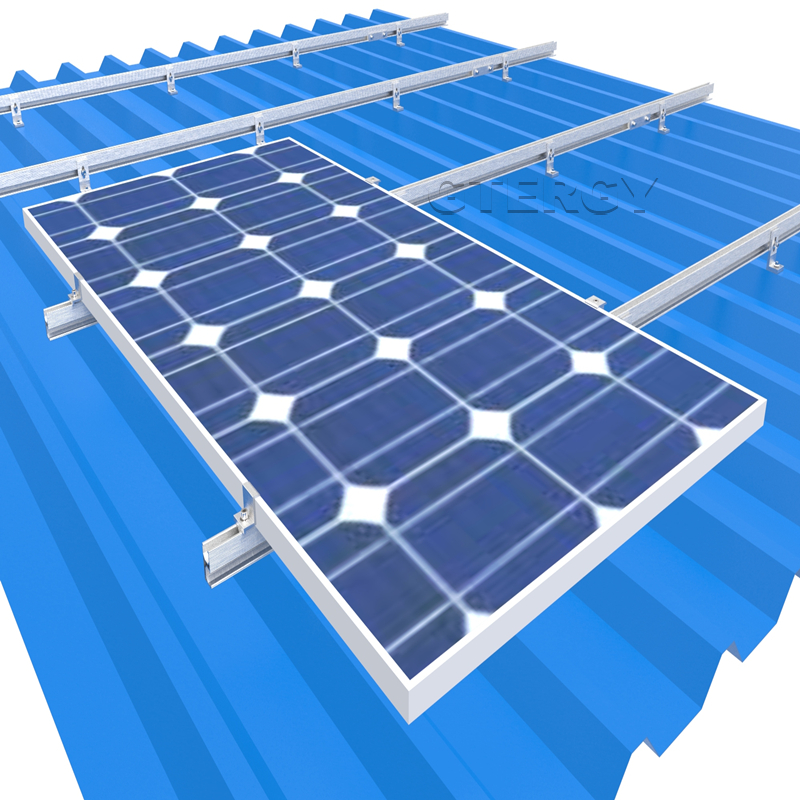
Aluminum Solar Ground Mounting System
Installing solar panel on a metal roof may be the best option for a solar energy system that can make your initial investment more efficient than you think. It considered to be the most suitable type of roof for installing so
View more
Solar Adjustable Mounting System
GTERGY Solar Panel Adjustable Mounting Systems is applicable for tin rooftop and concrete flat open space mounted. It can connect with aluminum profile or directly fasten it with the solar modules. The adjustable mount kits r
View more
Solar Asphalt Roof Mounting System
GTENGY provide a range of quick install and durable mounting accessories for Pitch Tile Solar Roof Mounting Systems. The primary aim of the system is to seamlessly blend solar technology with the existing roof structure, prov
View more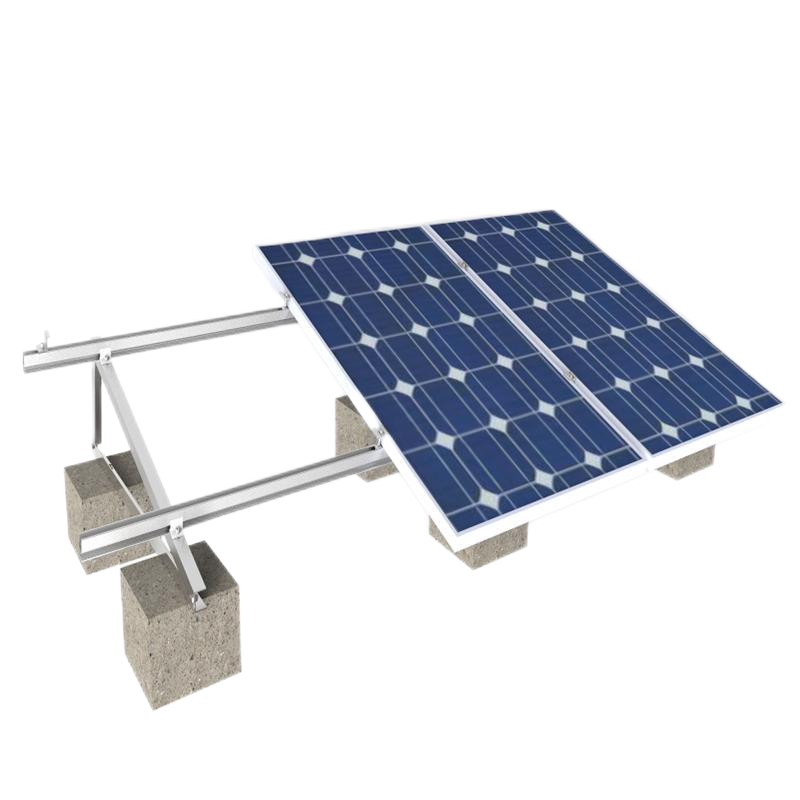
GTERGY Solar Flat Mounting Systems is applicable for concrete flat rooftop or open ground field, it can be divided into 2 kinds of solutions: one is fixed angle, we as per your project angle to custom made; the other is adjus
View more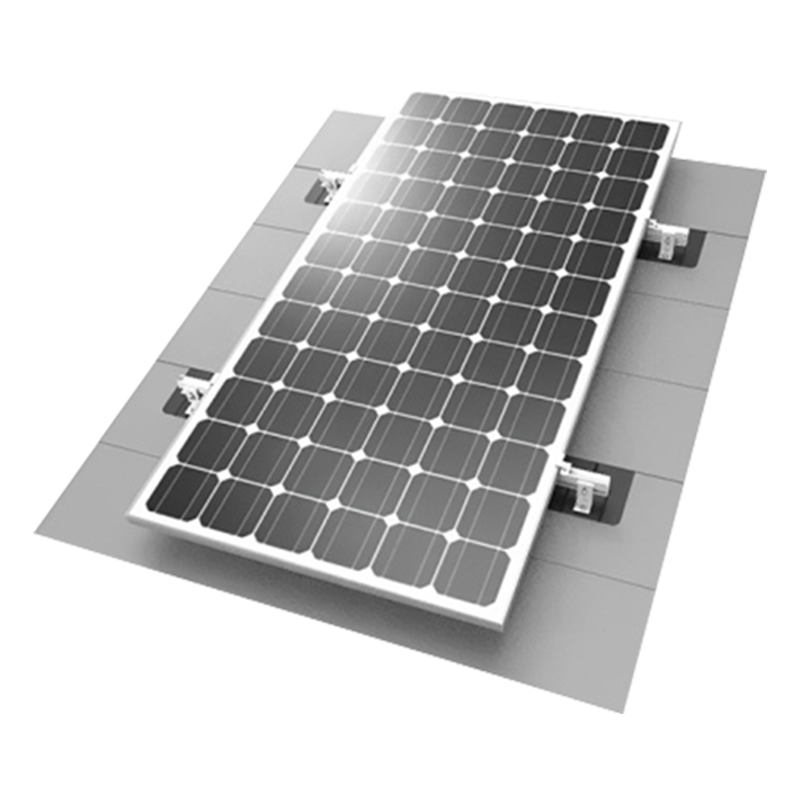
Solar Metal Roof Mounting System
The GTERGY Solar Asphalt Shingle Mounting Systems is design for the asphalt rooftop sheet. Shingle flashing well waterproof and pretend leakage. Simple install, cost effective and durable asphalt roof mount kits popular with
View more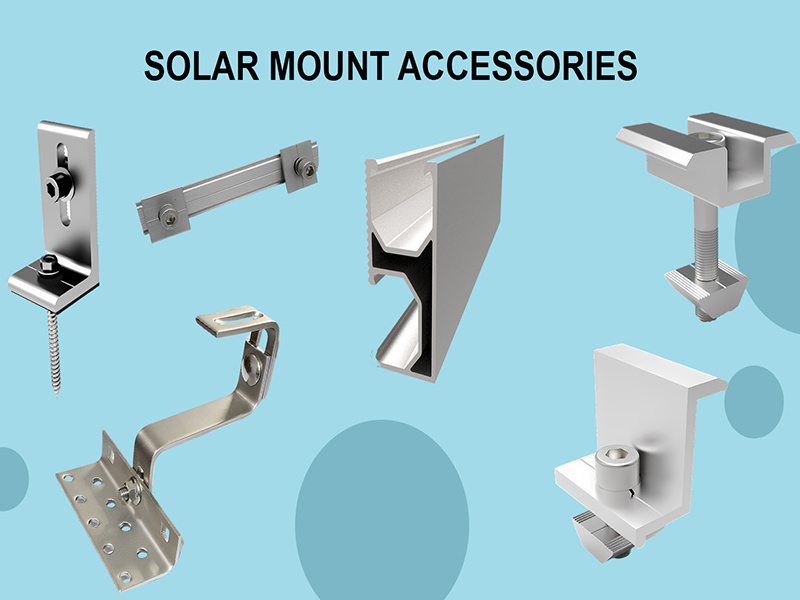
GTERGY offer a serious of Solar Mounting Accessories included solar profiles, solar rail splice, solar panel clamps, solar cable clips, solar grounding management systems clips...etc essential components that complement solar
View more
Solar Tile Roof Mounting System
GTERGY Solar Ground Mounting Bracket is applicable for open field, it can be installed for residential or large commercial scale solar projects. It is designed for quick installation and provide a safe and efficient mounting
View more -

Sustainable Energy Infrastructure: Understanding the Importance of Solar Panel Aluminium Rails
2025-12-16
Sustainable Energy Infrastructure: Understanding the Importance of Solar Panel Aluminium Rails
Table of Contents
- Introduction to Solar Panel Aluminium Rails
- The Role of Aluminium Rails in Solar Energy Systems
- Benefits of Using Aluminium Rails for Solar Panels
- Design Features of Aluminium Rails
- Installation Process of Aluminium Rails
- Maintenance and Durability of Aluminium Rails
- Environmental Impacts and Sustainability
- The Future of Solar Panel Rails
- Frequently Asked Questions
- Conclusion
Introduction to Solar Panel Aluminium Rails
In the quest for sustainable energy solutions, **solar energy** stands out as one of the most promising alternatives to traditional fossil fuels. As the demand for **renewable energy** sources continues to grow, understanding the components that support solar energy systems becomes essential. Among these components, **solar panel aluminium rails** play a pivotal role. These rails provide structural support for solar panels, ensuring they are securely mounted and optimally positioned to capture sunlight.
Aluminium has become the material of choice for solar panel supports due to its lightweight nature, resistance to corrosion, and durability. In this article, we will explore the critical role that aluminium rails play in solar energy systems, detailing their benefits, design features, installation processes, maintenance, and environmental impacts.
The Role of Aluminium Rails in Solar Energy Systems
Solar panel aluminium rails serve as the backbone of solar installations. They provide the necessary support to hold solar panels in place while allowing for the appropriate angle and orientation to maximize solar energy absorption. The components are designed to withstand various environmental factors, such as wind, rain, and snow, ensuring that the solar panels remain secure and functional.
The primary functions of aluminium rails include:
- **Structural Support**: They provide a sturdy framework for solar panels, preventing them from sagging or shifting over time.
- **Elevation**: Rails can elevate solar panels above the roof surface, enhancing airflow and reducing overheating, which can affect solar panel efficiency.
- **Adjustability**: Many systems allow for angle adjustments, optimizing the panels' exposure to sunlight throughout the year.
Benefits of Using Aluminium Rails for Solar Panels
Utilizing aluminium rails in solar panel installations offers numerous advantages:
1. Lightweight and Easy to Handle
Aluminium is significantly lighter than other materials, such as steel. This makes transportation, handling, and installation much easier, contributing to reduced labor costs and faster setup times.
2. Corrosion Resistance
One of the standout features of aluminium is its resistance to corrosion. This property ensures that solar panel supports can withstand harsh weather conditions without compromising their integrity, enhancing their lifespan.
3. Cost-Effective
While the initial investment in aluminium rails might be slightly higher than other materials, their durability and low maintenance requirements translate to long-term cost savings. They do not require frequent replacements or repairs.
4. Eco-Friendly
Aluminium is a highly recyclable material, which aligns with the sustainable ethos of solar energy. Utilizing aluminium rails contributes to a circular economy, reducing the overall environmental footprint of solar energy systems.
5. Enhanced Aesthetics
Aluminium rails can be designed to blend seamlessly with the architecture of buildings, enhancing the overall look of solar installations without compromising functionality.
Design Features of Aluminium Rails
The effectiveness of solar panel aluminium rails is significantly influenced by their design. Key design features include:
1. Modular Design
Aluminium rails are often designed in modular sections, allowing for easy customization of installations based on the specific needs of the solar panel configuration and location.
2. Pre-Drilled Holes
Many aluminium rails come with pre-drilled holes, which facilitate quicker installation and ensure that the solar panels can be securely fastened.
3. Adjustable Angles
Rails with adjustable angles enable installers to optimize the tilt of solar panels, maximizing sunlight capture throughout the year.
4. Compatibility with Various Mounting Systems
Aluminium rails are versatile and can be used with a variety of solar panel mounting systems, including ballasted, fixed, and tracking systems.
Installation Process of Aluminium Rails
Installing solar panel aluminium rails requires careful planning and execution. Here’s a step-by-step guide to the installation process:
1. Site Assessment
Begin by assessing the installation site. Factors such as roof type, angle, and shading from nearby structures should be considered.
2. Planning the Layout
Determine the optimal layout for the solar panels and ensure that the aluminium rails will support them adequately. Adjustments may be made based on the specific location.
3. Preparing the Roof
Ensure the roof is clean and free of debris. This is essential for a secure installation.
4. Installing the Rails
Using appropriate tools, secure the aluminium rails to the roof structure. Ensure that they are level and properly anchored to withstand environmental forces.
5. Mounting the Solar Panels
Once the rails are in place, mount the solar panels securely. Follow manufacturer instructions to ensure all components are connected correctly.
6. Final Inspection
Conduct a thorough inspection of the installation to ensure everything is secure and functioning as intended.
Maintenance and Durability of Aluminium Rails
One of the advantages of aluminium rails is their minimal maintenance requirements. Regular inspections are recommended to ensure that no debris is obstructing the panels and that all components remain secure. Here are some best practices for maintaining aluminium rails:
1. Regular Inspections
Periodically check the condition of the rails, mounts, and solar panels. Look for signs of wear, corrosion, or damage that may need addressing.
2. Cleaning
While aluminium is resistant to dirt and debris, regular cleaning of the solar panels is essential to maintain efficiency. Dust and grime can reduce sunlight absorption.
3. Professional Maintenance
Consider hiring professionals for comprehensive inspections and maintenance, especially after severe weather events.
Environmental Impacts and Sustainability
The environmental benefits of solar energy are well-documented, but the materials used in solar installations, such as aluminium, also play a vital role. Solar panel aluminium rails contribute to sustainability in several ways:
1. Reduced Carbon Footprint
By facilitating the use of solar energy, aluminium rails help reduce reliance on fossil fuels, leading to lower greenhouse gas emissions.
2. Recyclability
Aluminium is fully recyclable, meaning that at the end of its life cycle, it can be repurposed for new applications without losing its properties.
3. Longevity and Durability
The long lifespan of aluminium rails means fewer replacements and less waste, contributing to a more sustainable approach in the renewable energy sector.
The Future of Solar Panel Rails
As solar technology continues to advance, the design and functionality of solar panel aluminium rails are also evolving. Future trends may include:
1. Lightweight Innovations
Ongoing research may yield even lighter materials that maintain strength and durability, optimizing solar panel installations.
2. Smart Integration
Integrating smart technology into mounting systems could enable real-time adjustments based on environmental conditions, maximizing energy output.
3. Enhanced Aesthetics
Future designs may focus on aesthetics, combining functionality with visually appealing elements that enhance architectural designs.
Frequently Asked Questions
1. What are aluminium rails in solar installations?
Aluminium rails are structural components used to mount solar panels securely. They provide support and optimal positioning for maximum sunlight absorption.
2. Why choose aluminium over other materials for solar panel supports?
Aluminium is lightweight, corrosion-resistant, cost-effective, and environmentally friendly, making it an ideal choice for solar panel installations.
3. How do aluminium rails enhance the efficiency of solar panels?
By providing a stable and adjustable mounting solution, aluminium rails help ensure that solar panels are optimally positioned for sunlight exposure, enhancing their efficiency.
4. Are there any maintenance requirements for aluminium rails?
Aluminium rails require minimal maintenance, but regular inspections and cleaning of solar panels are recommended to ensure optimal performance.
5. What is the lifespan of aluminium rails?
Aluminium rails can last for several decades with proper installation and maintenance, making them a durable choice for solar energy systems.
Conclusion
Solar panel aluminium rails are an indispensable component of sustainable energy infrastructure. They provide essential support and stability for solar panels, facilitating the efficient capture of solar energy. The benefits of using aluminium rails, including their lightweight nature, resistance to corrosion, and minimal maintenance requirements, make them an ideal choice for solar installations. As we continue to embrace renewable energy solutions, understanding the crucial role that these components play is vital for advancing our sustainable energy future. Embracing innovative designs and practices will only enhance the effectiveness of solar energy systems, contributing to a greener, more sustainable world.
Related Information
CONTACT US
mail: info@gtergy.com
Tel:86-5926061498
Fax: 86-5926289378
Add: 399 Jinyuan West 2nd Road, Jimei
District, Xiamen, China
Copyright © 2023 Xiamen Greatest Energy Technology Co., Ltd All rights reserved. Powered by www.300.cn
SAF Coolest v1.3 设置面板 ZASSX-ZOWA-AQSDE-ZSS
无数据提示
Sorry, There Is Currently No Content In The Column!
You can view other columns or return to Home