


-
-
Aluminum Solar Ground Mounting System
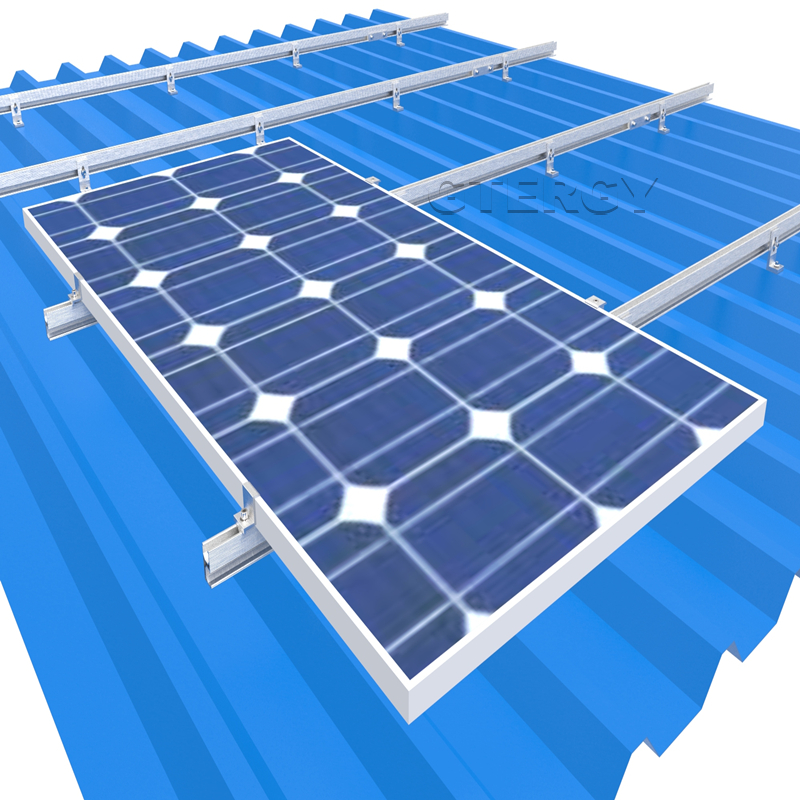
Installing solar panel on a metal roof may be the best option for a solar energy system that can make your initial investment more efficient than you think. It considered to be the most suitable type of roof for installing so
View more
Solar Adjustable Mounting System
GTERGY Solar Panel Adjustable Mounting Systems is applicable for tin rooftop and concrete flat open space mounted. It can connect with aluminum profile or directly fasten it with the solar modules. The adjustable mount kits r
View more
Solar Asphalt Roof Mounting System
GTENGY provide a range of quick install and durable mounting accessories for Pitch Tile Solar Roof Mounting Systems. The primary aim of the system is to seamlessly blend solar technology with the existing roof structure, prov
View more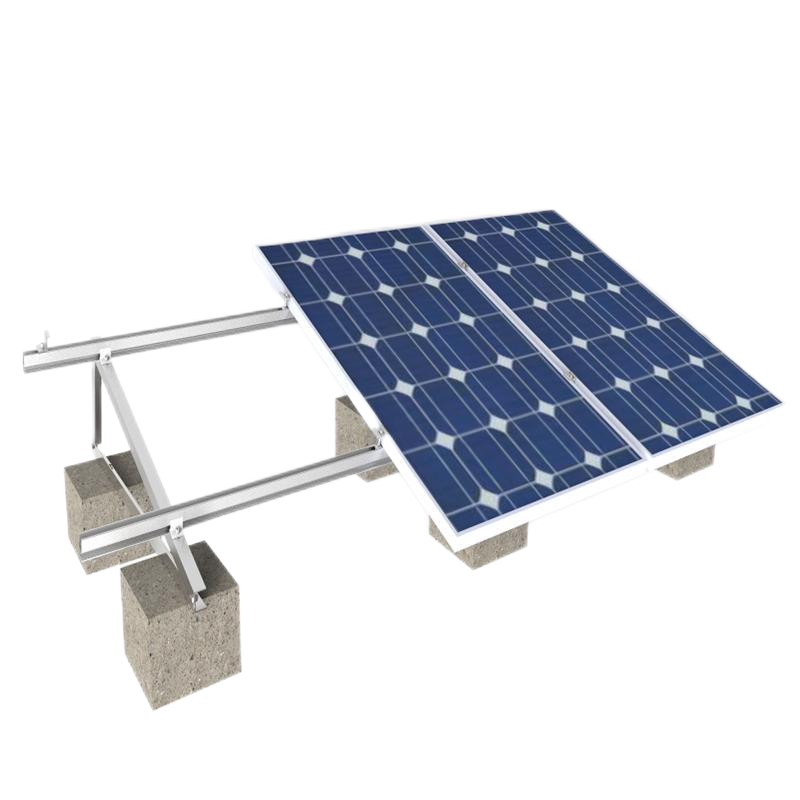
GTERGY Solar Flat Mounting Systems is applicable for concrete flat rooftop or open ground field, it can be divided into 2 kinds of solutions: one is fixed angle, we as per your project angle to custom made; the other is adjus
View more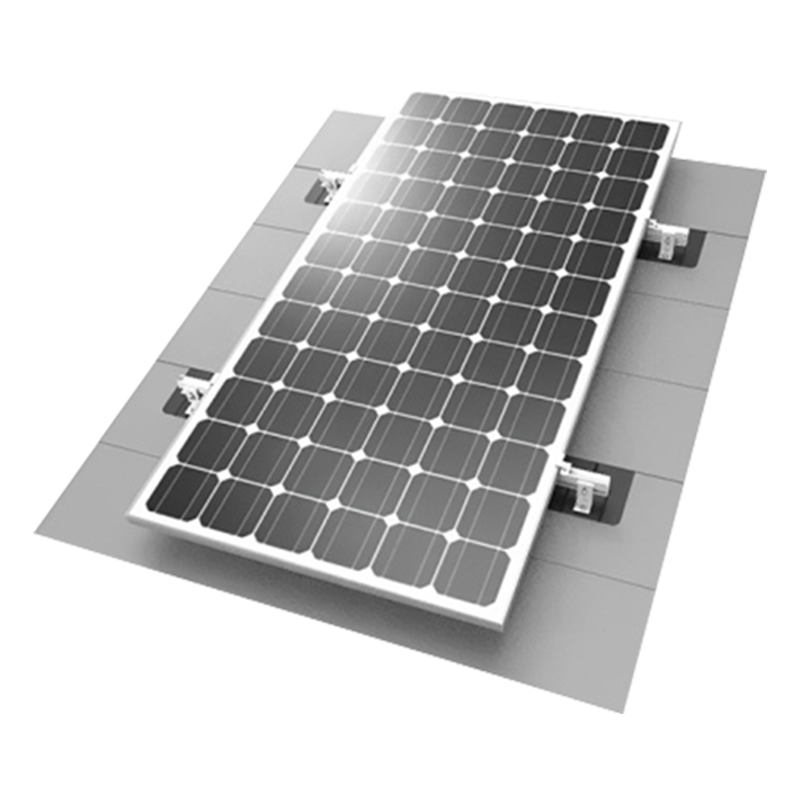
Solar Metal Roof Mounting System
The GTERGY Solar Asphalt Shingle Mounting Systems is design for the asphalt rooftop sheet. Shingle flashing well waterproof and pretend leakage. Simple install, cost effective and durable asphalt roof mount kits popular with
View more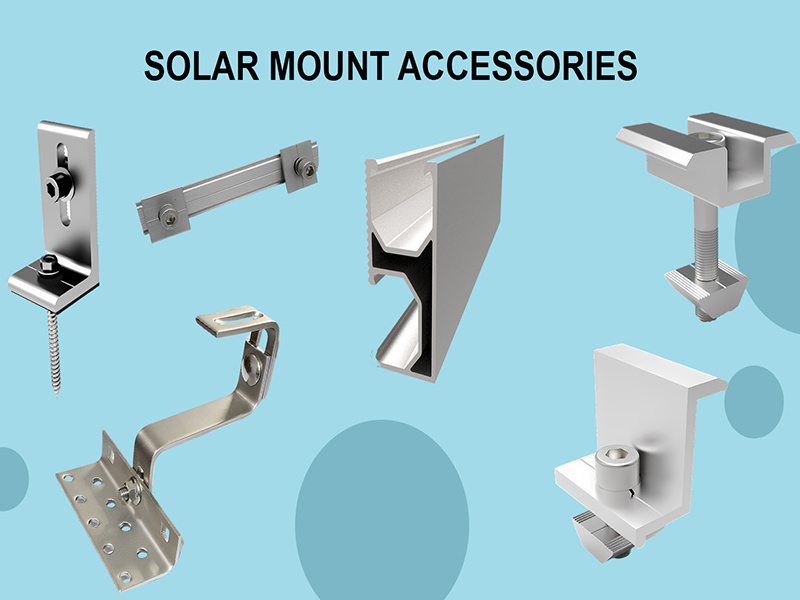
GTERGY offer a serious of Solar Mounting Accessories included solar profiles, solar rail splice, solar panel clamps, solar cable clips, solar grounding management systems clips...etc essential components that complement solar
View more
Solar Tile Roof Mounting System
GTERGY Solar Ground Mounting Bracket is applicable for open field, it can be installed for residential or large commercial scale solar projects. It is designed for quick installation and provide a safe and efficient mounting
View more -
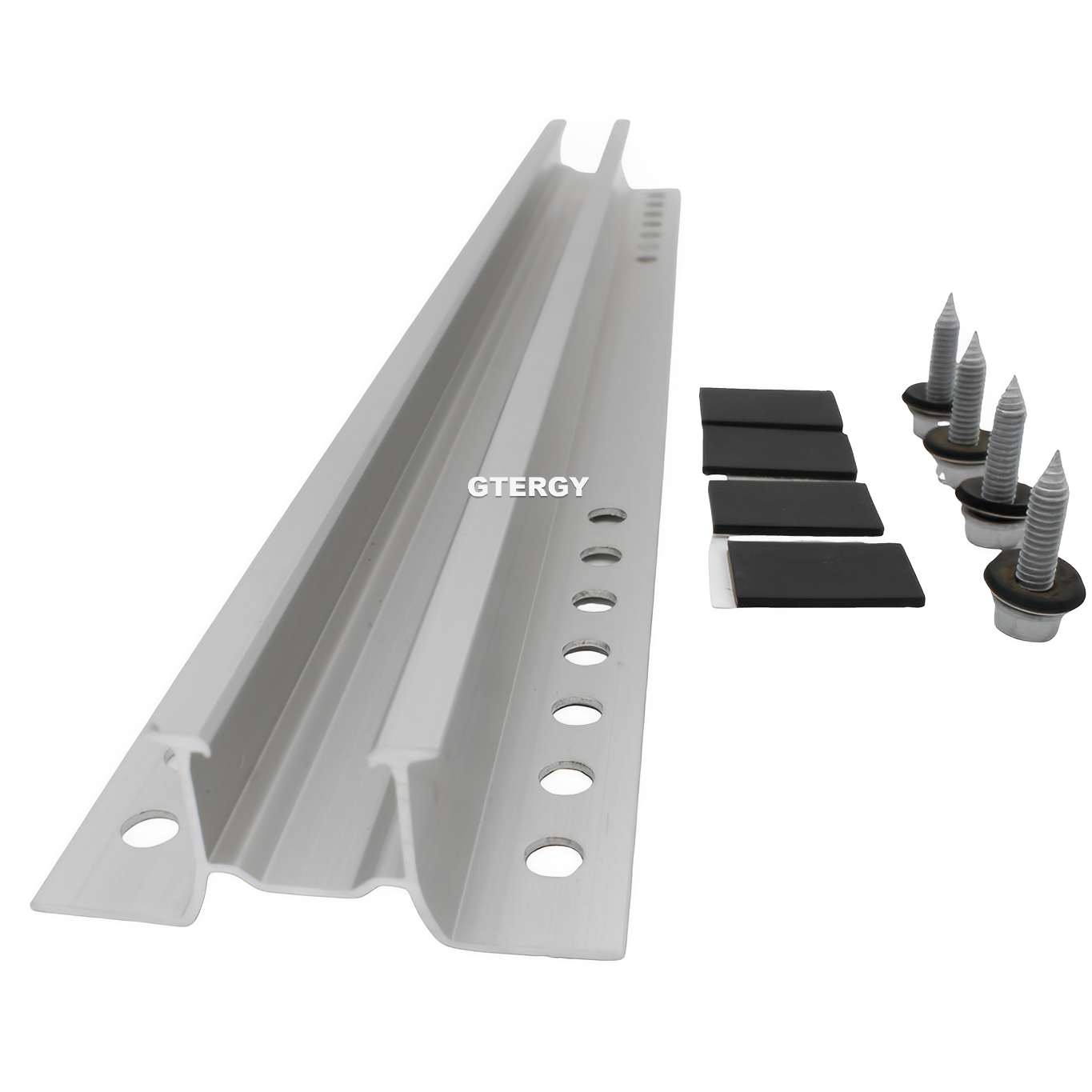
Mini Rail Systems: The Backbone of Modern Solar Panel Frameworks
2025-12-23
Mini Rail Systems: The Backbone of Modern Solar Panel Frameworks
As renewable energy continues to gain traction globally, **solar power** emerges as a prominent alternative, driving the need for efficient and durable installation solutions. At the heart of this revolution are **mini rail systems**, crucial components that offer enhanced support for solar panel frameworks. This article delves deep into the significance of mini rail systems in the solar industry, highlighting their benefits, types, installation procedures, and maintenance practices.
Table of Contents
- 1. Introduction to Mini Rail Systems
- 2. Importance of Mini Rail Systems in Solar Installations
- 3. Key Benefits of Mini Rail Systems
- 4. Types of Mini Rail Systems
- 5. Installation Process of Mini Rail Systems
- 6. Maintenance and Care of Mini Rail Systems
- 7. The Future of Mini Rail Systems in Solar Applications
- 8. Frequently Asked Questions
- 9. Conclusion
1. Introduction to Mini Rail Systems
Mini rail systems are specialized frameworks that provide a stable foundation for solar panels. These systems consist of lightweight, durable materials designed to withstand various environmental conditions, ensuring that solar panels remain securely in place. As solar technology evolves, the role of mini rail systems becomes increasingly vital, serving not only as a support structure but also as a means to optimize the performance of solar energy systems.
2. Importance of Mini Rail Systems in Solar Installations
The integration of mini rail systems in solar installations is essential for multiple reasons. Firstly, they enhance the overall structural integrity of solar panel mounting. By providing robust support, these systems reduce the risk of damage from wind, snow, and other environmental factors. Additionally, mini rail systems facilitate better energy capture by allowing for optimal positioning of solar panels, ensuring they receive maximum sunlight exposure throughout the day.
3. Key Benefits of Mini Rail Systems
Mini rail systems bring a host of advantages that contribute to the efficiency and effectiveness of solar energy solutions.
3.1 Improved Efficiency and Performance
One of the primary benefits of mini rail systems is their ability to enhance energy efficiency. By allowing solar panels to be installed at the most effective angles, these systems ensure that panels can capture as much sunlight as possible. This maximization of sunlight translates to increased energy production, making the investment in solar energy more profitable for homeowners and businesses alike.
3.2 Enhanced Durability and Longevity
Mini rail systems are built to last. Typically manufactured from high-grade aluminum or other corrosion-resistant materials, these systems are engineered to withstand harsh weather conditions, ensuring the longevity of solar installations. A durable rail system not only protects the investment in solar panels but also minimizes maintenance costs over time.
3.3 Aesthetic Appeal
In addition to their functional benefits, mini rail systems can also contribute to the aesthetic appeal of a solar installation. Sleek and modern designs allow for a more visually appealing setup, which is particularly important for residential installations where homeowners may be concerned about the appearance of their property. A well-designed mini rail system can enhance the overall look of a solar panel installation.
4. Types of Mini Rail Systems
There are primarily two types of mini rail systems used in solar installations, each serving specific needs and preferences.
4.1 Fixed Mini Rail Systems
Fixed mini rail systems are designed for installations where solar panels need to be secured at a specific angle. These systems provide a stable and permanent mounting solution, making them ideal for areas with consistent sunlight exposure. The simplicity and robustness of fixed mini rail systems make them a popular choice in many residential and commercial solar projects.
4.2 Adjustable Mini Rail Systems
Adjustable mini rail systems, on the other hand, offer flexibility in positioning solar panels. These systems allow for changes in the angle and orientation of the panels, enabling users to optimize sunlight exposure throughout different seasons. Adjustable systems are particularly beneficial for installations in regions with varying sunlight conditions, ensuring maximum energy efficiency year-round.
5. Installation Process of Mini Rail Systems
The installation of mini rail systems involves several critical steps to ensure a secure and effective setup:
1. **Site Assessment**: Conduct a thorough assessment of the installation site to determine the best positioning for solar panels and mini rail systems.
2. **Material Selection**: Choose high-quality materials that suit the specific environmental conditions of the installation site.
3. **Framework Assembly**: Assemble the mini rail system according to manufacturer specifications. Ensure all components are fitted securely to avoid any instability.
4. **Panel Mounting**: Securely attach solar panels to the mini rail system, ensuring that they are positioned to maximize sunlight exposure.
5. **Final Inspection**: Conduct a final inspection of the entire installation to ensure everything is properly secured and functioning as intended.
Proper installation is crucial for the performance and integrity of the solar system, making it advisable to engage professionals with experience in solar panel installations.
6. Maintenance and Care of Mini Rail Systems
Maintaining mini rail systems is essential for prolonging their life and ensuring optimal performance. Regular inspections should be conducted to identify any signs of wear, damage, or corrosion. Here are some key maintenance practices:
- **Routine Cleaning**: Keep the rail system clean from dust, debris, and snow to enhance sunlight exposure and prevent blockage.
- **Check for Corrosion**: Regularly inspect for any signs of corrosion, particularly in areas exposed to harsh weather. Promptly address any issues to prevent further damage.
- **Tighten Connections**: Periodically check and tighten connections to ensure that all components remain securely fastened.
By following these maintenance tips, the longevity and effectiveness of mini rail systems can be significantly improved.
7. The Future of Mini Rail Systems in Solar Applications
As the demand for solar energy continues to rise, the innovation surrounding mini rail systems is expected to grow as well. The future may see advancements in materials that enhance durability and reduce weight, making installations even more efficient. Additionally, the integration of technology in solar panel systems, such as smart sensors and monitoring systems, may lead to the development of more sophisticated mini rail designs that optimize energy production based on real-time data.
The ongoing evolution of solar technology reinforces the role of mini rail systems as essential components of modern solar panel frameworks. As we move towards a more sustainable future, investing in quality mini rail systems will be critical for optimizing solar energy solutions.
8. Frequently Asked Questions
1. What materials are mini rail systems made from?
Mini rail systems are typically constructed from lightweight and durable materials, such as aluminum or stainless steel, which provide strength and resistance to corrosion.
2. How do I choose the right mini rail system for my solar panels?
Selecting the appropriate mini rail system depends on factors such as the type of solar panels, the installation site, and specific energy needs. Consulting with a solar installation professional can help determine the best option.
3. Are mini rail systems easy to install?
While some DIY enthusiasts may undertake the installation, it is recommended to hire experienced professionals to ensure proper installation and optimal performance.
4. How often should I maintain my mini rail system?
Regular inspections should be conducted at least twice a year, with additional checks after severe weather events to ensure that everything remains secure and in good condition.
5. Can mini rail systems be used in residential solar installations?
Yes, mini rail systems are highly versatile and can be effectively utilized in both residential and commercial solar panel installations.
9. Conclusion
In summary, mini rail systems are indispensable components of modern solar panel frameworks. They not only provide crucial support but also enhance the efficiency, durability, and aesthetic appeal of solar installations. As the solar energy industry continues to evolve, the significance of these systems will only increase. Investing in high-quality mini rail systems ensures that solar energy solutions remain robust, effective, and ready to meet the energy demands of the future. By understanding their importance and implementing proper installation and maintenance practices, we can harness the full potential of solar energy and contribute to a more sustainable planet.
Related Information
CONTACT US
mail: info@gtergy.com
Tel:86-5926061498
Fax: 86-5926289378
Add: 399 Jinyuan West 2nd Road, Jimei
District, Xiamen, China
Copyright © 2023 Xiamen Greatest Energy Technology Co., Ltd All rights reserved. Powered by www.300.cn
SAF Coolest v1.3 设置面板 ZASSX-ZOWA-AQSDE-ZSS
无数据提示
Sorry, There Is Currently No Content In The Column!
You can view other columns or return to Home