


-
-
Aluminum Solar Ground Mounting System
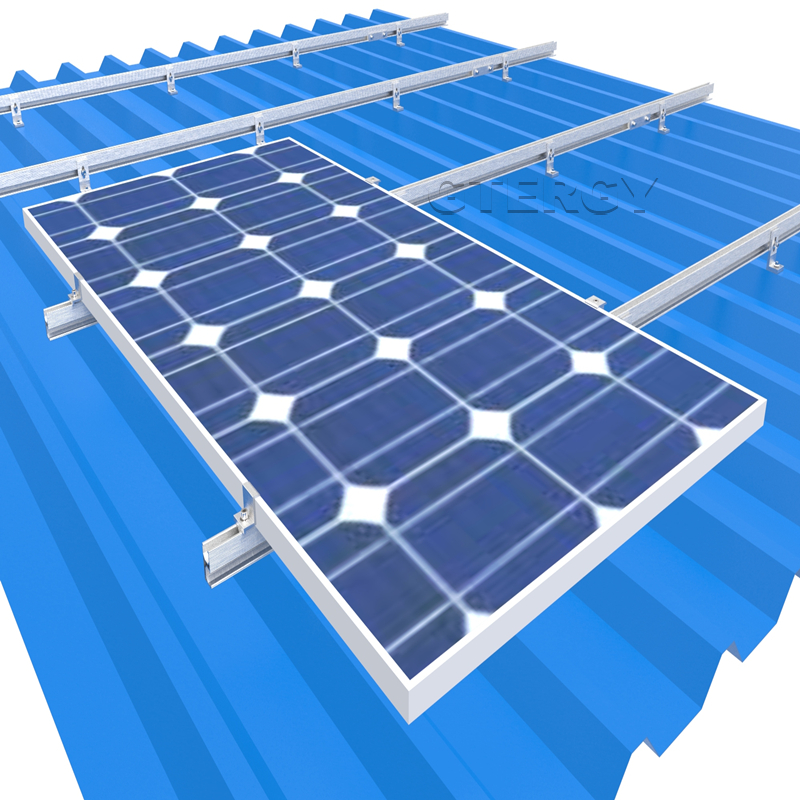
Installing solar panel on a metal roof may be the best option for a solar energy system that can make your initial investment more efficient than you think. It considered to be the most suitable type of roof for installing so
View more
Solar Adjustable Mounting System
GTERGY Solar Panel Adjustable Mounting Systems is applicable for tin rooftop and concrete flat open space mounted. It can connect with aluminum profile or directly fasten it with the solar modules. The adjustable mount kits r
View more
Solar Asphalt Roof Mounting System
GTENGY provide a range of quick install and durable mounting accessories for Pitch Tile Solar Roof Mounting Systems. The primary aim of the system is to seamlessly blend solar technology with the existing roof structure, prov
View more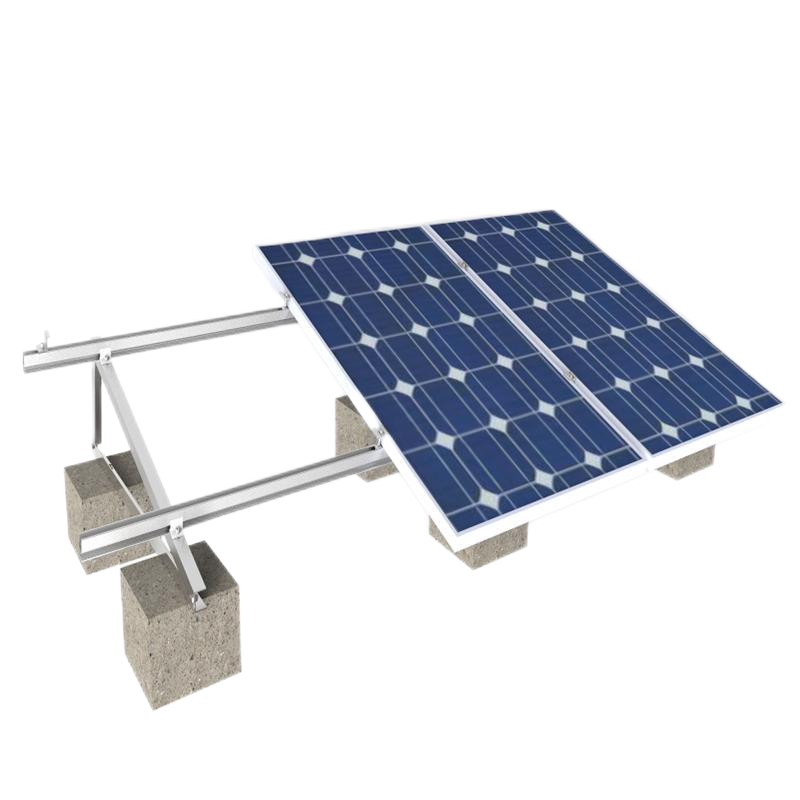
GTERGY Solar Flat Mounting Systems is applicable for concrete flat rooftop or open ground field, it can be divided into 2 kinds of solutions: one is fixed angle, we as per your project angle to custom made; the other is adjus
View more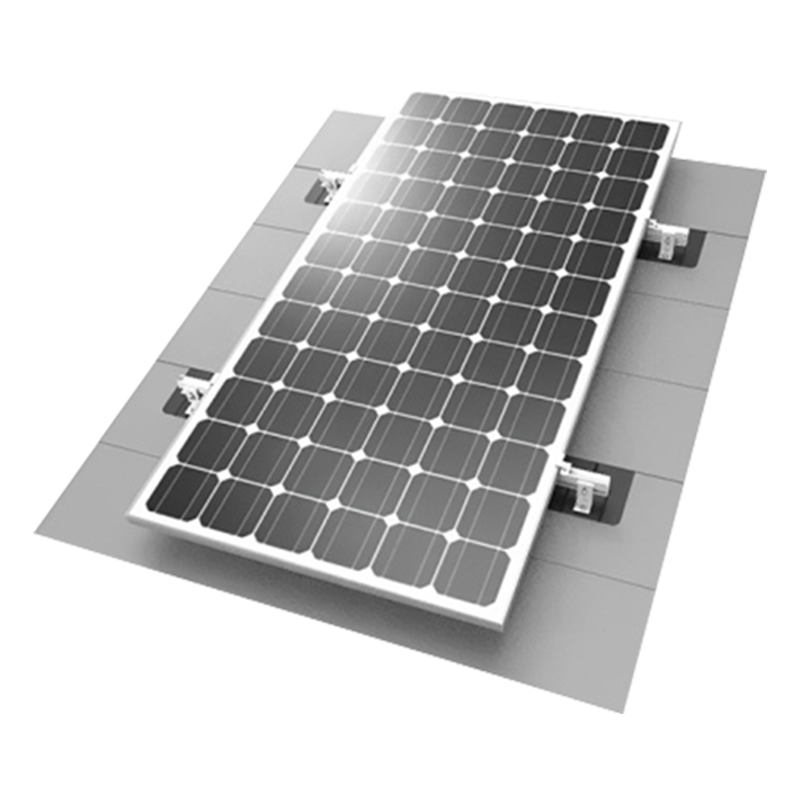
Solar Metal Roof Mounting System
The GTERGY Solar Asphalt Shingle Mounting Systems is design for the asphalt rooftop sheet. Shingle flashing well waterproof and pretend leakage. Simple install, cost effective and durable asphalt roof mount kits popular with
View more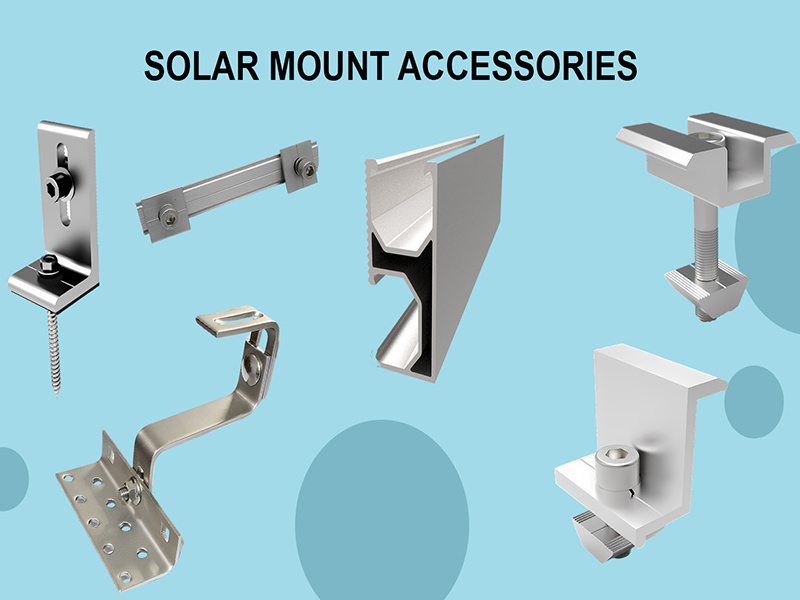
GTERGY offer a serious of Solar Mounting Accessories included solar profiles, solar rail splice, solar panel clamps, solar cable clips, solar grounding management systems clips...etc essential components that complement solar
View more
Solar Tile Roof Mounting System
GTERGY Solar Ground Mounting Bracket is applicable for open field, it can be installed for residential or large commercial scale solar projects. It is designed for quick installation and provide a safe and efficient mounting
View more -
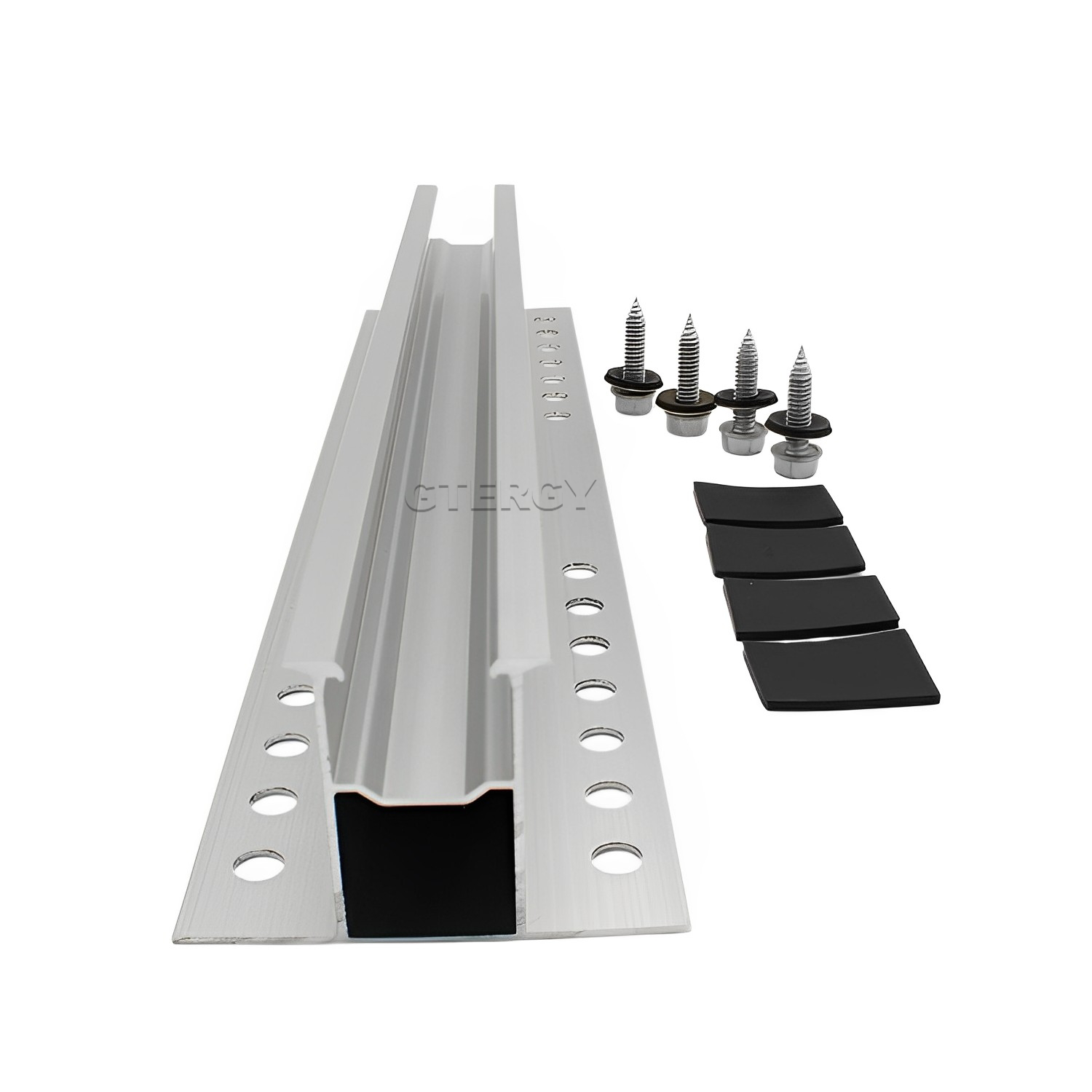
Enhancing Durability: Mini Rail Solutions for Solar Panel Mounting
2025-12-30
Enhancing Durability: Mini Rail Solutions for Solar Panel Mounting
Table of Contents
- 1. Introduction to Mini Rail Solutions
- 2. Why Durability Matters in Solar Panel Mounting
- 3. Understanding Mini Rail Technology
- 4. Selecting the Right Materials for Mini Rails
- 5. Key Design Features of Mini Rails
- 6. Installation Techniques for Enhanced Durability
- 7. Real-World Case Studies: Success with Mini Rail Solutions
- 8. Future Trends in Solar Mounting Solutions
- 9. Frequently Asked Questions
- 10. Conclusion
1. Introduction to Mini Rail Solutions
In the rapidly evolving world of renewable energy, **solar panel mounting** systems play a crucial role in ensuring that solar installations are both efficient and long-lasting. Among these systems, **mini rail solutions** have emerged as a practical and effective choice for mounting solar panels securely. Unlike traditional mounting systems, mini rails offer a combination of lightweight design and robust durability, making them ideal for various applications.
This article delves deep into how mini rail solutions enhance the durability of solar panel installations. We will explore the importance of durability, materials used, design features, installation techniques, and future trends in solar mounting solutions.
2. Why Durability Matters in Solar Panel Mounting
The durability of solar panel mounting systems directly affects the performance and lifespan of solar installations. As solar panels are exposed to various environmental factors, including wind, rain, snow, and extreme temperatures, a robust mounting solution is paramount. Here are several reasons why durability is crucial:
2.1. Environmental Resilience
Durable mounting solutions withstand harsh weather conditions, including heavy winds and snow loads, preventing potential damage to solar panels. This resilience ensures that solar energy generation remains consistent year-round.
2.2. Long-Term Cost-Effectiveness
Investing in durable mounting systems reduces maintenance costs over time. A reliable mini rail solution minimizes the need for frequent repairs and replacements, leading to significant savings.
2.3. Improved Efficiency
A stable and secure mounting system enhances the overall efficiency of solar panels. When panels are securely mounted, they maintain their optimal angle towards the sun, maximizing energy capture.
3. Understanding Mini Rail Technology
Mini rail technology has revolutionized solar panel mounting by offering flexibility and ease of installation without compromising strength. Unlike traditional mounting systems, mini rails provide several advantages:
3.1. Lightweight Design
The lightweight nature of mini rails simplifies the installation process, allowing for faster setup and reduced labor costs. This feature is particularly beneficial for residential installations where time and efficiency are paramount.
3.2. Adjustable Lengths
Mini rails come in adjustable lengths, making them versatile for different solar panel sizes and configurations. This adaptability allows installers to customize the mounting solution according to the specific project requirements.
3.3. Integrated Ventilation
Many mini rail solutions incorporate ventilation features that help cool the solar panels effectively. This cooling effect can improve panel efficiency, especially in hot climates.
4. Selecting the Right Materials for Mini Rails
Choosing the right materials is essential for ensuring the durability of mini rail solutions. Common materials utilized in mini rail manufacturing include:
4.1. Aluminum
Aluminum is a popular choice due to its lightweight nature and excellent resistance to corrosion. It is ideal for outdoor use, especially in coastal regions where saltwater can accelerate deterioration.
4.2. Stainless Steel
Stainless steel offers superior strength and durability compared to aluminum. Though heavier, its resistance to rust and high load-bearing capacity make it suitable for more challenging environmental conditions.
4.3. Composite Materials
Innovative composite materials combine the benefits of lightweight and durability, making them an attractive option for modern mini rail solutions. These materials often have enhanced thermal properties, helping with temperature regulation.
5. Key Design Features of Mini Rails
The design of mini rail solutions significantly impacts their performance and durability. Here are critical design features to consider:
5.1. Modular Design
A modular design allows for easy expansion or modification of solar installations. This feature is particularly beneficial for growing solar farms that may require additional panels in the future.
5.2. Enhanced Load Distribution
Mini rails are designed to distribute load evenly across their structure, reducing the risk of localized stress points that could lead to failure.
5.3. Quick Connect Features
Innovative connectors and fasteners streamline the installation process, allowing for quicker assembly while maintaining a secure hold. Such features are essential for efficient project timelines.
6. Installation Techniques for Enhanced Durability
Proper installation techniques are vital for maximizing the performance of mini rail solutions. Here are some best practices:
6.1. Pre-Installation Site Assessment
Conducting a thorough site assessment helps identify potential challenges, such as wind load requirements, soil conditions, and shading. This information is crucial for selecting the appropriate mounting solutions.
6.2. Professional Installation
Engaging trained professionals for installation ensures that mini rails are secured correctly and efficiently. Professional installers have the expertise to navigate complex installations and adhere to safety standards.
6.3. Regular Maintenance Checks
Scheduling regular maintenance checks can prevent minor issues from escalating into significant problems. Inspecting the integrity of the rails, fasteners, and solar panels helps maintain long-term durability.
7. Real-World Case Studies: Success with Mini Rail Solutions
To illustrate the effectiveness of mini rail solutions, here are a few real-world case studies:
7.1. Residential Installation in Coastal Areas
In coastal regions where salt exposure is high, a leading solar installation company utilized aluminum mini rails to mount residential solar panels. The lightweight design facilitated quick installation, while the corrosion-resistant nature of aluminum ensured long-term durability against harsh elements.
7.2. Solar Farm Expansion
A large solar farm implemented modular mini rail solutions to expand its capacity. The adjustable lengths of the mini rails allowed for seamless integration of new solar panels, while the enhanced load distribution minimized the risk of structural failure during severe weather.
7.3. Urban Rooftop Installations
Urban rooftop installations often face space constraints. A project in a metropolitan area successfully used mini rails, taking advantage of their lightweight and modular design to maximize the use of limited rooftop space without compromising stability.
8. Future Trends in Solar Mounting Solutions
As technology advances, the future of solar mounting solutions looks promising. Here are some emerging trends:
8.1. Smart Mounting Systems
The integration of IoT technology into mounting systems allows for real-time monitoring of the solar panels' performance and structural integrity. Smart systems can provide alerts for maintenance needs and optimize energy capture.
8.2. Sustainable Materials
The future may see the increased use of sustainable materials in mini rail production. Industry leaders are researching biodegradable and recyclable materials to reduce the environmental impact of solar installations.
8.3. Enhanced Aesthetics
As solar energy becomes more mainstream, there is a growing demand for aesthetically pleasing mounting solutions. Innovations in design will allow mini rails to blend seamlessly with architectural features, making solar installations more visually appealing.
9. Frequently Asked Questions
9.1. What are mini rails in solar panel mounting?
Mini rails are lightweight, durable structures used to securely mount solar panels on rooftops or ground installations, providing stability and ease of installation.
9.2. How do mini rail solutions enhance the durability of solar panels?
Mini rail solutions enhance durability by providing a stable mounting base that can withstand environmental stresses, reducing the risk of damage and ensuring long-lasting performance.
9.3. What materials are commonly used for mini rails?
The most commonly used materials for mini rails include aluminum, stainless steel, and composite materials, each offering unique advantages in terms of weight, strength, and corrosion resistance.
9.4. Can mini rails be used for residential and commercial installations?
Yes, mini rails are versatile and can be used for both residential and commercial solar installations, making them suitable for various applications.
9.5. How often should I check the durability of my solar panel mounting system?
Regular maintenance checks every six months to a year are recommended to ensure the integrity and durability of your solar panel mounting system, especially after severe weather events.
10. Conclusion
In conclusion, mini rail solutions represent a significant advancement in solar panel mounting technology, enhancing durability and efficiency in solar installations. By understanding the importance of materials, design features, and installation techniques, stakeholders can make informed decisions that lead to successful and long-lasting solar energy projects. As the industry continues to innovate, embracing these solutions will position solar energy as a reliable and sustainable power source for the future.
Related Information
CONTACT US
mail: info@gtergy.com
Tel:86-5926061498
Fax: 86-5926289378
Add: 399 Jinyuan West 2nd Road, Jimei
District, Xiamen, China
Copyright © 2023 Xiamen Greatest Energy Technology Co., Ltd All rights reserved. Powered by www.300.cn
SAF Coolest v1.3 设置面板 ZASSX-ZOWA-AQSDE-ZSS
无数据提示
Sorry, There Is Currently No Content In The Column!
You can view other columns or return to Home