


-
-
Aluminum Solar Ground Mounting System
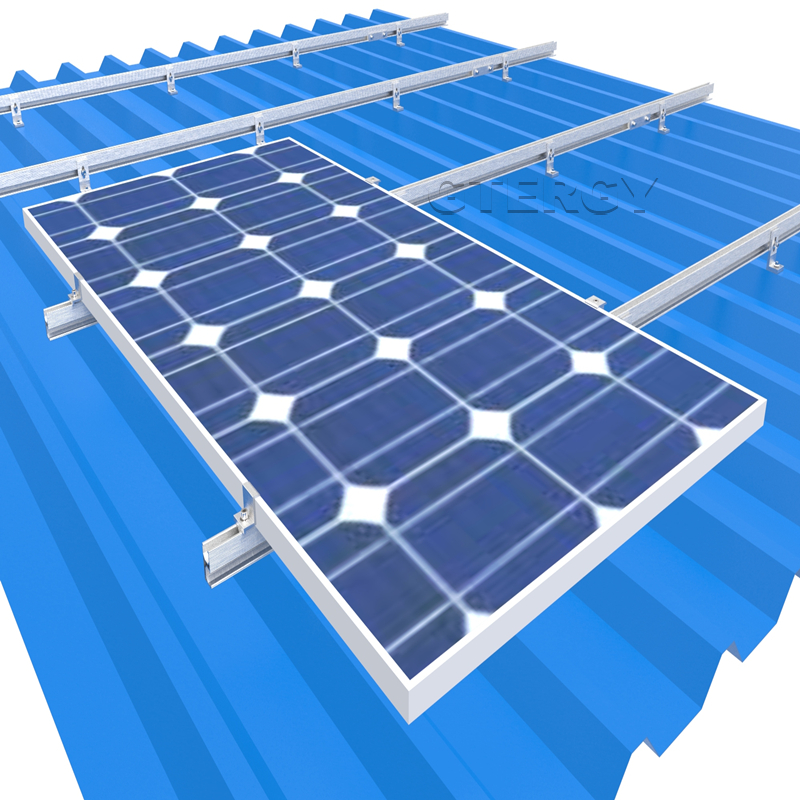
Installing solar panel on a metal roof may be the best option for a solar energy system that can make your initial investment more efficient than you think. It considered to be the most suitable type of roof for installing so
View more
Solar Adjustable Mounting System
GTERGY Solar Panel Adjustable Mounting Systems is applicable for tin rooftop and concrete flat open space mounted. It can connect with aluminum profile or directly fasten it with the solar modules. The adjustable mount kits r
View more
Solar Asphalt Roof Mounting System
GTENGY provide a range of quick install and durable mounting accessories for Pitch Tile Solar Roof Mounting Systems. The primary aim of the system is to seamlessly blend solar technology with the existing roof structure, prov
View more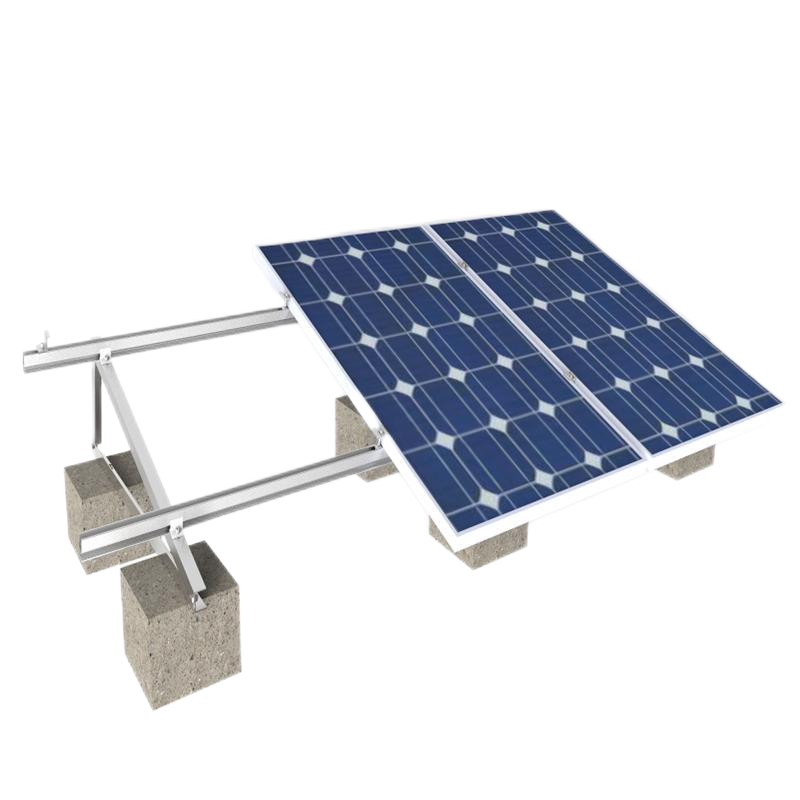
GTERGY Solar Flat Mounting Systems is applicable for concrete flat rooftop or open ground field, it can be divided into 2 kinds of solutions: one is fixed angle, we as per your project angle to custom made; the other is adjus
View more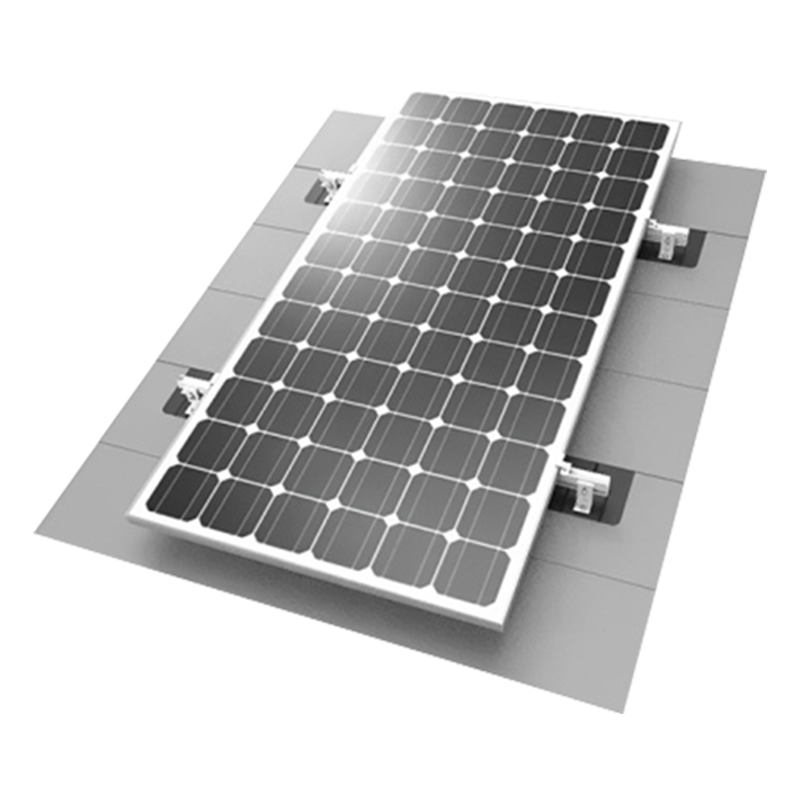
Solar Metal Roof Mounting System
The GTERGY Solar Asphalt Shingle Mounting Systems is design for the asphalt rooftop sheet. Shingle flashing well waterproof and pretend leakage. Simple install, cost effective and durable asphalt roof mount kits popular with
View more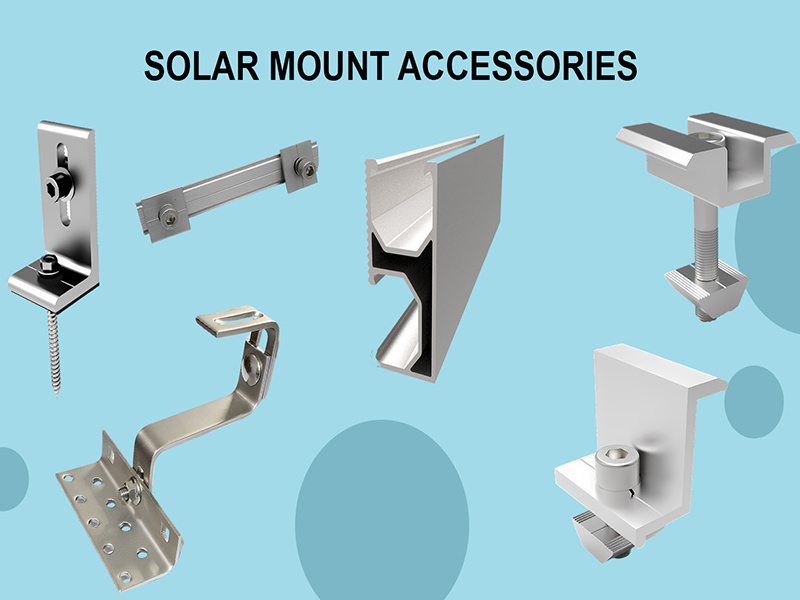
GTERGY offer a serious of Solar Mounting Accessories included solar profiles, solar rail splice, solar panel clamps, solar cable clips, solar grounding management systems clips...etc essential components that complement solar
View more
Solar Tile Roof Mounting System
GTERGY Solar Ground Mounting Bracket is applicable for open field, it can be installed for residential or large commercial scale solar projects. It is designed for quick installation and provide a safe and efficient mounting
View more -
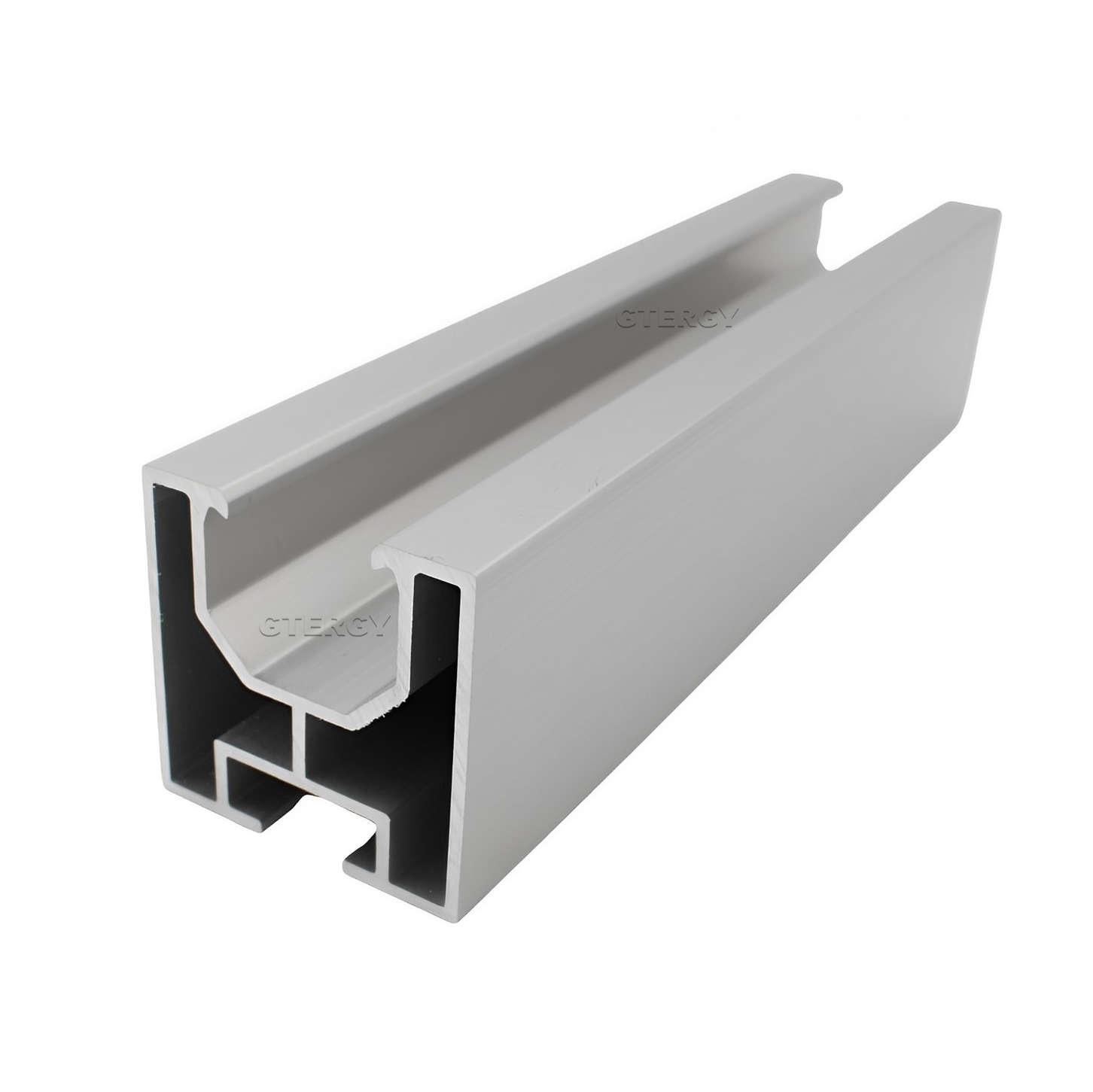
Optimal Performance: Maximizing Solar Energy with High-Quality Aluminium Rails
2026-01-05
Optimal Performance: Maximizing Solar Energy with High-Quality Aluminium Rails
Table of Contents
- 1. Introduction to Solar Energy and Its Importance
- 2. Understanding Aluminium Rails in Solar Applications
- 3. Benefits of Using High-Quality Aluminium Rails
- 4. Installation of Aluminium Rails for Solar Panels
- 5. Maintenance Tips for Aluminium Rails
- 6. Aluminium Rails vs. Other Materials
- 7. Case Studies: Successful Implementations
- 8. Frequently Asked Questions
- 9. Conclusion
1. Introduction to Solar Energy and Its Importance
Solar energy is becoming increasingly vital in our quest for sustainable and renewable energy sources. With the global focus shifting towards reducing carbon footprints, solar energy presents an excellent alternative. By harnessing the sun's vast power, we can produce clean energy, mitigate climate change, and reduce dependency on fossil fuels. However, to maximize this energy potential, the choice of solar mounting structures is crucial.
2. Understanding Aluminium Rails in Solar Applications
Aluminium rails are essential components in solar panel installations. They serve as a support structure that holds solar panels in place, ensuring stability and optimal angle exposure to sunlight. The unique properties of aluminium, such as its lightweight nature and resistance to corrosion, make it an ideal choice for solar applications.
The Role of Aluminium Rails in Solar Energy Efficiency
Aluminium rails not only secure the solar panels but also play a significant role in energy efficiency. By maintaining the panels at the correct angle, these rails allow for maximum sunlight absorption, which directly correlates to improved energy output. Furthermore, high-quality aluminium rails are engineered to withstand environmental stressors, ensuring long-term reliability and performance.
3. Benefits of Using High-Quality Aluminium Rails
Investing in high-quality aluminium rails for solar installations comes with numerous benefits:
Durability and Longevity
One of the primary advantages of aluminium is its ability to resist corrosion and rust. This durability is crucial for solar installations, which are exposed to various weather conditions. High-quality aluminium rails are designed to last for decades, making them a cost-effective solution in the long run.
Lightweight and Easy to Install
The lightweight nature of aluminium simplifies the installation process. Installers can handle these rails more easily, reducing labor costs and installation time. Less weight also means less stress on the roof or mounting surface, contributing to structural integrity.
Enhanced Energy Efficiency
As previously mentioned, properly mounted solar panels can significantly improve energy efficiency. High-quality aluminium rails ensure that solar panels are always positioned for optimal sunlight exposure, maximizing energy production and reducing electricity costs.
Environmental Sustainability
By choosing aluminium, a material that is 100% recyclable, solar installations contribute to environmental sustainability. Using recycled aluminium reduces energy consumption in production and minimizes waste, aligning with the overall goals of solar energy initiatives.
4. Installation of Aluminium Rails for Solar Panels
Proper installation of aluminium rails is essential for effective solar panel performance. Here’s a step-by-step guide:
Preparation and Planning
Before installation, assess the building's structural integrity and determine the optimal location for the solar panels. This planning phase is crucial to ensure that the rails are installed correctly and securely.
Gathering Necessary Tools and Materials
Ensure you have all necessary tools and components, including the aluminium rails, brackets, mounting hardware, and safety gear. Quality materials will ensure a successful installation.
Securing the Aluminium Rails
Begin by mounting the aluminium rails on the roof or designated installation area. Use appropriate brackets and hardware to secure the rails firmly. Follow manufacturer guidelines to ensure maximum stability and safety.
Affixing the Solar Panels
Once the rails are securely installed, attach the solar panels using the designated mounting brackets. Ensure that the panels are oriented correctly to maximize sunlight exposure throughout the day.
5. Maintenance Tips for Aluminium Rails
To ensure the longevity and optimal performance of aluminium rails, regular maintenance is essential. Here are some tips:
Regular Inspections
Conduct routine inspections of the aluminium rails and solar panels at least twice a year. Look for signs of wear, corrosion, or loose fittings. Catching issues early can prevent costly repairs later on.
Cleaning the Rails
Keep the aluminium rails clean from dirt, debris, and leaves. A clean surface allows for better sunlight exposure and enhances the overall efficiency of the solar panels.
Check for Structural Integrity
After severe weather events, inspect the rails for any damage or misalignment. Reinforce any weak points to maintain structural integrity and safety.
6. Aluminium Rails vs. Other Materials
When it comes to solar mounting systems, aluminium rails often outperform other materials. Here are some comparisons:
Aluminium vs. Steel
While steel is strong and durable, it is also heavier and more prone to rusting. Aluminium’s lightweight and corrosion-resistant properties make it a superior choice for solar installations.
Aluminium vs. Plastic
Plastic may be lightweight, but it lacks the durability and strength of aluminium. High-quality aluminium rails provide a robust solution that ensures long-term performance, while plastic components may degrade under UV exposure.
7. Case Studies: Successful Implementations
Numerous projects have successfully utilized high-quality aluminium rails to maximize solar energy efficiency. Below are a few notable examples:
Residential Solar Installation
A residential project in California replaced existing mounting systems with high-quality aluminium rails, resulting in a 20% increase in energy output. Homeowners reported reduced electricity bills and increased satisfaction due to the enhanced performance.
Commercial Solar Farms
In a large-scale solar farm project, aluminium rails were utilized to mount thousands of solar panels. The project achieved optimal alignment and stability, allowing for maximum sunlight absorption, thus increasing overall energy production significantly.
8. Frequently Asked Questions
1. Why are aluminium rails preferred over steel for solar installations?
Aluminium rails are lighter, easier to install, and resistant to corrosion, making them ideal for solar applications.
2. How can I ensure my aluminium rails are installed correctly?
Follow manufacturer guidelines, conduct thorough planning, and consider hiring a professional installer for optimal results.
3. How often should I maintain my aluminium rails?
Regular inspections should be performed at least twice a year, with additional checks after severe weather events.
4. Can I use recycled aluminium for solar rails?
Yes, recycled aluminium is a sustainable choice that maintains the performance characteristics necessary for solar installations.
5. What is the lifespan of high-quality aluminium rails?
High-quality aluminium rails can last for 25 years or more with proper maintenance, making them a long-term investment for solar projects.
9. Conclusion
High-quality aluminium rails are critical for optimizing solar energy production. Their durability, lightweight nature, and resistance to corrosion make them the preferred choice for both residential and commercial solar installations. By understanding the benefits, installation processes, and maintenance practices, you can maximize the performance of your solar energy systems. Investing in aluminium rails not only enhances energy efficiency but also contributes to a sustainable future, ensuring you get the most out of your solar energy investments.
Related Information
CONTACT US
mail: info@gtergy.com
Tel:86-5926061498
Fax: 86-5926289378
Add: 399 Jinyuan West 2nd Road, Jimei
District, Xiamen, China
Copyright © 2023 Xiamen Greatest Energy Technology Co., Ltd All rights reserved. Powered by www.300.cn
SAF Coolest v1.3 设置面板 ZASSX-ZOWA-AQSDE-ZSS
无数据提示
Sorry, There Is Currently No Content In The Column!
You can view other columns or return to Home