


-
-
Aluminum Solar Ground Mounting System
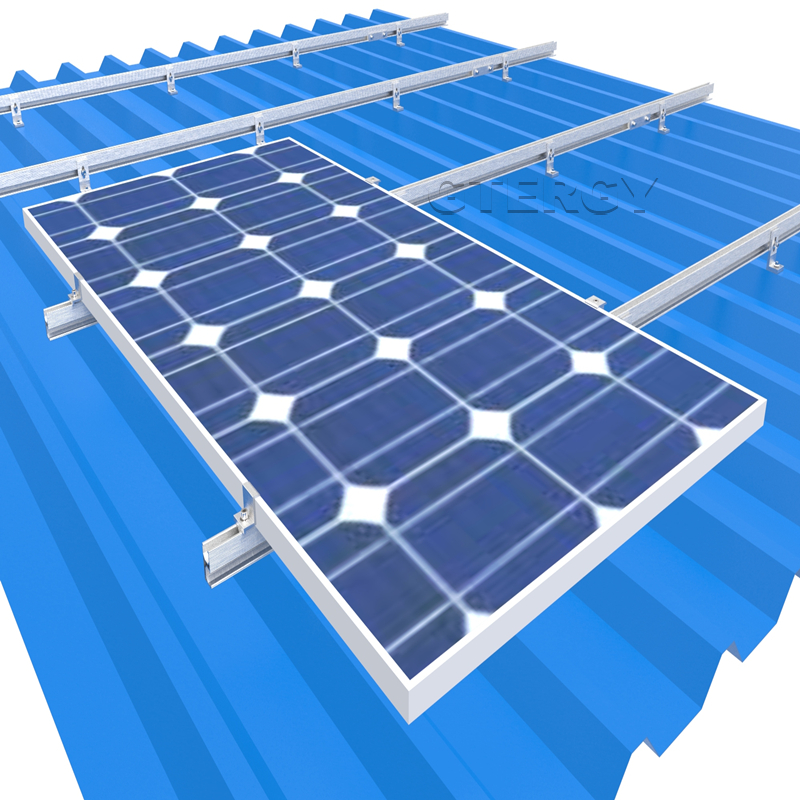
Installing solar panel on a metal roof may be the best option for a solar energy system that can make your initial investment more efficient than you think. It considered to be the most suitable type of roof for installing so
View more
Solar Adjustable Mounting System
GTERGY Solar Panel Adjustable Mounting Systems is applicable for tin rooftop and concrete flat open space mounted. It can connect with aluminum profile or directly fasten it with the solar modules. The adjustable mount kits r
View more
Solar Asphalt Roof Mounting System
GTENGY provide a range of quick install and durable mounting accessories for Pitch Tile Solar Roof Mounting Systems. The primary aim of the system is to seamlessly blend solar technology with the existing roof structure, prov
View more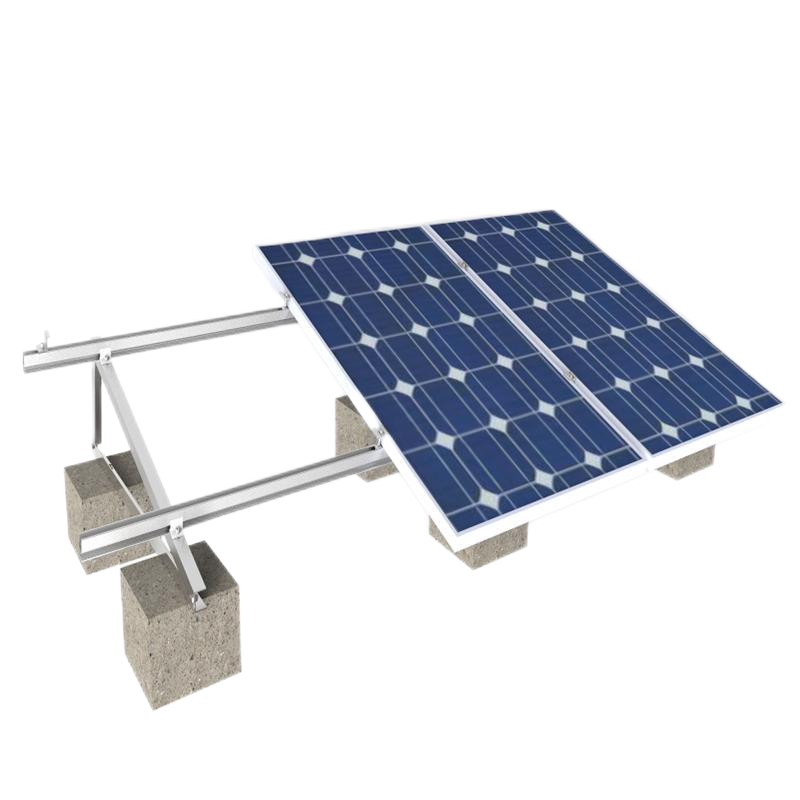
GTERGY Solar Flat Mounting Systems is applicable for concrete flat rooftop or open ground field, it can be divided into 2 kinds of solutions: one is fixed angle, we as per your project angle to custom made; the other is adjus
View more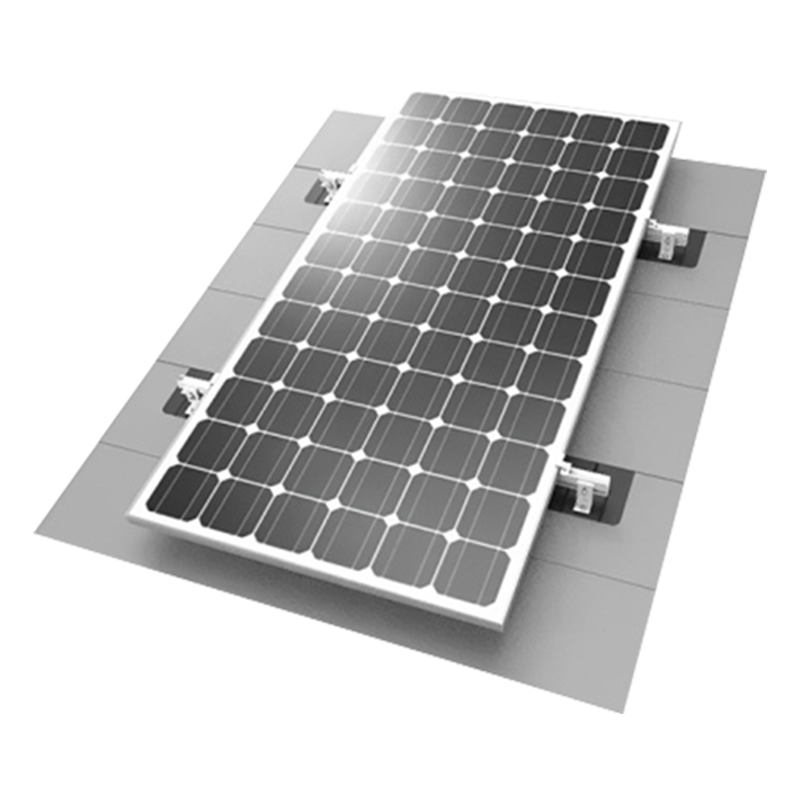
Solar Metal Roof Mounting System
The GTERGY Solar Asphalt Shingle Mounting Systems is design for the asphalt rooftop sheet. Shingle flashing well waterproof and pretend leakage. Simple install, cost effective and durable asphalt roof mount kits popular with
View more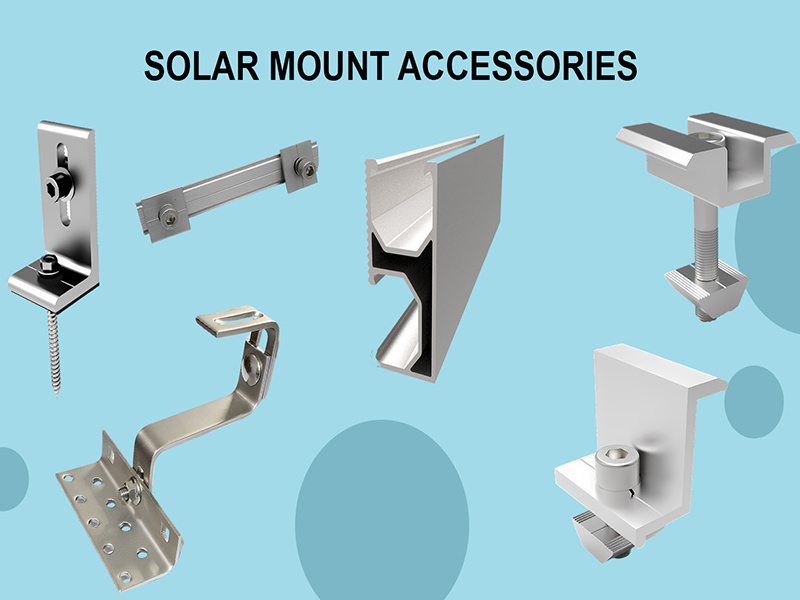
GTERGY offer a serious of Solar Mounting Accessories included solar profiles, solar rail splice, solar panel clamps, solar cable clips, solar grounding management systems clips...etc essential components that complement solar
View more
Solar Tile Roof Mounting System
GTERGY Solar Ground Mounting Bracket is applicable for open field, it can be installed for residential or large commercial scale solar projects. It is designed for quick installation and provide a safe and efficient mounting
View more -

Strength and Reliability: The Core Attributes of Aluminium Rails for Solar Panels
2026-01-11
Strength and Reliability: The Core Attributes of Aluminium Rails for Solar Panels
Table of Contents
- 1. Introduction to Aluminium Rails in Solar Energy
- 2. Key Benefits of Using Aluminium Rails
- 2.1 Strength and Durability
- 2.2 Lightweight Construction
- 2.3 Corrosion Resistance
- 2.4 Cost-Effectiveness
- 3. Installation Techniques for Aluminium Rails
- 4. Performance of Aluminium Rails Under Various Conditions
- 5. Environmental Impact and Sustainability
- 6. Frequently Asked Questions
- 7. Conclusion
1. Introduction to Aluminium Rails in Solar Energy
As the world shifts towards renewable energy, solar energy has emerged as a front-runner in sustainable solutions. Central to the efficiency of solar energy systems is the quality of the equipment used, particularly the mounting structures that secure solar panels. **Aluminium rails** stand out as a top choice for solar panel installations due to their inherent qualities of strength and reliability. In this article, we will explore why aluminium rails are essential for optimizing solar energy solutions.
2. Key Benefits of Using Aluminium Rails
Aluminium rails offer a host of advantages that position them as the preferred choice for solar panel mounting. Let’s examine the core benefits in detail.
2.1 Strength and Durability
One of the primary attributes of aluminium rails is their **exceptional strength**. Constructed from high-grade aluminium alloys, these rails can withstand significant loads, making them ideal for supporting solar panels under various conditions. The tensile strength of aluminium ensures that it can endure harsh weather conditions, including heavy rainfall, hail, and high winds, without compromising structural integrity.
2.2 Lightweight Construction
In addition to their strength, aluminium rails are notably lightweight. This characteristic simplifies the installation process, reducing labor costs and time. A lighter mounting structure means that less effort is required to transport and handle the materials, which is particularly advantageous in large installations or projects where equipment access is limited.
2.3 Corrosion Resistance
Aluminium naturally forms a protective oxide layer when exposed to air, rendering it highly resistant to corrosion. This property is especially crucial for solar panel installations, as they are often exposed to moisture, humidity, and other environmental elements. The corrosion resistance of aluminium rails ensures their longevity, reducing maintenance needs and enhancing the overall sustainability of solar energy systems.
2.4 Cost-Effectiveness
When comparing costs, it’s important to consider not just the initial investment but also the long-term savings. Aluminium rails, while sometimes more expensive upfront than other materials, offer greater durability and less maintenance over time. Their longevity translates to lower replacement costs, making them a **cost-effective solution** in the long run.
3. Installation Techniques for Aluminium Rails
Installing aluminium rails requires careful planning and execution to ensure optimal performance and safety. Below are key steps involved in the installation process.
3.1 Preparing the Site
Prior to installation, thorough site preparation is essential. This includes assessing the landscape, determining the best angle for solar panel placement, and ensuring that the ground is level and stable. Proper site preparation lays the groundwork for a successful installation.
3.2 Mounting the Rails
Mounting aluminium rails involves securing them to the structural framework, whether it be a roof or ground mount. Using appropriate brackets and fasteners specifically designed for aluminium ensures a **secure fit**. It is important to follow manufacturer guidelines to achieve the best results.
3.3 Safety Considerations
Safety should always be a priority during installation. Ensuring that all team members are equipped with proper safety gear and that the installation area is free from hazards is crucial. Additionally, using tools specifically designed for work with aluminium will minimize the risk of injury and damage to the materials.
4. Performance of Aluminium Rails Under Various Conditions
Aluminium rails not only provide structural integrity but also perform exceptionally well under different environmental conditions.
4.1 Performance in Extreme Weather
Solar panels mounted on aluminium rails have been tested to perform well even in extreme weather conditions. The combination of strength and lightweight properties allows these rails to resist twisting and bending, ensuring that the solar panels remain securely in place regardless of external stressors.
4.2 Temperature Resilience
Aluminium is known for its ability to handle a wide range of temperatures. In regions where temperatures fluctuate dramatically, aluminium rails maintain their structural integrity without warping or degrading. This temperature resilience contributes to the overall **reliability** of the solar energy system.
5. Environmental Impact and Sustainability
As we become more environmentally conscious, the materials used in solar energy systems play a significant role in sustainability. Aluminium rails are not only recyclable but also contribute to lowering the carbon footprint of solar installations. By choosing aluminium, companies can support a circular economy, where materials are reused and waste is minimized.
6. Frequently Asked Questions
1. Why are aluminium rails preferred over steel for solar panel installations?
Aluminium rails are preferred due to their lightweight nature, corrosion resistance, and strength, making them easier to handle and install compared to steel.
2. How long do aluminium rails last?
With proper maintenance, aluminium rails can last for 25 years or more, depending on environmental factors and installation quality.
3. Can aluminium rails withstand heavy winds and snow loads?
Yes, aluminium rails are designed to withstand heavy winds and snow loads, provided they are installed according to manufacturer guidelines.
4. Are aluminium rails eco-friendly?
Absolutely! Aluminium is a recyclable material, and its production has become increasingly sustainable, making it an eco-friendly choice for solar installations.
5. What maintenance is required for aluminium rails?
Minimal maintenance is needed for aluminium rails. Regular inspections for wear and tear, along with cleaning to remove dirt and debris, will help maintain their performance.
7. Conclusion
Aluminium rails play a critical role in the success of solar energy systems, combining strength, reliability, and sustainability. Their lightweight and corrosion-resistant properties make them an ideal choice for mounting solar panels securely and efficiently. As the demand for renewable energy continues to grow, understanding the benefits of aluminium rails will help stakeholders make informed decisions that contribute to a more sustainable future. By investing in high-quality aluminium rails, we can enhance the effectiveness of solar installations and ensure that they withstand the test of time and the elements.
Related Information
CONTACT US
mail: info@gtergy.com
Tel:86-5926061498
Fax: 86-5926289378
Add: 399 Jinyuan West 2nd Road, Jimei
District, Xiamen, China
Copyright © 2023 Xiamen Greatest Energy Technology Co., Ltd All rights reserved. Powered by www.300.cn
SAF Coolest v1.3 设置面板 ZASSX-ZOWA-AQSDE-ZSS
无数据提示
Sorry, There Is Currently No Content In The Column!
You can view other columns or return to Home