


-
-
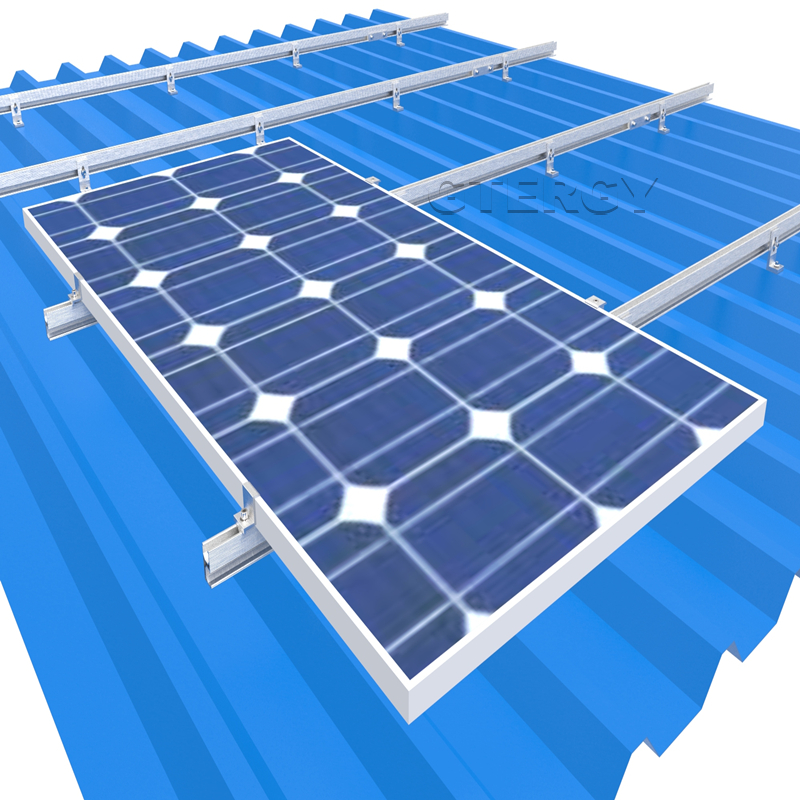
Aluminum Solar Ground Mounting System
Installing solar panel on a metal roof may be the best option for a solar energy system that can make your initial investment more efficient than you think. It considered to be the most suitable type of roof for installing so
View more
Solar Adjustable Mounting System
GTERGY Solar Panel Adjustable Mounting Systems is applicable for tin rooftop and concrete flat open space mounted. It can connect with aluminum profile or directly fasten it with the solar modules. The adjustable mount kits r
View more
Solar Asphalt Roof Mounting System
GTENGY provide a range of quick install and durable mounting accessories for Pitch Tile Solar Roof Mounting Systems. The primary aim of the system is to seamlessly blend solar technology with the existing roof structure, prov
View more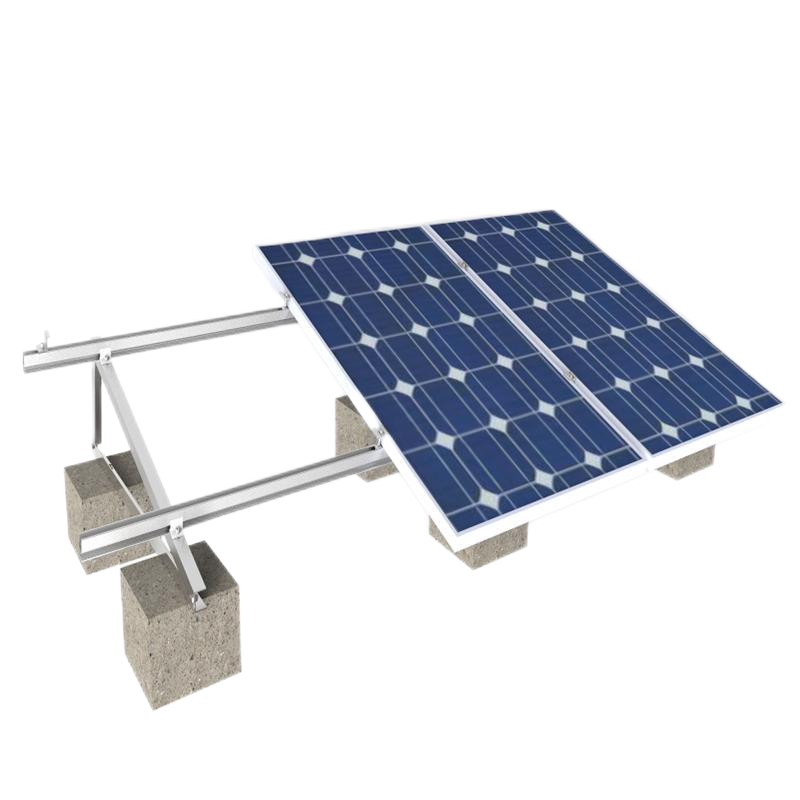
GTERGY Solar Flat Mounting Systems is applicable for concrete flat rooftop or open ground field, it can be divided into 2 kinds of solutions: one is fixed angle, we as per your project angle to custom made; the other is adjus
View more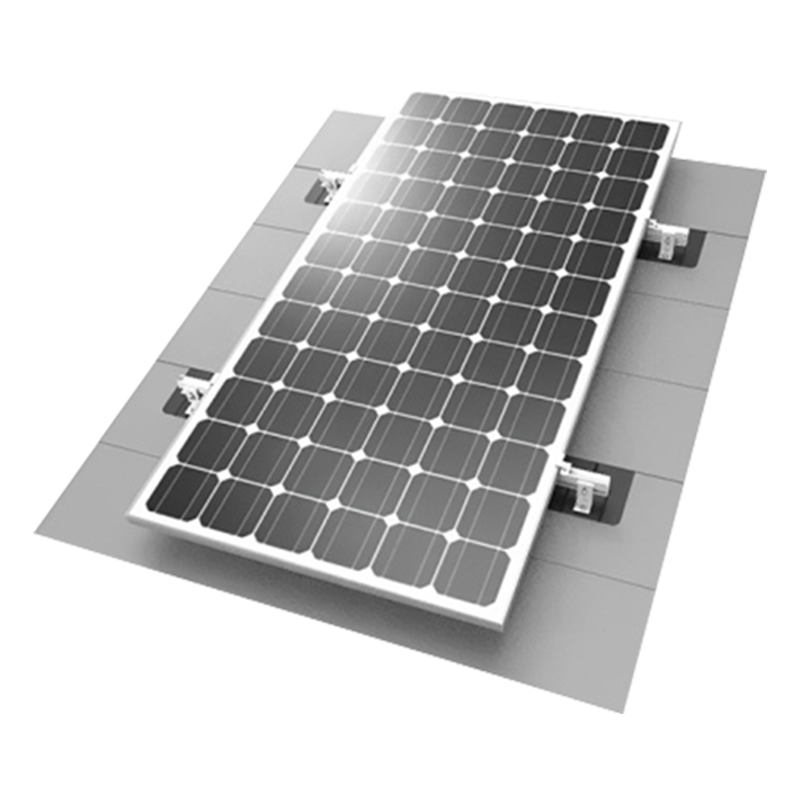
Solar Metal Roof Mounting System
The GTERGY Solar Asphalt Shingle Mounting Systems is design for the asphalt rooftop sheet. Shingle flashing well waterproof and pretend leakage. Simple install, cost effective and durable asphalt roof mount kits popular with
View more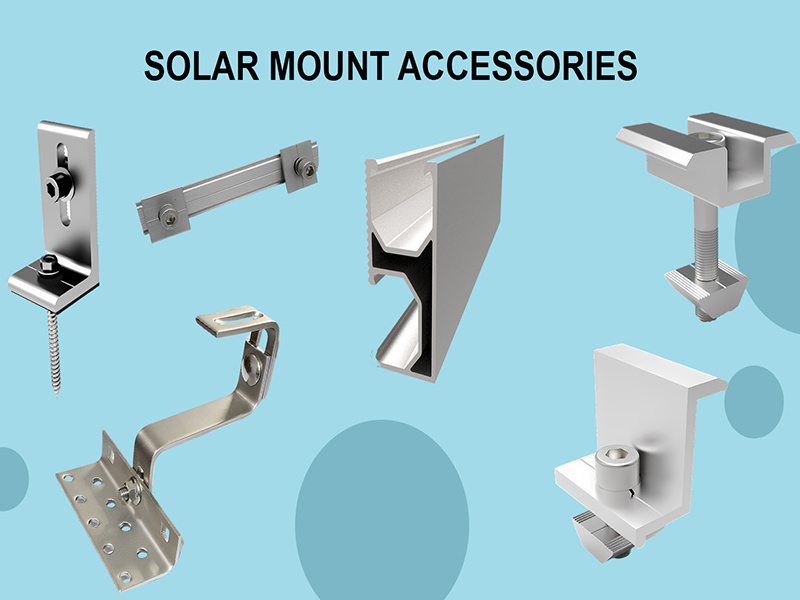
GTERGY offer a serious of Solar Mounting Accessories included solar profiles, solar rail splice, solar panel clamps, solar cable clips, solar grounding management systems clips...etc essential components that complement solar
View more
Solar Tile Roof Mounting System
GTERGY Solar Ground Mounting Bracket is applicable for open field, it can be installed for residential or large commercial scale solar projects. It is designed for quick installation and provide a safe and efficient mounting
View more -
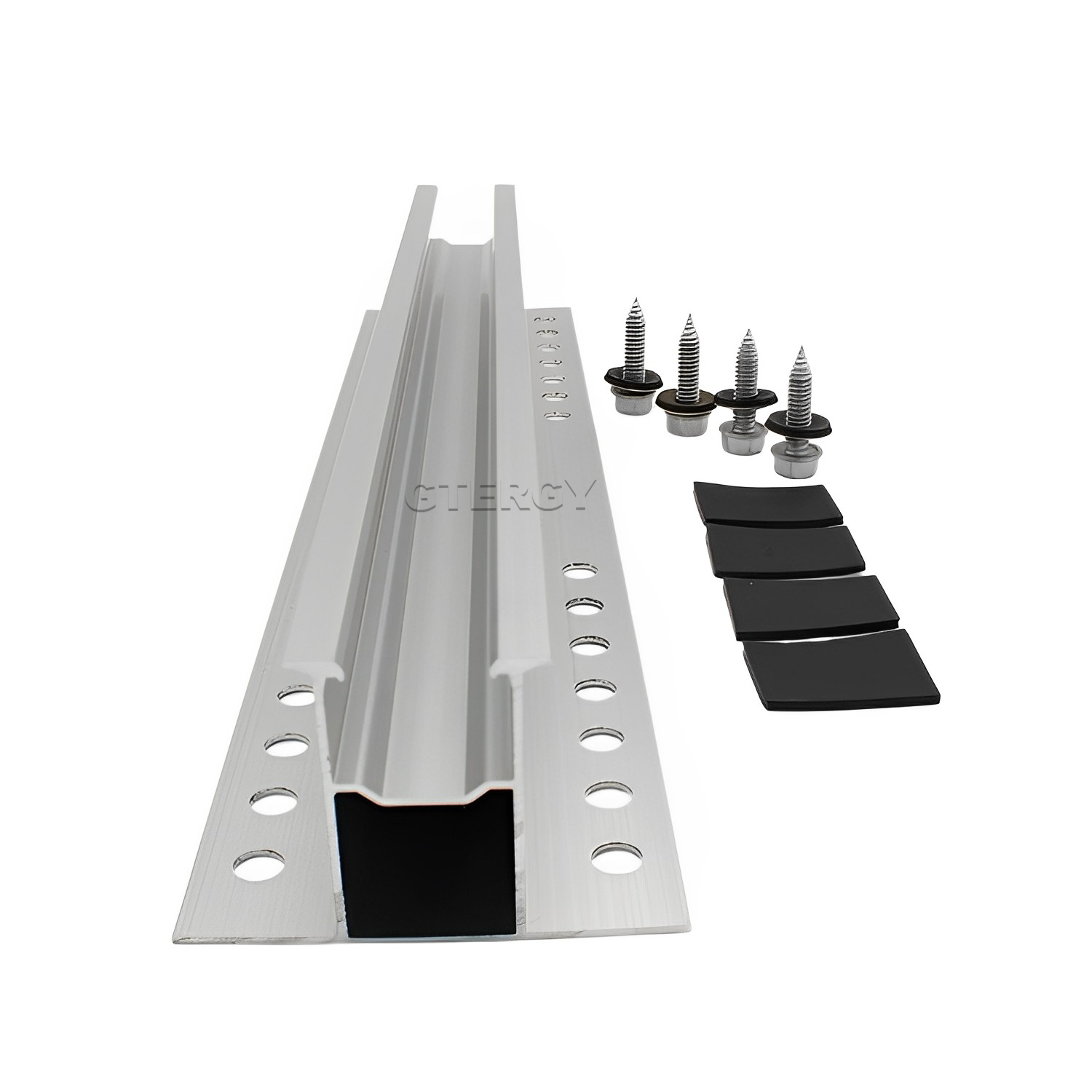
The Future of Industrial Equipment: Mini Rail Solar Innovations
2026-01-17
The Future of Industrial Equipment: Mini Rail Solar Innovations
Table of Contents
- Introduction to Mini Rail Solar Innovations
- Understanding Mini Rail Solar Systems
- The Importance of Solar Energy in Industrial Operations
- Benefits of Mini Rail Solar Technologies
- Design and Engineering Considerations
- Case Studies and Applications
- Challenges and Considerations in Implementation
- Future Trends in Mini Rail Solar Innovations
- Conclusion
- FAQs
Introduction to Mini Rail Solar Innovations
The industrial sector is undergoing a significant transformation as renewable energy sources gain traction. Among the many innovative solutions emerging, **mini rail solar systems** stand out as a pivotal advancement. These compact systems provide a sustainable path for enterprises aiming to harness solar energy efficiently while integrating seamlessly with existing infrastructure. This article delves deep into the future of industrial equipment as shaped by mini rail solar innovations, examining their benefits, design considerations, and real-world applications.
Understanding Mini Rail Solar Systems
Mini rail solar systems consist of lightweight, modular solar panels designed to be mounted on various surfaces, including rooftops and industrial structures. These systems are engineered to optimize space and energy capture, making them particularly advantageous for industries with limited roof area or structural complexities.
The Components of Mini Rail Solar Systems
1. **Solar Panels**: The core component, typically made from photovoltaic (PV) cells, converts sunlight into electricity.
2. **Mounting Rails**: These provide structural support, allowing panels to be securely attached to surfaces.
3. **Inverters**: They convert direct current (DC) generated by the solar panels into alternating current (AC) for industrial use.
4. **Energy Storage Solutions**: Batteries or other storage methods allow facilities to store excess energy for later use.
How Mini Rail Systems Work
Mini rail solar systems operate on a straightforward principle: sunlight hits the solar panels, generating DC electricity. This electricity can either be utilized immediately for operations or stored for later use, enhancing energy efficiency and reducing reliance on traditional energy sources.
The Importance of Solar Energy in Industrial Operations
As energy costs rise and environmental regulations tighten, the importance of solar energy in industrial operations cannot be overstated. Industrial facilities often consume vast amounts of energy, significantly impacting operational costs. Implementing mini rail solar systems allows industries to:
1. **Reduce Energy Costs**: By generating their own electricity, businesses can lower their energy bills significantly.
2. **Enhance Energy Independence**: Relying on solar energy reduces vulnerability to energy market fluctuations.
3. **Meet Sustainability Goals**: Utilizing renewable energy aligns with corporate social responsibility objectives and enhances brand reputation.
Benefits of Mini Rail Solar Technologies
Mini rail solar technologies offer a plethora of advantages for industrial usage:
1. Space Efficiency
Their compact design makes mini rail systems ideal for urban settings where space is limited. They can be installed on rooftops without requiring additional land.
2. Scalability
These systems can be easily scaled up or down according to the energy needs of the facility, allowing businesses to adapt their energy solutions as they grow.
3. Low Maintenance
Mini rail solar systems typically require minimal maintenance. Once installed, they can operate efficiently for decades with occasional cleaning and inspection.
4. Improved ROI
The initial investment in solar technology is often offset by long-term savings on energy bills, tax incentives, and potential revenue from selling excess energy back to the grid.
Design and Engineering Considerations
When implementing mini rail solar systems, several design and engineering factors must be considered:
1. Structural Integrity
Ensure that the mounting surface can support the weight and wind load of the solar panels. Collaborating with engineers during installation can mitigate potential risks.
2. Orientation and Angle
The orientation and tilt angle of the solar panels significantly influence energy output. Optimal positioning maximizes sunlight exposure throughout the day.
3. Integration with Existing Systems
Mini rail solar systems must seamlessly integrate with existing electrical systems to maximize efficiency. Collaborating with experienced installers ensures proper connectivity.
Case Studies and Applications
Several industries have already begun to embrace mini rail solar innovations, showcasing their potential across various sectors.
1. Manufacturing Facilities
A leading automotive parts manufacturer implemented a mini rail solar system on its rooftop, resulting in a 30% reduction in energy costs over five years. This initiative not only enhanced sustainability but also attracted environmentally-conscious consumers.
2. Warehousing and Distribution Centers
A large distribution center installed mini rail solar systems to harness solar energy, significantly decreasing operational costs. The facility now powers its lighting and refrigeration systems predominantly through solar energy.
3. Food Processing Plants
Food processing plants have adopted mini rail solar systems to comply with sustainability regulations. By generating their own energy, these facilities can maintain compliance while reducing overhead costs.
Challenges and Considerations in Implementation
Despite their benefits, implementing mini rail solar technologies is not without challenges:
1. Initial Costs
While long-term savings exist, the upfront costs of installation can be a barrier for some businesses. Consider financial incentives and grants to offset these initial expenses.
2. Regulatory Compliance
Navigating local regulations regarding solar installations can be complex. Engaging with local authorities early in the planning phase is essential to ensure compliance.
3. Technological Limitations
Not all facilities are suitable for mini rail solar systems. Factors such as shading, orientation, and local weather patterns must be assessed carefully.
Future Trends in Mini Rail Solar Innovations
The future of mini rail solar technology is bright, with upcoming trends that promise to shape the industry further:
1. Enhanced Efficiency
Ongoing advancements in solar panel technology are leading to higher efficiency rates, making mini rail systems even more appealing for industrial applications.
2. Smart Integration
The integration of IoT technology into solar systems will enable real-time monitoring and optimization of energy consumption, increasing overall efficiency.
3. Sustainability Practices
The push for sustainable practices is expected to drive more industries toward adopting mini rail solar systems as part of their corporate strategies.
Conclusion
Mini rail solar innovations represent a transformative shift in how industrial operations approach energy consumption. These systems, with their numerous benefits and efficient designs, are paving the way for a more sustainable future. By investing in mini rail solar technologies, industries can reduce costs, enhance energy independence, and meet growing sustainability demands. As technology continues to evolve, we anticipate even greater advancements that will further solidify the role of renewable energy in the industrial sector.
FAQs
1. What is a mini rail solar system?
A mini rail solar system is a compact, modular solar panel installation designed for mounting on various surfaces, optimizing space while generating renewable energy.
2. How do mini rail solar systems benefit industrial operations?
They reduce energy costs, enhance energy independence, and support sustainability goals, providing significant long-term savings and operational efficiency.
3. Are mini rail solar systems suitable for all types of industrial facilities?
Not all facilities are ideal for mini rail solar systems. Factors such as roof space, orientation, and local weather conditions must be considered.
4. How can businesses finance the installation of mini rail solar systems?
Businesses can explore financial incentives, grants, and leasing options to offset initial costs associated with installing solar systems.
5. What are the maintenance requirements for mini rail solar systems?
These systems typically require minimal maintenance, including occasional cleaning and inspection to ensure optimal performance.
Related Information
CONTACT US
mail: info@gtergy.com
Tel:86-5926061498
Fax: 86-5926289378
Add: 399 Jinyuan West 2nd Road, Jimei
District, Xiamen, China
Copyright © 2023 Xiamen Greatest Energy Technology Co., Ltd All rights reserved. Powered by www.300.cn
SAF Coolest v1.3 设置面板 ZASSX-ZOWA-AQSDE-ZSS
无数据提示
Sorry, There Is Currently No Content In The Column!
You can view other columns or return to Home