


-
-
Aluminum Solar Ground Mounting System
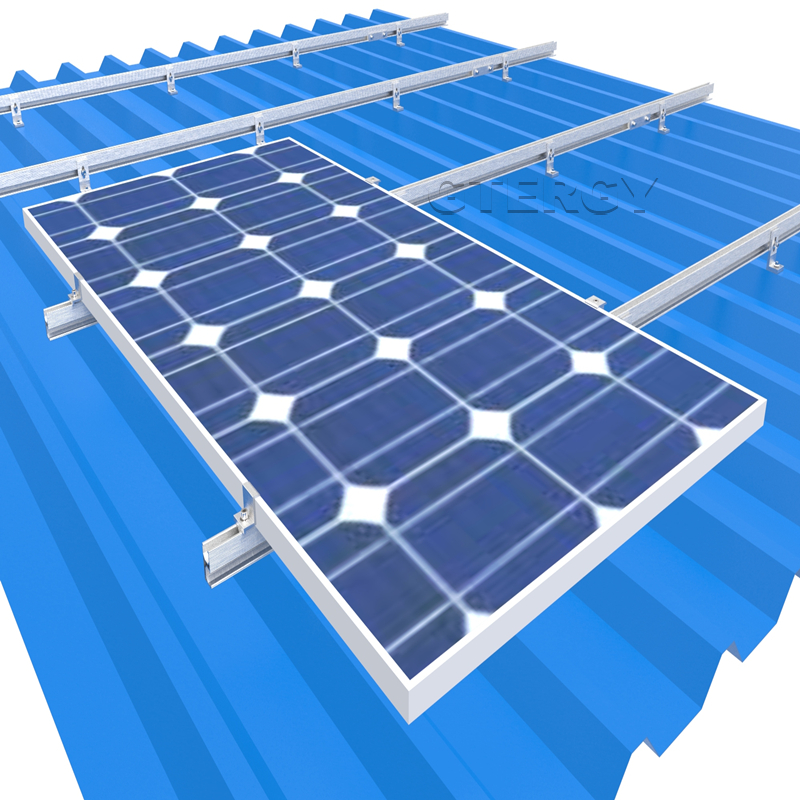
Installing solar panel on a metal roof may be the best option for a solar energy system that can make your initial investment more efficient than you think. It considered to be the most suitable type of roof for installing so
View more
Solar Adjustable Mounting System
GTERGY Solar Panel Adjustable Mounting Systems is applicable for tin rooftop and concrete flat open space mounted. It can connect with aluminum profile or directly fasten it with the solar modules. The adjustable mount kits r
View more
Solar Asphalt Roof Mounting System
GTENGY provide a range of quick install and durable mounting accessories for Pitch Tile Solar Roof Mounting Systems. The primary aim of the system is to seamlessly blend solar technology with the existing roof structure, prov
View more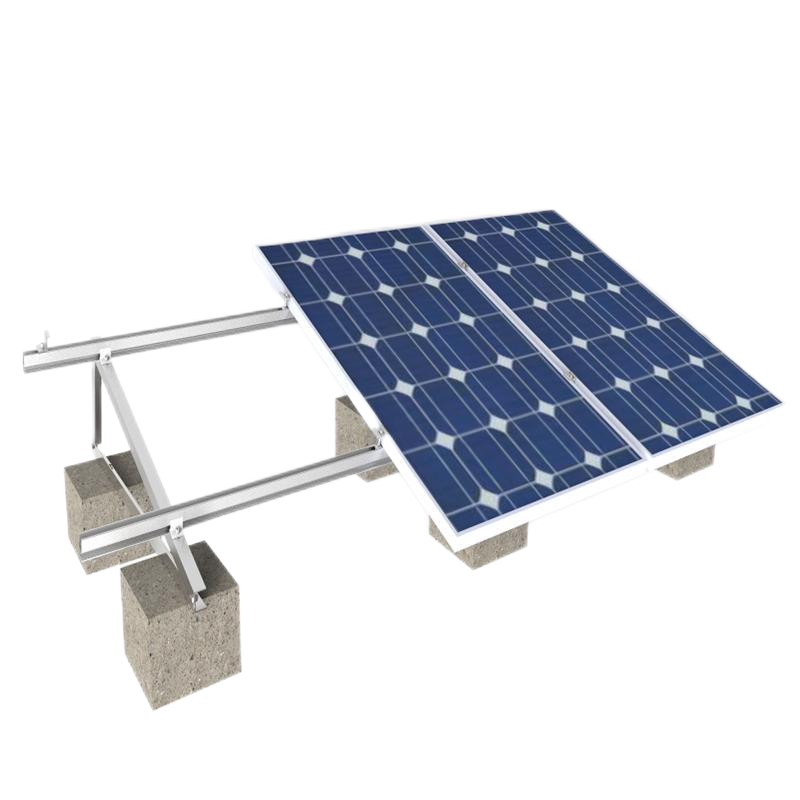
GTERGY Solar Flat Mounting Systems is applicable for concrete flat rooftop or open ground field, it can be divided into 2 kinds of solutions: one is fixed angle, we as per your project angle to custom made; the other is adjus
View more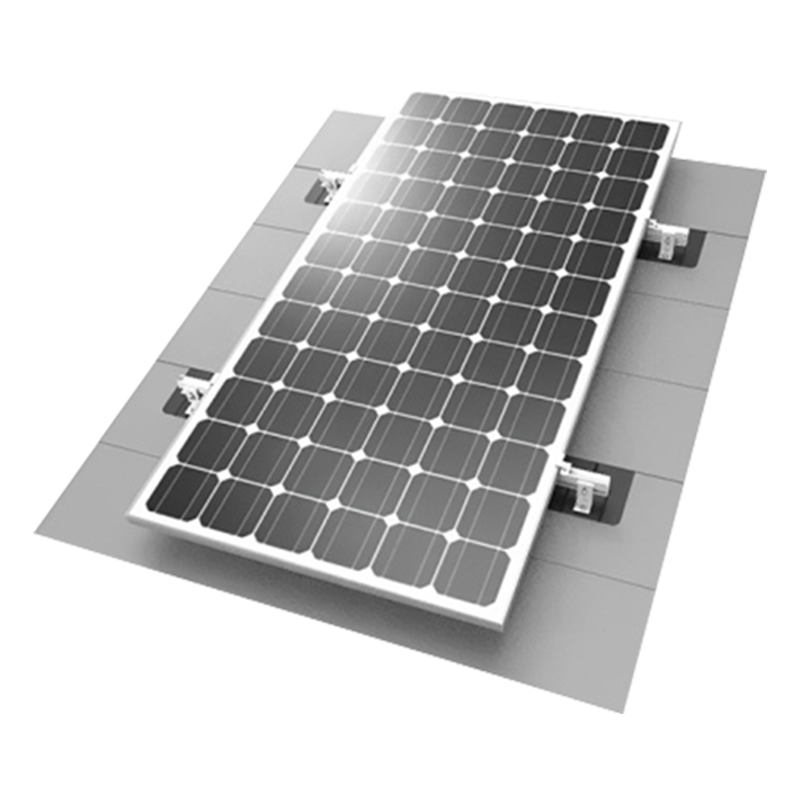
Solar Metal Roof Mounting System
The GTERGY Solar Asphalt Shingle Mounting Systems is design for the asphalt rooftop sheet. Shingle flashing well waterproof and pretend leakage. Simple install, cost effective and durable asphalt roof mount kits popular with
View more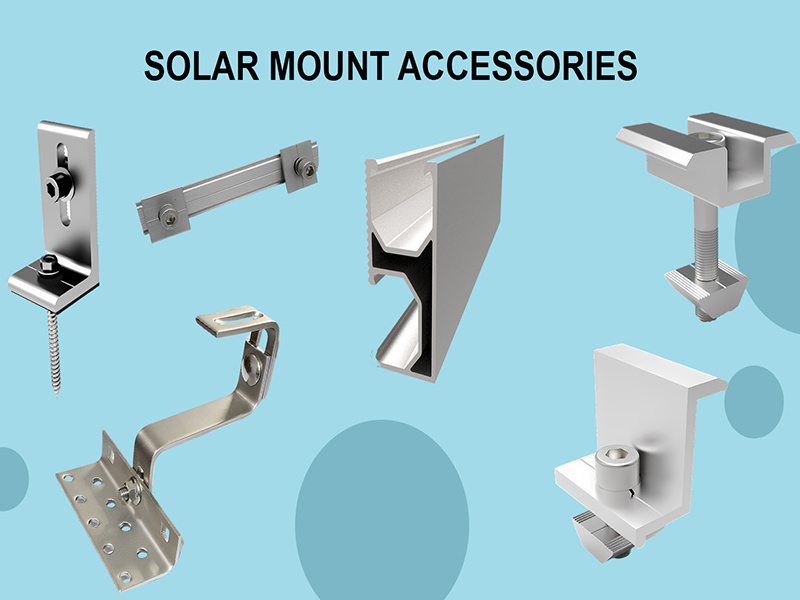
GTERGY offer a serious of Solar Mounting Accessories included solar profiles, solar rail splice, solar panel clamps, solar cable clips, solar grounding management systems clips...etc essential components that complement solar
View more
Solar Tile Roof Mounting System
GTERGY Solar Ground Mounting Bracket is applicable for open field, it can be installed for residential or large commercial scale solar projects. It is designed for quick installation and provide a safe and efficient mounting
View more -

Enhancing Sustainability with Mini Rail Solar Components: A Comprehensive Guide
2026-01-23
Enhancing Sustainability with Mini Rail Solar Components
Table of Contents
- 1. Introduction to Mini Rail Solar Components
- 2. What Are Mini Rail Solar Components?
- 3. Benefits of Mini Rail Solar Components for Sustainability
- 4. Design and Innovation in Mini Rail Solar Components
- 5. Real-World Applications of Mini Rail Solar Components
- 6. Future Trends in Solar Technology and Mini Rail Components
- 7. Challenges in Implementing Mini Rail Solar Systems
- 8. Conclusion
- 9. Frequently Asked Questions (FAQs)
1. Introduction to Mini Rail Solar Components
The global push towards sustainability is reshaping various industries, including renewable energy. Among the innovations driving this change are **mini rail solar components**. These compact structures facilitate the mounting of solar panels, making them an integral part of the solar energy ecosystem. With the growing demand for renewable energy solutions, understanding the role of these components is essential for optimizing solar installations and enhancing overall system efficiency.
2. What Are Mini Rail Solar Components?
Mini rail solar components are specialized mounting systems designed for solar panels. They provide secure support while optimizing the angle and position of solar panels for maximum energy absorption. Constructed from durable materials, these components can withstand various weather conditions, making them ideal for residential, commercial, and industrial applications. Their compact size and innovative design offer several advantages, particularly in urban settings where space may be limited.
Key Features of Mini Rail Solar Components
- **Compact Design**: Mini rail systems occupy less space while maintaining stability and strength.
- **Durability**: Made from high-quality materials that resist corrosion and wear, ensuring longevity.
- **Ease of Installation**: Designed for quick assembly, reducing labor costs and installation time.
- **Versatility**: Suitable for various solar panel sizes and configurations, making them adaptable to different projects.
3. Benefits of Mini Rail Solar Components for Sustainability
Incorporating mini rail solar components into solar energy systems offers multiple sustainability benefits. These components not only enhance the efficiency of solar installations but also contribute to broader environmental goals.
Increased Energy Efficiency
Mini rail systems enable the optimal positioning of solar panels, allowing them to capture more sunlight. This increased energy efficiency translates to greater energy production, essential for meeting renewable energy targets.
Reduced Material Use
The lightweight and compact nature of mini rail components minimizes the amount of material required for installations. This reduction in material usage contributes to lower carbon footprints and waste generation during production and installation.
Longer Lifespan
Durable materials ensure that mini rail solar components have longer lifespans, reducing the need for replacements. This longevity not only saves costs but also decreases waste, further enhancing sustainability.
4. Design and Innovation in Mini Rail Solar Components
The design of mini rail solar components has evolved significantly, integrating advanced technology and engineering principles.
Modular Design
Many mini rail systems feature modular designs that allow for easy expansion or adaptation. This flexibility is particularly beneficial for projects that may require future scaling or retrofitting.
Integration with Smart Technologies
Innovations in smart technology have led to the development of mini rail systems that can integrate with energy management systems. These smart components can optimize energy production and consumption based on real-time data, further enhancing sustainability.
5. Real-World Applications of Mini Rail Solar Components
Mini rail solar components have numerous applications across different sectors, showcasing their versatility and effectiveness.
Residential Solar Installations
In residential setups, mini rail systems allow homeowners to maximize their solar panel efficiency while maintaining aesthetic appeal. Their compact design is suitable for rooftops with limited space, making solar energy accessible to more households.
Commercial and Industrial Use
Businesses are increasingly adopting solar energy solutions, and mini rail components support large-scale installations. By providing robust support for solar arrays, these systems help companies reduce energy costs and meet sustainability goals.
Urban Solar Solutions
In densely populated urban areas, mini rail solar components enable the installation of solar panels on rooftops and other structures, helping cities transition to renewable energy while maximizing space utilization.
6. Future Trends in Solar Technology and Mini Rail Components
As the demand for renewable energy continues to rise, several trends are emerging in the solar industry that will impact mini rail solar components.
Advancements in Materials
The development of lighter and more durable materials will enhance the performance of mini rail systems, making them even more efficient and easier to install.
Increased Customization
Future mini rail solar components may offer more customization options, allowing installers to tailor solutions to specific project needs, including unique building designs and local climate conditions.
Integration with Other Renewable Technologies
The integration of mini rail systems with technologies such as wind turbines and battery storage will create hybrid energy systems, further optimizing energy generation and use.
7. Challenges in Implementing Mini Rail Solar Systems
While mini rail solar components provide numerous benefits, their implementation can face challenges.
Initial Costs
The upfront cost of installing solar systems, including mini rail components, can be a barrier for some consumers and businesses, despite the long-term savings they provide.
Regulatory Hurdles
Local regulations and building codes may impact the installation of solar systems, including mini rail components. Navigating these regulations can sometimes complicate the adoption of renewable energy solutions.
Public Awareness
Educating the public about the benefits and functionalities of mini rail solar components is crucial for driving their adoption. Increased awareness can lead to greater acceptance and demand for these innovative solutions.
8. Conclusion
The integration of **mini rail solar components** into solar energy systems represents a significant advancement in sustainability efforts. Their compact design, ease of installation, and durability make them ideal for a variety of applications, from residential rooftops to large-scale commercial installations. As the world continues to prioritize renewable energy, understanding and utilizing these components will be essential for achieving sustainable energy goals. By embracing innovations in mini rail solar technology, we can work towards a greener, more sustainable future.
9. Frequently Asked Questions (FAQs)
What are mini rail solar components made of?
Mini rail solar components are constructed from durable materials such as aluminum or high-strength steel, designed to withstand environmental factors and ensure longevity.
How do mini rail systems improve solar panel efficiency?
These systems optimize the angle and positioning of solar panels, allowing for maximum sunlight exposure, which leads to increased energy production.
Can mini rail solar components be used in residential settings?
Yes, mini rail solar components are especially suited for residential setups, providing efficient mounting solutions for limited rooftop space.
What are the main advantages of mini rail solar components?
The main advantages include increased energy efficiency, reduced material use, longer lifespans, and ease of installation, all contributing to enhanced sustainability.
What trends are shaping the future of mini rail solar components?
Future trends include advancements in materials, increased customization options, and integration with other renewable technologies, aiming to optimize energy generation and utilization.
Related Information
CONTACT US
mail: info@gtergy.com
Tel:86-5926061498
Fax: 86-5926289378
Add: 399 Jinyuan West 2nd Road, Jimei
District, Xiamen, China
Copyright © 2023 Xiamen Greatest Energy Technology Co., Ltd All rights reserved. Powered by www.300.cn
SAF Coolest v1.3 设置面板 ZASSX-ZOWA-AQSDE-ZSS
无数据提示
Sorry, There Is Currently No Content In The Column!
You can view other columns or return to Home