


-
-
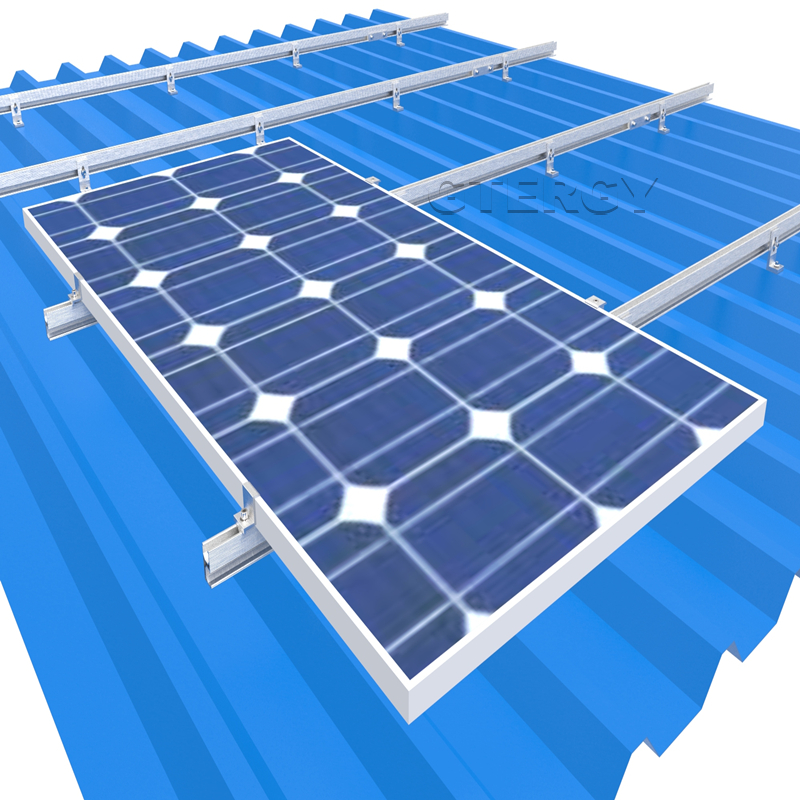
Aluminum Solar Ground Mounting System
Installing solar panel on a metal roof may be the best option for a solar energy system that can make your initial investment more efficient than you think. It considered to be the most suitable type of roof for installing so
View more
Solar Adjustable Mounting System
GTERGY Solar Panel Adjustable Mounting Systems is applicable for tin rooftop and concrete flat open space mounted. It can connect with aluminum profile or directly fasten it with the solar modules. The adjustable mount kits r
View more
Solar Asphalt Roof Mounting System
GTENGY provide a range of quick install and durable mounting accessories for Pitch Tile Solar Roof Mounting Systems. The primary aim of the system is to seamlessly blend solar technology with the existing roof structure, prov
View more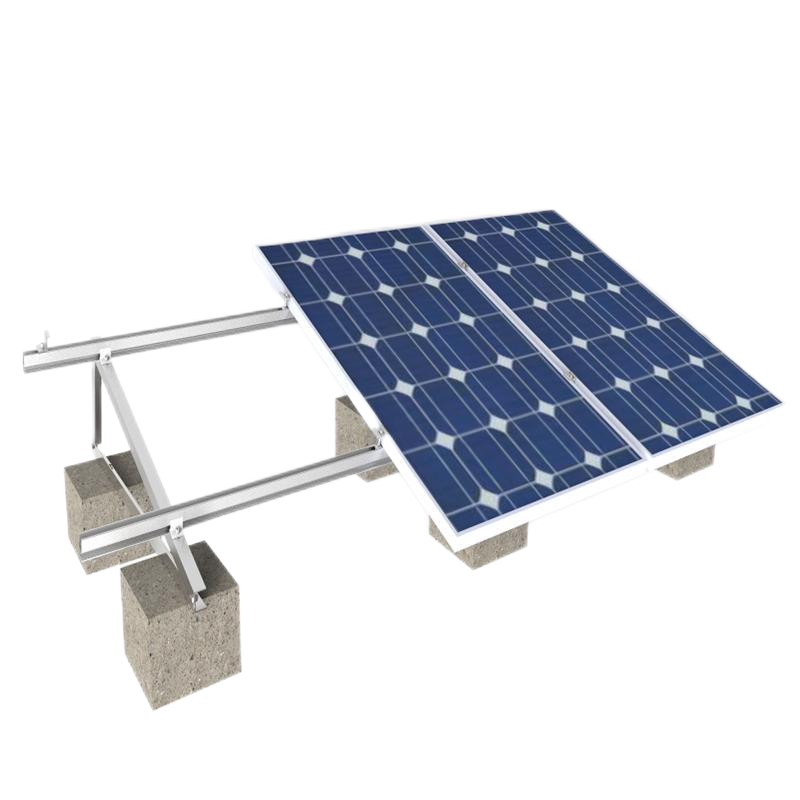
GTERGY Solar Flat Mounting Systems is applicable for concrete flat rooftop or open ground field, it can be divided into 2 kinds of solutions: one is fixed angle, we as per your project angle to custom made; the other is adjus
View more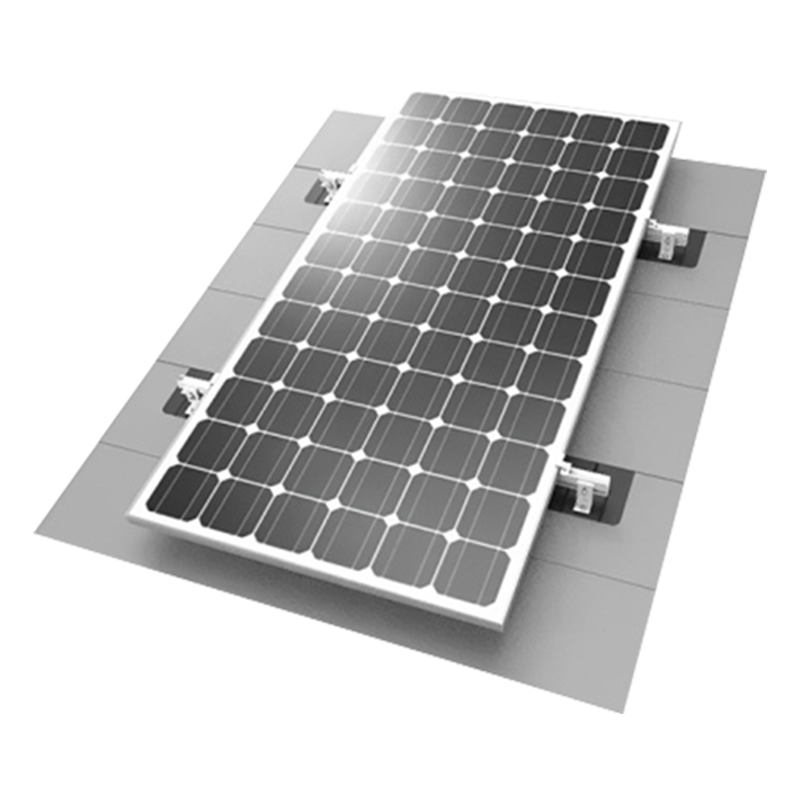
Solar Metal Roof Mounting System
The GTERGY Solar Asphalt Shingle Mounting Systems is design for the asphalt rooftop sheet. Shingle flashing well waterproof and pretend leakage. Simple install, cost effective and durable asphalt roof mount kits popular with
View more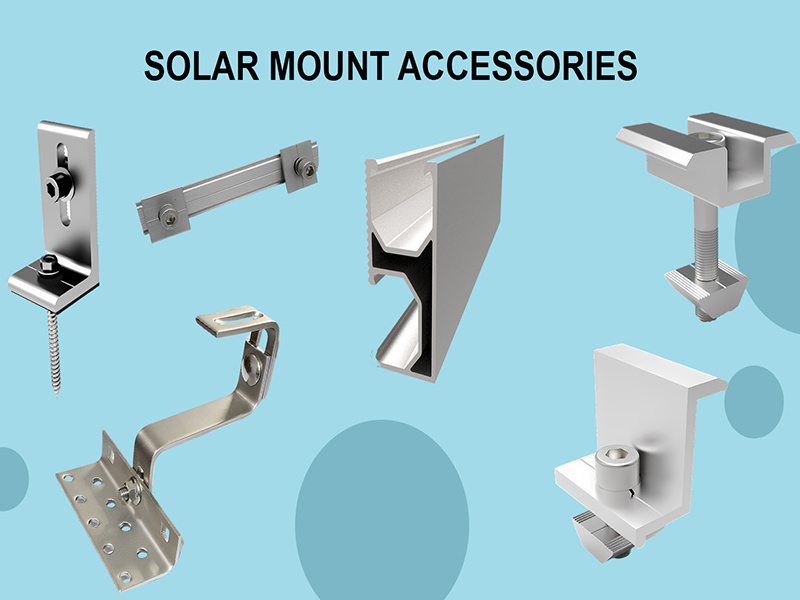
GTERGY offer a serious of Solar Mounting Accessories included solar profiles, solar rail splice, solar panel clamps, solar cable clips, solar grounding management systems clips...etc essential components that complement solar
View more
Solar Tile Roof Mounting System
GTERGY Solar Ground Mounting Bracket is applicable for open field, it can be installed for residential or large commercial scale solar projects. It is designed for quick installation and provide a safe and efficient mounting
View more -

Efficiency Boost: How Solar L Brackets Revolutionize Installation
2026-02-01
Efficiency Boost: How Solar L Brackets Revolutionize Installation
Table of Contents
1. Introduction to Solar L Brackets
2. The Importance of Efficient Solar Panel Installation
3. What Are Solar L Brackets? A Comprehensive Overview
4. Key Benefits of Using Solar L Brackets
4.1 Speeding Up Installation Processes
4.2 Enhancing Structural Stability
4.3 Cost-Effectiveness in the Long Run
5. Comparing Solar L Brackets with Traditional Mounting Solutions
6. Installation Best Practices for Solar L Brackets
6.1 Preparing the Site for Installation
6.2 Step-by-Step Installation Process
7. Common Challenges and Solutions in Using Solar L Brackets
8. Future Trends in Solar Mounting Technologies
9. FAQs about Solar L Brackets
10. Conclusion
1. Introduction to Solar L Brackets
As the demand for renewable energy sources continues to rise, the efficiency of solar panel installations has become a critical focus for both manufacturers and installers. **Solar L brackets**, a pivotal component in solar mounting systems, are designed to enhance the speed and stability of solar panel installations. This article explores how solar L brackets are transforming the installation landscape, offering significant efficiency boosts that can lead to lower costs and a reduced carbon footprint.
2. The Importance of Efficient Solar Panel Installation
Efficient solar panel installation is essential to maximizing energy production and minimizing labor costs. With solar energy becoming a primary energy source for many households and businesses, the ability to install solar panels quickly and effectively is not just an operational necessity but a competitive advantage. The integration of advanced components, such as solar L brackets, directly contributes to achieving these goals.
3. What Are Solar L Brackets? A Comprehensive Overview
Solar L brackets are specialized mounting hardware designed to secure solar panels to various structures, including rooftops and ground-mounted systems. These brackets typically feature a robust L-shaped design, which provides substantial support and stability for solar panels. Made from durable materials such as aluminum or stainless steel, solar L brackets are engineered to withstand harsh environmental conditions while ensuring long-term reliability.
4. Key Benefits of Using Solar L Brackets
4.1 Speeding Up Installation Processes
One of the most significant advantages of solar L brackets is their ability to expedite the installation process. Unlike traditional mounting systems that may require specialized tools and extensive labor, solar L brackets simplify the setup. Their intuitive design allows for quicker assembly, enabling installation teams to complete projects in shorter timeframes.
4.2 Enhancing Structural Stability
Another critical benefit is the enhanced structural stability that solar L brackets provide. These brackets are engineered to distribute the weight of solar panels evenly, reducing the risk of damage due to wind or other environmental factors. By ensuring a secure attachment, solar L brackets contribute to the overall durability of the solar installation.
4.3 Cost-Effectiveness in the Long Run
While the initial investment in solar L brackets may be comparable to traditional mounting systems, their long-term cost-effectiveness cannot be overlooked. **Faster installation times** lead to reduced labor costs, and the durability of these brackets often results in fewer maintenance requirements. This combination ultimately results in significant savings over the lifespan of the solar panel system.
5. Comparing Solar L Brackets with Traditional Mounting Solutions
When comparing solar L brackets to traditional mounting solutions, several key differences emerge. Traditional systems often rely on more complex structures and additional components, which can increase both time and cost during installation. In contrast, solar L brackets offer a streamlined approach that minimizes the number of parts needed, simplifying logistics and reducing the potential for errors during installation.
6. Installation Best Practices for Solar L Brackets
6.1 Preparing the Site for Installation
Before beginning the installation of solar L brackets, it is essential to thoroughly prepare the site. This includes assessing the structural integrity of the mounting surface, ensuring that it can support the additional weight of the solar panels. Proper site preparation also involves cleaning the area to remove any debris that could interfere with the installation process.
6.2 Step-by-Step Installation Process
1. **Mark the Installation Points**: Identify and mark the precise locations where the solar L brackets will be installed, ensuring they align with the solar panel layout.
2. **Attach the L Brackets**: Using the appropriate tools, secure the L brackets to the mounting surface. Ensure that they are level and properly aligned to maintain the optimal angle for solar energy collection.
3. **Install the Solar Panels**: Once the brackets are securely in place, proceed to attach the solar panels to the L brackets, ensuring that the panels are firmly locked in position.
4. **Final Inspection**: Conduct a thorough inspection of the installation to confirm that all components are secure and that the system is ready for operation.
7. Common Challenges and Solutions in Using Solar L Brackets
Despite their advantages, the use of solar L brackets can present certain challenges. One common issue is misalignment during installation, which can affect the efficiency of solar energy collection. To address this, installers should double-check all measurements before securing the brackets. Additionally, it is crucial to choose the right type of L bracket for the specific solar panel system being installed, as this can significantly impact overall performance.
8. Future Trends in Solar Mounting Technologies
As the renewable energy sector continues to evolve, so too do the technologies surrounding solar mounting solutions. Innovations such as adjustable L brackets and integrated tracking systems are on the horizon, promising to enhance the efficiency of solar installations even further. These advancements aim to optimize solar energy collection and offer even greater flexibility for installers.
9. FAQs about Solar L Brackets
**Q1: What materials are solar L brackets made from?**
A1: Solar L brackets are typically made from durable materials such as aluminum or stainless steel, ensuring long-lasting performance in various environmental conditions.
**Q2: Can solar L brackets be used for both rooftop and ground-mounted installations?**
A2: Yes, solar L brackets are versatile and can be used for both rooftop and ground-mounted solar panel installations.
**Q3: How do I know if my roof is suitable for solar L bracket installation?**
A3: A structural assessment should be conducted to ensure your roof can support the weight of the solar panels and brackets, factoring in local building codes.
**Q4: Are solar L brackets adjustable?**
A4: Some solar L brackets are designed to be adjustable, allowing for customization based on the angle of the roof and the desired orientation of the solar panels.
**Q5: What maintenance is required for solar L brackets?**
A5: Regular inspections should be conducted to ensure the brackets remain secure and free from debris. Minimal maintenance is typically required due to their robust materials.
10. Conclusion
Solar L brackets represent a pivotal advancement in the efficient installation of solar panels. Their unique design and numerous benefits—ranging from faster installation times to enhanced structural stability—make them an invaluable asset in the renewable energy sector. As technology continues to evolve, we can anticipate even more innovations that will further streamline the solar installation process, solidifying the role of solar L brackets as a cornerstone of modern solar energy solutions. By embracing these changes, we can help pave the way towards a greener, more sustainable future.
Related Information
CONTACT US
mail: info@gtergy.com
Tel:86-5926061498
Fax: 86-5926289378
Add: 399 Jinyuan West 2nd Road, Jimei
District, Xiamen, China
Copyright © 2023 Xiamen Greatest Energy Technology Co., Ltd All rights reserved. Powered by www.300.cn
SAF Coolest v1.3 设置面板 ZASSX-ZOWA-AQSDE-ZSS
无数据提示
Sorry, There Is Currently No Content In The Column!
You can view other columns or return to Home