


-
-
Aluminum Solar Ground Mounting System
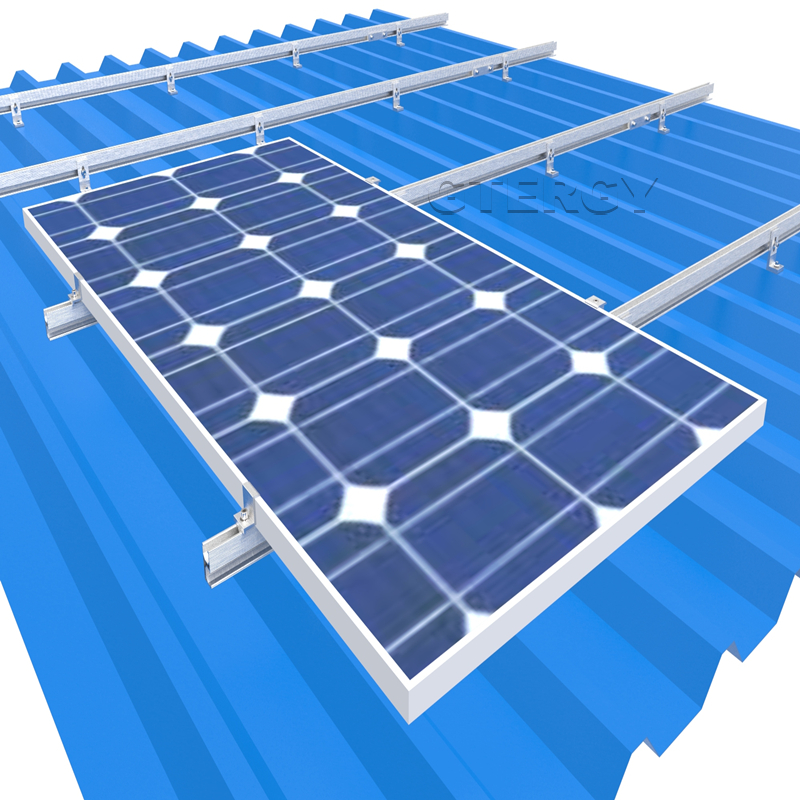
Installing solar panel on a metal roof may be the best option for a solar energy system that can make your initial investment more efficient than you think. It considered to be the most suitable type of roof for installing so
View more
Solar Adjustable Mounting System
GTERGY Solar Panel Adjustable Mounting Systems is applicable for tin rooftop and concrete flat open space mounted. It can connect with aluminum profile or directly fasten it with the solar modules. The adjustable mount kits r
View more
Solar Asphalt Roof Mounting System
GTENGY provide a range of quick install and durable mounting accessories for Pitch Tile Solar Roof Mounting Systems. The primary aim of the system is to seamlessly blend solar technology with the existing roof structure, prov
View more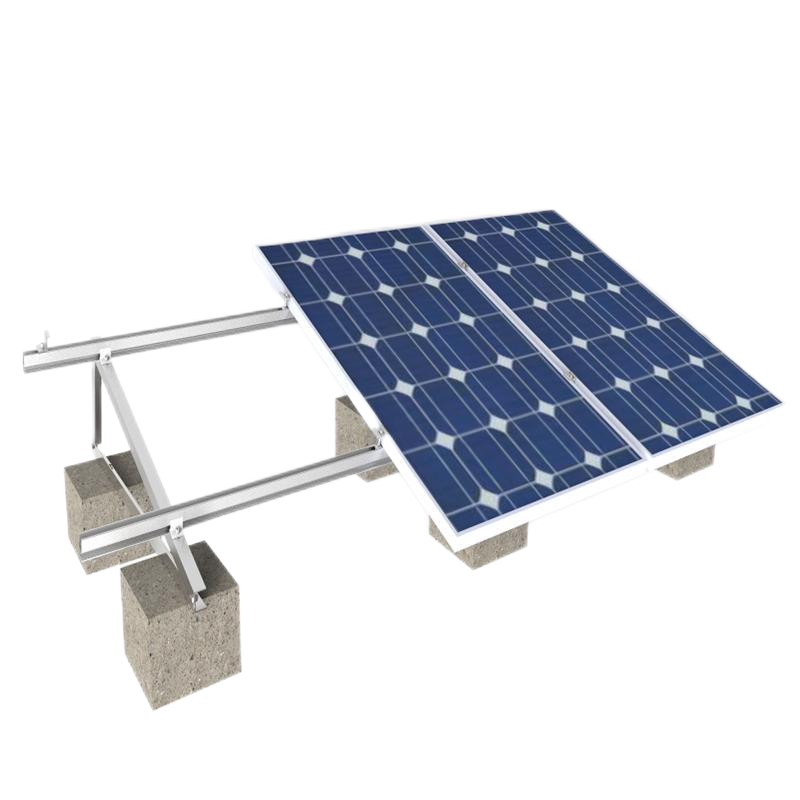
GTERGY Solar Flat Mounting Systems is applicable for concrete flat rooftop or open ground field, it can be divided into 2 kinds of solutions: one is fixed angle, we as per your project angle to custom made; the other is adjus
View more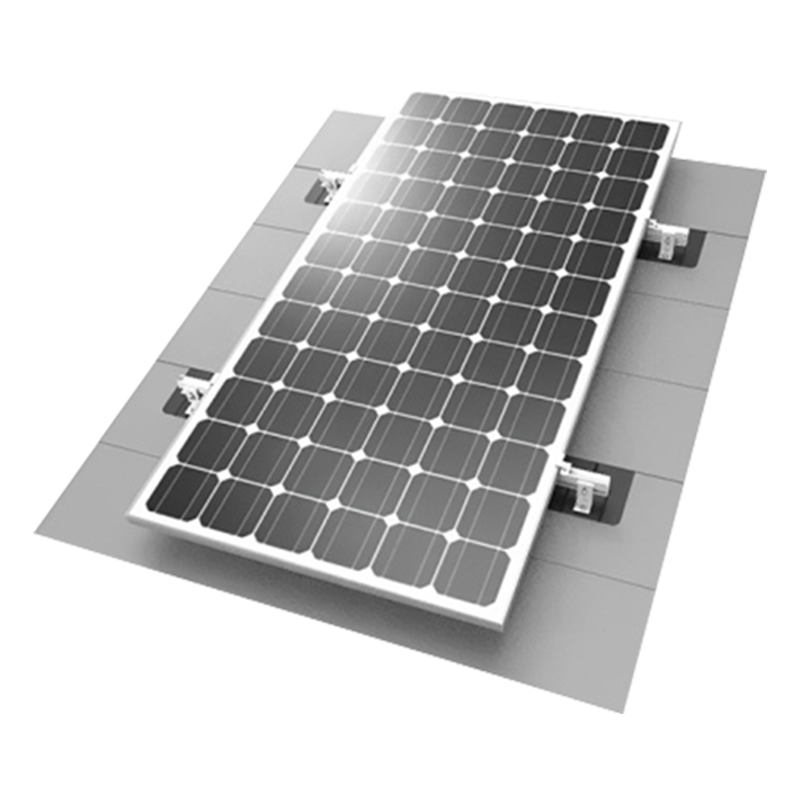
Solar Metal Roof Mounting System
The GTERGY Solar Asphalt Shingle Mounting Systems is design for the asphalt rooftop sheet. Shingle flashing well waterproof and pretend leakage. Simple install, cost effective and durable asphalt roof mount kits popular with
View more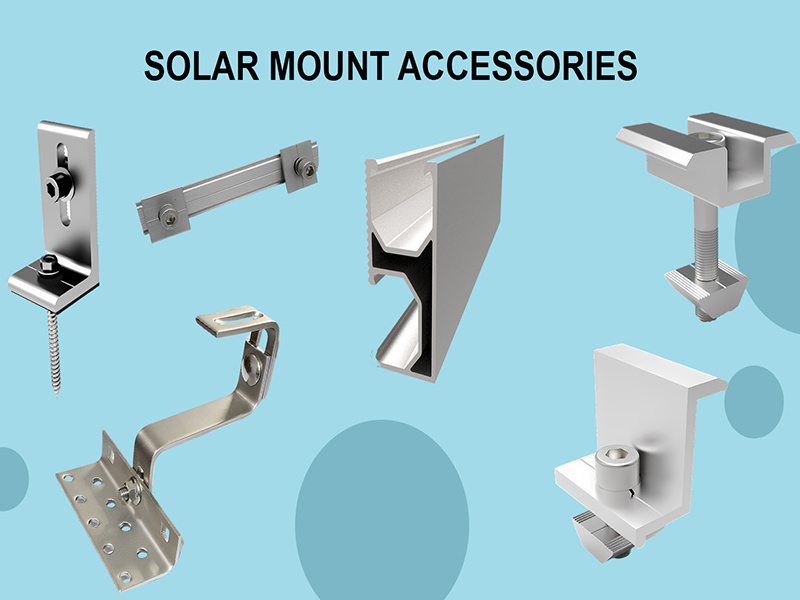
GTERGY offer a serious of Solar Mounting Accessories included solar profiles, solar rail splice, solar panel clamps, solar cable clips, solar grounding management systems clips...etc essential components that complement solar
View more
Solar Tile Roof Mounting System
GTERGY Solar Ground Mounting Bracket is applicable for open field, it can be installed for residential or large commercial scale solar projects. It is designed for quick installation and provide a safe and efficient mounting
View more -

Unleashing the Power of Solar Energy with Secure Panel Clamps: Ensuring Efficiency and Reliability in Solar Installations
2026-02-13
Unleashing the Power of Solar Energy with Secure Panel Clamps
Understanding Solar Energy and Its Importance
Solar energy is rapidly emerging as one of the most sustainable and eco-friendly energy sources available today. As the world grapples with the challenges of climate change and dwindling fossil fuel reserves, solar energy offers a viable alternative that harnesses the power of the sun. By converting sunlight into electricity, solar energy not only reduces greenhouse gas emissions but also decreases dependence on non-renewable energy sources. In this context, the role of secure panel clamps becomes pivotal in ensuring that solar panels operate at peak efficiency.
The Role of Secure Panel Clamps in Solar Installations
Panel clamps are essential components in the solar installation process. They serve several critical functions, including:
1. Stability and Security
Secure panel clamps hold solar panels firmly in place, ensuring they withstand wind, rain, and other environmental factors. This stability is vital for maintaining optimal performance and preventing damage during adverse weather conditions.
2. Enhanced Energy Output
By securing panels at the correct angle and orientation, clamps help maximize sunlight exposure. This optimal positioning is crucial for achieving higher energy output and improving the overall efficiency of the solar energy system.
3. Easy Installation and Maintenance
Modern panel clamps are designed for quick and easy installation, making the setup process smoother for both amateur and professional installers. Furthermore, they often allow for easy access to panels for maintenance, ensuring that any necessary repairs or checks can be carried out without hassle.
Types of Solar Panel Clamps
Understanding the different types of solar panel clamps can help in selecting the right options for specific installations. There are primarily two types of clamps used in solar energy systems:
1. Mid Clamps
Mid clamps are used to secure the panels in between the rails. They provide stability and support to solar panels, preventing any lateral movement that could affect performance. Mid clamps are typically adjustable, allowing for flexibility in installation.
2. End Clamps
End clamps secure the panels at the ends of the array. These clamps are essential for maintaining the structural integrity of the solar panel system. They ensure that the panels are securely attached to the mounting structure, providing additional support against wind uplift.
3. Speciality Clamps
In some cases, specialty clamps might be needed for unique installations, such as on curved or uneven surfaces. These clamps are designed specifically to accommodate various mounting scenarios and ensure a secure fit.
Benefits of Using Secure Panel Clamps
The advantages of incorporating secure panel clamps into solar installations are numerous. Here are some key benefits:
1. Increased Durability
High-quality panel clamps are made from durable materials such as aluminum or stainless steel, which resist corrosion and wear. This durability ensures that the clamps will last for the lifespan of the solar panel system, providing reliable performance.
2. Cost-Effectiveness
Investing in secure panel clamps can lead to long-term savings. By ensuring the proper installation and maintenance of solar panels, these clamps help avoid costly repairs and replacements in the future.
3. Improved Aesthetics
Modern panel clamps are designed to be discreet and visually appealing. This can enhance the overall appearance of solar installations, which is particularly important for residential properties where aesthetics might be a concern.
Installation Process of Solar Panel Clamps
Installing solar panel clamps is a straightforward process, but it requires precision and care. Here is a step-by-step guide:
1. Preparation
Before installation begins, ensure that the mounting structure is clean and free from debris. Gather all necessary tools, which typically include a wrench, screwdriver, and level.
2. Positioning the Solar Panels
Carefully position the solar panels on the mounting structure, ensuring they are aligned correctly. Use a level to check the angle and orientation for optimal sunlight exposure.
3. Securing the Mid Clamps
Begin by securing the mid clamps in place. Place them at equal intervals between the panels and tighten them securely to avoid any movement.
4. Installing the End Clamps
Next, install the end clamps at both ends of the panel array. Ensure they are tightly secured to maintain the stability of the entire system.
5. Final Checks
Once all clamps are installed, perform a thorough inspection to ensure everything is secure. Check the alignment, tightness of all clamps, and the overall stability of the solar panels.
Maintenance Tips for Solar Panel Clamps
Regular maintenance of solar panel clamps is essential to ensure their longevity and functionality. Here are some tips:
1. Regular Inspections
Periodic inspections should be conducted to check for any signs of wear or damage. Look for loose clamps, corrosion, or any other issues that may compromise the security of the panels.
2. Cleaning
Keep the clamps clean to prevent dirt and debris buildup, which can affect performance. Use a soft cloth and gentle cleaning solution to wipe them down as needed.
3. Check for Rust
For metal clamps, check for rust or corrosion regularly. If any is found, it may be necessary to replace the affected clamps to maintain the integrity of the installation.
FAQs about Secure Panel Clamps and Solar Energy
1. What materials are solar panel clamps typically made from?
Solar panel clamps are usually made from corrosion-resistant materials like aluminum or stainless steel, which provide durability and long-lasting performance.
2. How do I know if my panel clamps are properly installed?
Properly installed panel clamps should hold the solar panels securely in place without movement. A visual inspection can often confirm if they are tight and correctly positioned.
3. Can I install solar panel clamps myself?
Yes, solar panel clamps can be installed by homeowners with basic DIY skills. However, for larger or more complex installations, hiring a professional may be advisable.
4. How often should I inspect my solar panel clamps?
Regular inspections are recommended at least once a year, or after severe weather events, to ensure clamps are secure and functioning properly.
5. What is the lifespan of solar panel clamps?
With proper maintenance, high-quality solar panel clamps can last for the entire lifespan of the solar panels, typically around 25 years.
Conclusion
Secure panel clamps are an integral part of solar energy systems, providing the stability and reliability necessary for optimal performance. By understanding their role, types, benefits, installation processes, and maintenance tips, users can ensure their solar energy systems function efficiently and effectively. Investing in high-quality panel clamps not only enhances energy output but also contributes to the longevity of the solar installation, making it a smart choice for anyone looking to harness the power of solar energy. Embracing this technology can lead to significant savings, environmental benefits, and a more sustainable future.
Related Information
CONTACT US
mail: info@gtergy.com
Tel:86-5926061498
Fax: 86-5926289378
Add: 399 Jinyuan West 2nd Road, Jimei
District, Xiamen, China
Copyright © 2023 Xiamen Greatest Energy Technology Co., Ltd All rights reserved. Powered by www.300.cn
SAF Coolest v1.3 设置面板 ZASSX-ZOWA-AQSDE-ZSS
无数据提示
Sorry, There Is Currently No Content In The Column!
You can view other columns or return to Home